
战争影响

Search documents
战争爆发以来,伊朗平均每天卖油能多赚2400万美元
财联社· 2026-03-27 05:36
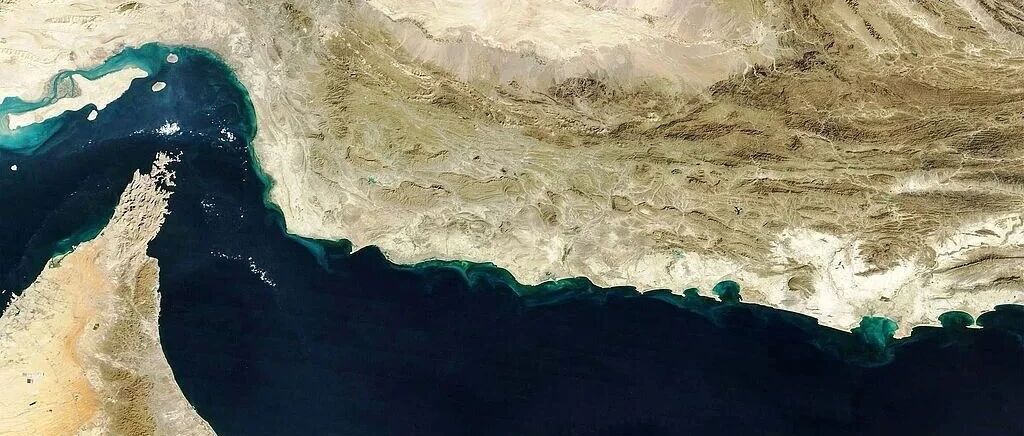
Core Viewpoint - Iran has significantly increased its oil revenue since the onset of the US-Iran conflict, earning millions daily from oil sales, primarily due to its unique position as the only major oil exporter in the Middle East able to utilize the Strait of Hormuz [1][2]. Group 1: Oil Revenue and Export Dynamics - Iran's oil exports have remained stable at approximately 1.6 million barrels per day, consistent with pre-war levels, despite the ongoing conflict [2][3]. - The revenue from Iranian Light crude oil sales has risen to about $139 million per day in March, up from $115 million in February, indicating an increase of approximately $24 million daily since the conflict began [3]. - The price discount of Iranian Light crude compared to Brent crude has narrowed to $2.10 per barrel, the lowest in nearly a year, compared to over $10 before the conflict [3]. Group 2: Infrastructure and Export Facilities - The key oil export hub of Khark Island has not been targeted by US strikes, allowing Iran to continue loading tankers and exporting oil [4]. - Satellite imagery indicates a consistent presence of Very Large Crude Carriers (VLCCs) at Khark Island, with an increase in loading activities observed in March [4]. - Iran has also begun exporting oil from the Jask terminal, which has seen limited activity since its opening in 2021, with only five vessels loaded prior to recent developments [5]. Group 3: US Policy and Market Impact - Recent US policy changes have allowed for the sale of Iranian oil and products, which may have contributed to rising prices and reduced discounts compared to Brent crude [5]. - The US has extended the deadline for potential strikes on Iranian energy infrastructure, indicating a temporary easing of tensions [5].

现场直击丨在动荡与秩序的夹缝中——委内瑞拉首都街头见闻
Xin Hua She· 2026-01-05 05:49
Group 1 - The article highlights the impact of recent bombings in Caracas, Venezuela, leading to a sense of fear and disruption among the population [1][2] - Many shops are closed, and there is a significant decrease in vehicle traffic on the streets, indicating a state of unease [1] - Supermarkets are experiencing long queues as residents struggle to purchase essential goods, with cash being the only accepted payment method due to infrastructure damage [1][3] Group 2 - The situation has led to mixed emotions among citizens, with expressions of anger towards the violence and a desire for stability [2][3] - Despite the chaos, some individuals remain calm and rational, indicating a level of resilience among the population [3] - The availability of basic food items in supermarkets is relatively stable, although fresh produce is in short supply, reflecting ongoing supply chain challenges [3]