战争赔款

Search documents
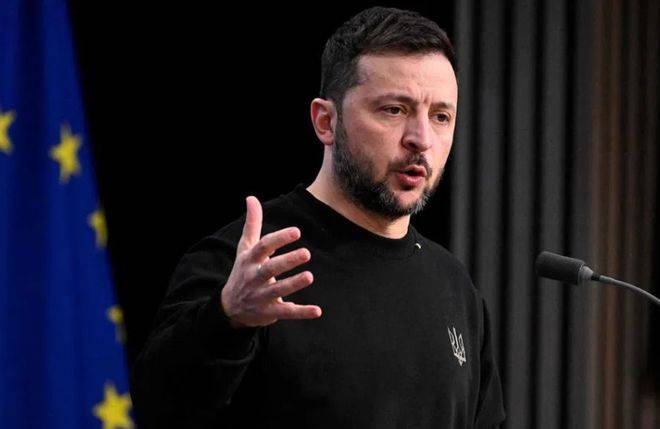
泽连斯基告诉欧洲:乌克兰不会偿还900亿欧元贷款!
Sou Hu Cai Jing· 2025-12-29 08:12
在最近的欧盟峰会上,由于内部存在严重分歧,欧盟最终决定为继续支持乌克兰的战争,从自己的预算 中划拨900亿欧元作为贷款来援助乌克兰。由于这笔钱是贷款,意味着乌克兰未来需要偿还。然而,乌 克兰总统泽连斯基似乎并不打算偿还这笔巨额贷款。根据军事事务网站的报道,俄罗斯外交部发言人扎 哈罗娃透露,泽连斯基已经明确告诉欧盟,乌克兰不会偿还这笔钱,除非俄罗斯先对乌克兰造成的经济 损失进行赔偿。 要让俄罗斯赔偿,这显然很难实现。通常来说,赔款是由战败国承担的,但目前俄罗斯并没有战败,反 而在战场上逐步推进,反倒是乌克兰的军队在后退。更重要的是,从历史经验来看,俄国人主动支付赔 款的例子非常罕见,根本不是他们的传统。例如,在日俄战争结束后,胜利的日本要求俄罗斯赔偿,并 开出了一个高额的赔款数字。然而,尽管俄罗斯在战争中失败,他们始终没有支付赔款,并且强硬地表 示,如果日本想要赔偿,可以继续打下去,最终日本并未从俄罗斯那里得到一分钱。 因此,无论从哪个角度来看,泽连斯基的言论都显得像是在找借口不还款。扎哈罗娃也指出,大家都很 清楚,泽连斯基所期待的赔偿根本不可能实现。不过,估计欧盟早已预料到这一点。即使乌克兰在未来 承诺偿还这 ...

欧盟外长放话:如果不赔偿乌克兰损失,俄罗斯别想拿回2100亿欧元
Sou Hu Cai Jing· 2025-09-03 03:11
Core Viewpoint - The European financial system is increasingly becoming a political tool, with the EU's intention to use frozen Russian central bank assets to address Ukraine's fiscal needs highlighting strategic anxieties and policy dilemmas in the ongoing Russia-Ukraine conflict [1][3]. Group 1: Financial Implications - The EU has frozen €210 billion of Russian central bank assets since the onset of the conflict, with €183 billion of core assets managed by Euroclear in Brussels [3]. - The European Policy Research Center estimates that Ukraine's fiscal deficit will exceed €8 billion by 2026, making the frozen Russian assets a potential "ready-made ATM" for funding [3]. Group 2: Legal and Systemic Risks - The unilateral freezing of a sovereign nation's central bank reserves is considered a dangerous precedent in the international financial order, undermining the principle of private property [4][5]. - The EU's plan to use these assets lacks legal basis and could lead to significant international legal disputes if the war's outcome changes [5][9]. Group 3: Internal EU Divisions - There are notable divisions within the EU regarding the handling of these assets, with warnings from Belgian and Hungarian officials about the potential destabilization of the global financial system [11]. - The potential for capital flight and currency volatility could exceed the current fiscal crisis if emerging market countries withdraw from the European financial system [11]. Group 4: Strategic Gamble - The EU's decision to target frozen assets reflects a desperate financial situation and urgent funding needs for Ukraine, but it risks catastrophic consequences for the EU's financial credibility [11]. - The situation is likened to a modern "Trojan Horse," where the EU may sacrifice its long-term financial stability for short-term tactical gains in supporting Ukraine [11].