战争险

Search documents
战争险对中东航运意味着什么
2026-03-20 02:27
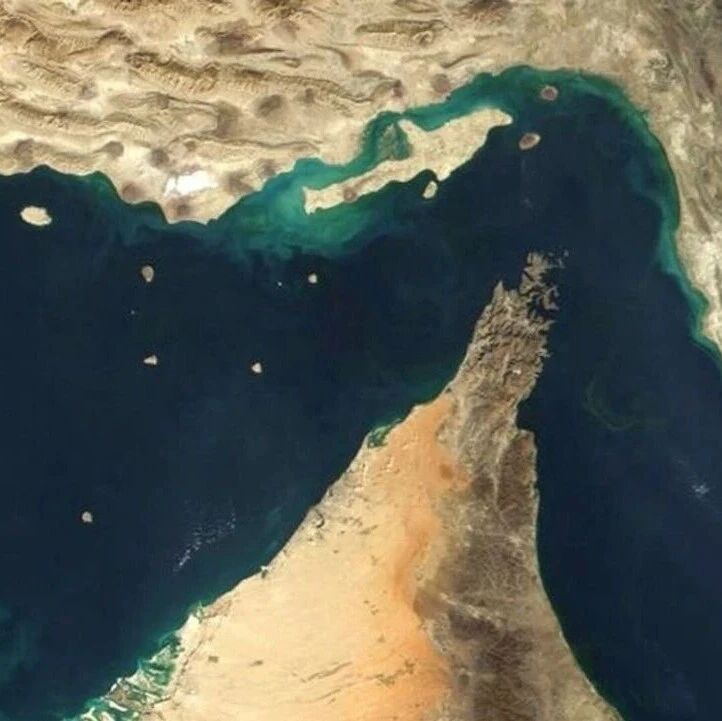
Summary of Key Points from Conference Call on Maritime Insurance and the Situation in the Strait of Hormuz Industry Overview - The conference call focuses on the maritime insurance industry, particularly in relation to the ongoing tensions in the Strait of Hormuz, a critical shipping route for global oil and gas trade [1][2][3]. Core Insights and Arguments - **Traffic Disruption**: The volume of vessels passing through the Strait of Hormuz has plummeted by approximately 97% to 98%, with over 1,000 ships currently stranded, of which more than 40% are oil tankers [1][2]. - **Impact on Oil Prices**: The blockade has led to a significant increase in global oil prices and supply chain costs, with potential ripple effects on other commodity prices [2]. - **High-Risk Area Designation**: The Joint War Committee (JWC) has expanded the high-risk area to include regions extending to longitude 59-60 degrees, covering Oman and parts of the Indian Ocean and Red Sea [1][3][4]. - **Insurance Adjustments**: War risk insurance rates for Chinese vessels have decreased from 3% to around 0.5% as tensions eased, while vessels associated with the U.S. and Israel face high risks and are largely uninsurable [1][14]. - **Mandatory Security Measures**: Ships navigating high-risk areas must have three armed security personnel or purchase a $5 million Kidnap and Ransom insurance policy, and must report to UKMTO and MSCHOA [1][12][13]. Additional Important Content - **Insurance Market Dynamics**: The insurance market is heavily reliant on Lloyd's for reinsurance, and there is a push for domestic insurers in China to achieve greater independence in this sector [1][14]. - **Risk Assessment Procedures**: The JWC employs a four-stage process for assessing and updating high-risk areas, including intelligence gathering, risk modeling, market consultation, and final publication of the updated list [10]. - **Historical Context of War Risk Insurance**: The evolution of war risk insurance has been shaped by historical conflicts, leading to the establishment of specific clauses that separate war risks from standard marine insurance [5][7]. - **Current Risk Levels for Chinese Vessels**: Chinese vessels are perceived to have a lower risk profile due to diplomatic channels and identification practices that indicate a Chinese crew, which helps mitigate risks in high-risk areas [18][19]. Conclusion - The ongoing situation in the Strait of Hormuz has profound implications for maritime insurance, global oil prices, and shipping operations. The JWC's role in defining high-risk areas and the dynamic nature of insurance rates reflect the complexities of navigating these geopolitical tensions [1][2][3][4][10].
霍尔木兹海峡通没通,保险公司最清楚
凤凰网财经· 2026-03-11 10:39
Core Viewpoint - The article discusses the significant impact of geopolitical tensions in the Persian Gulf on maritime insurance, highlighting a crisis where traditional risk coverage has been severely compromised due to escalating war risks [4][5][6]. Group 1: Insurance Market Response - The International Group of P&I Clubs collectively terminated war risk coverage for vessels in Iranian waters and the Persian Gulf, affecting approximately 90% of global ocean-going vessels [4][5]. - The London Joint War Committee updated its exclusion list to classify Bahrain, Kuwait, Qatar, Djibouti, and Oman as high-risk areas, prompting similar adjustments from the China Shipowners Mutual Assurance Association [4][5]. - The withdrawal of coverage has left shipowners in a precarious position, as commercial insurers may either significantly raise premiums or refuse coverage altogether, leading to a state of "naked" operation for many vessels [5][6]. Group 2: Financial Implications - The cost of war risk insurance has surged, with rates for specialized war insurance now reaching 3% of the vessel's value, up from 0.25%, making it prohibitively expensive for many shipping companies [6][7]. - For instance, a super tanker valued at approximately $200 million to $300 million could face insurance premiums exceeding $7.5 million per voyage, necessitating frequent renewals [6][7]. - The current environment has led to a situation where conventional insurance cannot cover the heightened risks, necessitating the use of specialized war insurance, which is significantly more expensive [7]. Group 3: Strategic Recommendations - Experts suggest that shipowners should consider avoiding transit through the Strait of Hormuz or rerouting around the Cape of Good Hope, despite the increased time and costs involved, as a means to mitigate risk [6][9]. - The U.S. International Development Finance Corporation has a reinsurance mechanism covering about $20 billion in losses, but its scope is limited and does not provide a comprehensive solution for the broader market [8][9]. - The prevailing advice for commercial shipping companies is to suspend operations in high-risk areas until the geopolitical situation stabilizes, as this remains the most rational business decision [9].