房地产分析框架

Search documents
未来房价还会不会涨?
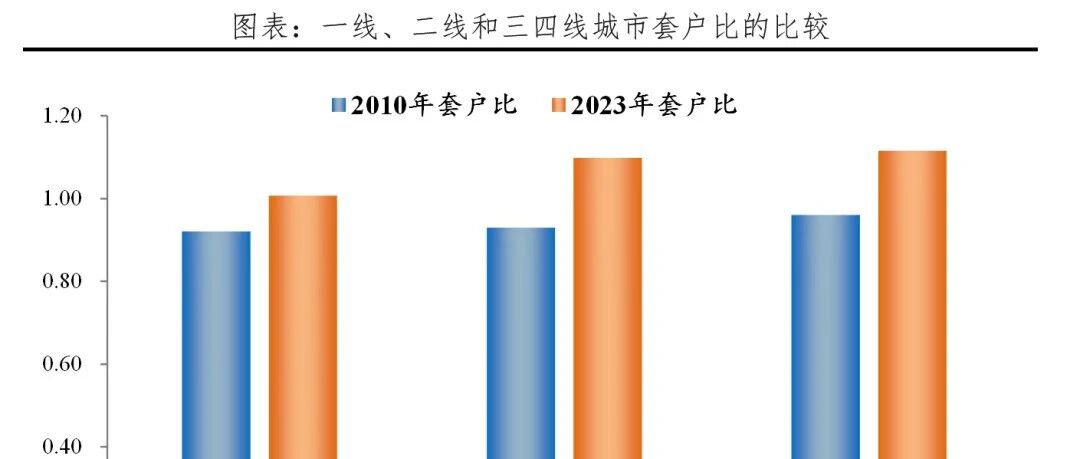
泽平宏观· 2026-03-07 16:00
Core Viewpoint - The article argues that the current polarized views on real estate prices are both incorrect, suggesting that while the era of universal price increases is over, there are still opportunities in specific urban areas [2]. Group 1: Housing Supply and Demand - China's urban housing has shifted from severe shortage to overall balance, with the number of urban housing units increasing from 31 million in 1978 to over 370 million today [3]. - The housing unit-to-household ratio has risen from 0.8 to 1.07, indicating a transition from a shortage to a basic balance, but this balance is static and structural issues remain [3]. Group 2: Determinants of Housing Prices - Long-term housing prices are influenced by population dynamics. The peak of China's labor force population occurred in 2013, declining from 1 billion to 960 million, with the proportion of the labor force in total population dropping from 74.5% to 68.3% [5]. - The aging population is a significant factor, with the proportion of those aged 65 and above expected to rise to 15.6% in 2024, and potentially over 20% by 2032 [5]. Group 3: Future Housing Market Trends - The era of rising housing prices driven by population growth has ended, but urbanization continues, with populations concentrating in metropolitan areas [7]. - Cities experiencing population inflow, such as Shenzhen and Hangzhou, may see housing demand and price stability, while cities with population outflow may face long-term price declines [7]. - The conclusion is that the era of large-scale real estate development is over, and the future will be characterized by significant regional differentiation in housing prices [7].