
人口与房价关系

Search documents
未来房价还会不会涨?
泽平宏观· 2026-03-07 16:00
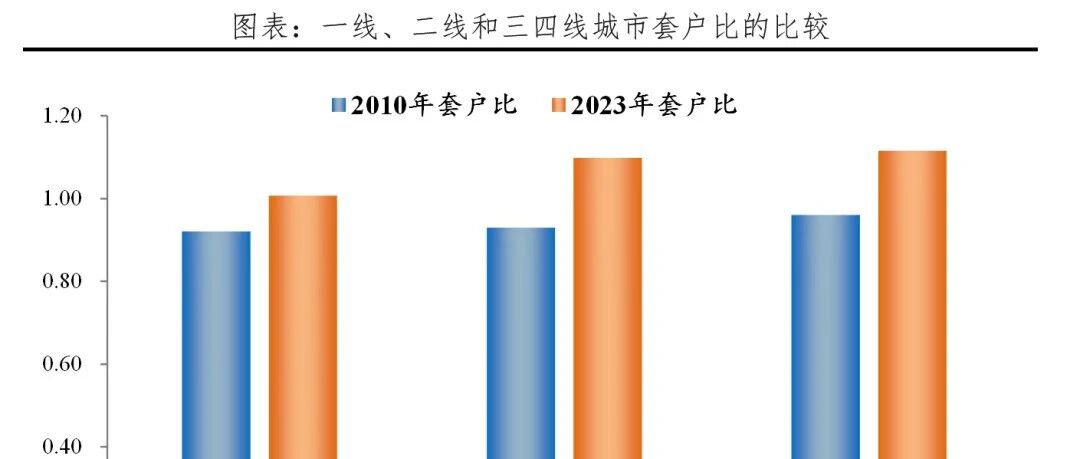
Core Viewpoint - The article argues that the current polarized views on real estate prices are both incorrect, suggesting that while the era of universal price increases is over, there are still opportunities in specific urban areas [2]. Group 1: Housing Supply and Demand - China's urban housing has shifted from severe shortage to overall balance, with the number of urban housing units increasing from 31 million in 1978 to over 370 million today [3]. - The housing unit-to-household ratio has risen from 0.8 to 1.07, indicating a transition from a shortage to a basic balance, but this balance is static and structural issues remain [3]. Group 2: Determinants of Housing Prices - Long-term housing prices are influenced by population dynamics. The peak of China's labor force population occurred in 2013, declining from 1 billion to 960 million, with the proportion of the labor force in total population dropping from 74.5% to 68.3% [5]. - The aging population is a significant factor, with the proportion of those aged 65 and above expected to rise to 15.6% in 2024, and potentially over 20% by 2032 [5]. Group 3: Future Housing Market Trends - The era of rising housing prices driven by population growth has ended, but urbanization continues, with populations concentrating in metropolitan areas [7]. - Cities experiencing population inflow, such as Shenzhen and Hangzhou, may see housing demand and price stability, while cities with population outflow may face long-term price declines [7]. - The conclusion is that the era of large-scale real estate development is over, and the future will be characterized by significant regional differentiation in housing prices [7].

孟晓苏|人口下降,房价反涨:日本房地产“悖论”对我国的启示
Xin Lang Zheng Quan· 2025-10-09 06:55
Group 1: Japan's Population Trends - Japan's population has been declining for 16 consecutive years, with a record decrease of 908,000 people in 2024, representing a 0.75% drop [2] - The aging population is significant, with 29.58% of the population aged 65 and older, while the working-age population (ages 15-64) accounts for 59.04% [2] - Tokyo is the only region in Japan experiencing population growth, with an increase of 0.13%, highlighting urban migration trends [2] Group 2: Japan's Real Estate Market - Tokyo's core area real estate prices have risen from approximately 350,000 yen per square meter in 1995 to over 800,000 yen per square meter in 2020 [3] - The average price of newly built apartments in Japan reached 59.11 million yen in 2023, marking a 15.4% increase and a record high for seven consecutive years [3] - In the first half of 2025, the average price of newly built apartments in Kyoto was about 42 million yen, while the average price in the Tokyo metropolitan area reached 75.66 million yen [3] Group 3: Paradox of Population Decline and Rising Prices - The concentration of population in major cities, particularly Tokyo, is a key factor in rising real estate prices despite overall population decline [4] - Rising costs, including labor and construction materials, contribute to increasing property prices [4] - International investment demand, especially for high-end properties in Tokyo, is another driving force behind the price increases [4] Group 4: Comparison with China - China's declining birth rate is not the sole factor affecting real estate prices; there are multiple influences at play [5] - Millions of rural residents are migrating to cities, creating significant housing demand, with urbanization rates reaching 67% in 2024 [5] - The existing urban population has a strong demand for improved housing, driven by rising living standards [6] Group 5: Critique of Simplistic Views - The notion that declining birth rates will inevitably lead to falling real estate prices is overly simplistic, as prices are influenced by various factors including economic development and urbanization [7] - Japan's experience shows that external population inflows and economic stability can sustain real estate prices despite declining birth rates [7] - China's large population base and ongoing urbanization suggest that concerns about a lack of demographic dividend are premature [7] Group 6: Future Outlook for China's Real Estate - Increased construction of affordable housing and adjustments in credit policies are expected to stabilize the real estate market [8] - Early indicators suggest potential improvements in birth rates, with a 9.3% increase in marriage registrations in early 2025 [8] - Historical evidence from Japan and other countries indicates that changes in population structure do not straightforwardly lead to declining real estate prices, suggesting a resilient future for China's housing market [8]