房地产区域分化

Search documents
未来房价还会不会涨?
泽平宏观· 2026-03-07 16:00
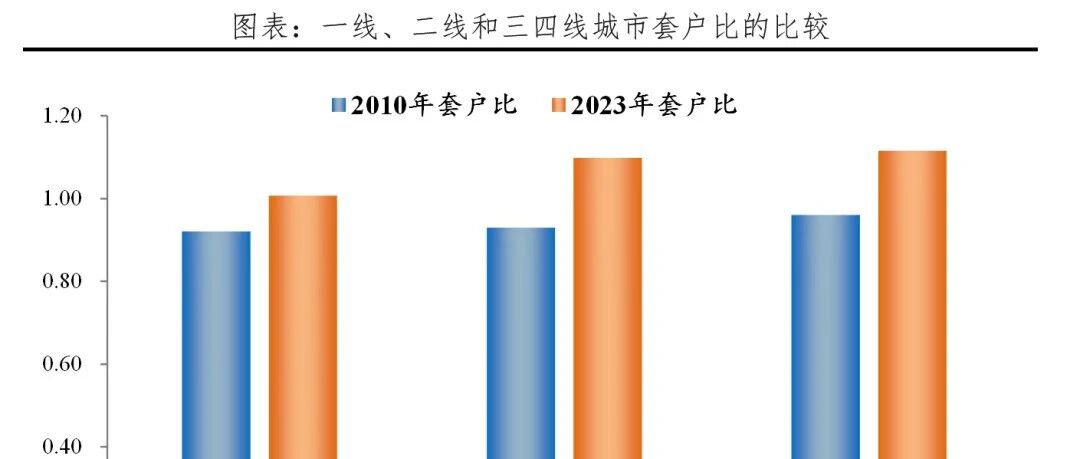
Core Viewpoint - The article argues that the current polarized views on real estate prices are both incorrect, suggesting that while the era of universal price increases is over, there are still opportunities in specific urban areas [2]. Group 1: Housing Supply and Demand - China's urban housing has shifted from severe shortage to overall balance, with the number of urban housing units increasing from 31 million in 1978 to over 370 million today [3]. - The housing unit-to-household ratio has risen from 0.8 to 1.07, indicating a transition from a shortage to a basic balance, but this balance is static and structural issues remain [3]. Group 2: Determinants of Housing Prices - Long-term housing prices are influenced by population dynamics. The peak of China's labor force population occurred in 2013, declining from 1 billion to 960 million, with the proportion of the labor force in total population dropping from 74.5% to 68.3% [5]. - The aging population is a significant factor, with the proportion of those aged 65 and above expected to rise to 15.6% in 2024, and potentially over 20% by 2032 [5]. Group 3: Future Housing Market Trends - The era of rising housing prices driven by population growth has ended, but urbanization continues, with populations concentrating in metropolitan areas [7]. - Cities experiencing population inflow, such as Shenzhen and Hangzhou, may see housing demand and price stability, while cities with population outflow may face long-term price declines [7]. - The conclusion is that the era of large-scale real estate development is over, and the future will be characterized by significant regional differentiation in housing prices [7].

曹德旺预言要成真?若不出意外,2026年房地产或将面临3大转折
Xin Lang Cai Jing· 2026-01-25 03:47
Core Viewpoint - The real estate market is transitioning from a period of widespread price increases to a rational adjustment phase, as highlighted by Fuyao Glass founder Cao Dewang's earlier warnings about the risks of real estate investment [1] Group 1: Market Transition - The era of universal price increases in the real estate market has ended, leading to a stable regional differentiation where core cities remain resilient while lower-tier cities face pressure [3][4] - In 2025, new home prices in core areas like Beijing's Haidian and Shanghai's Lujiazui saw a slight increase of 2%-3%, while lower-tier cities experienced a net outflow of 3.12 million people, with inventory turnover periods exceeding 30 months [4] - The demand structure has fundamentally changed, with the demand for quality housing (90-144 square meters) rising to 45%, while lower-tier cities struggle with unsold properties that may require price cuts of 40% to sell [4] Group 2: Rising Holding Costs - Holding costs for real estate are increasing, turning vacant properties into financial burdens for many homeowners, as mortgage rates and maintenance costs rise [5] - Despite a decrease in commercial loan rates, homeowners who purchased at higher rates still face significant interest burdens, with some families spending over 50% of their income on mortgage payments [5] - The introduction of new regulations and taxes, along with a weak rental market, has made it difficult for homeowners to offset costs through rental income, leading to a situation where properties are becoming liabilities rather than assets [5] Group 3: Policy Changes - Real estate policies are shifting from broad stimulation to targeted support, favoring first-time buyers and quality housing, while opportunities for selling non-quality properties are diminishing [6] - New policies include tax rebates for home purchases and incentives for upgrading to better properties, which do not support the non-quality housing market [6] - The number of second-hand homes listed has surpassed 8.5 million, with properties in lower-tier cities taking over 180 days to sell, necessitating price reductions of 10%-20% to attract buyers [6] Group 4: Market Realities - The real estate market is returning to its fundamental purpose of providing housing, as evidenced by a 6.8% decline in national housing sales area and a 9.6% drop in residential sales revenue in 2025 [8] - Homeowners are advised to adopt a strategy of retaining quality properties in core areas while divesting from lower-tier city assets, which are likely to depreciate further [9] - The era of speculative real estate investment is over, and a focus on high-quality living spaces is now essential for maintaining wealth [9]