房屋楼层选择

Search documents
换了三次房才懂:这3个楼层,不好住也不好卖,懂行的人都在悄悄“脱手”
Sou Hu Cai Jing· 2026-01-30 11:42
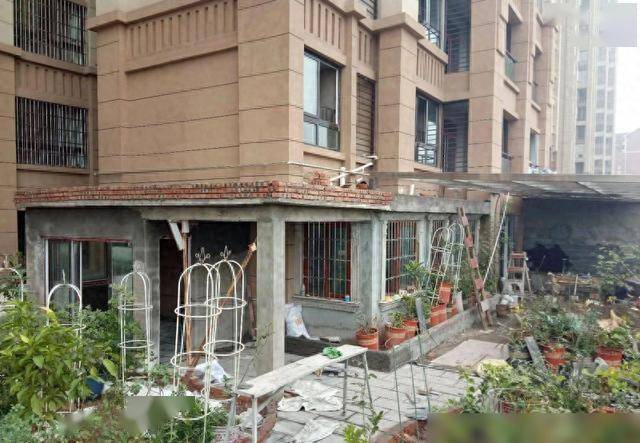
Core Viewpoint - The article discusses the hidden issues associated with different apartment levels, emphasizing that cheaper options often come with significant drawbacks that may not be apparent initially [1][13]. Group 1: Apartment Level Issues - Living directly below equipment layers can lead to persistent low-frequency noise, especially noticeable at night, which can disrupt sleep [1][10]. - Residents in lower levels often experience issues such as mold and water damage due to poor construction, particularly in waistline layers [4][6]. - The next-to-top floors may seem appealing for their views but can suffer from heat and noise from rooftop equipment, as well as potential water leakage problems [7][9]. Group 2: Recommendations for Homebuyers - It is advised to visit potential apartments at different times, especially during rain and at night, to assess noise and odor issues [12]. - Choosing middle floors can provide a balance of light, noise control, and temperature management, making them a safer long-term investment [10][12]. - The article suggests that the initial savings on cheaper apartments may lead to greater long-term inconveniences, highlighting the importance of careful selection [13].

4楼、14楼大胆买,真正不能买的是这3个楼层,买了就是浪费钱
Sou Hu Cai Jing· 2025-06-13 05:16
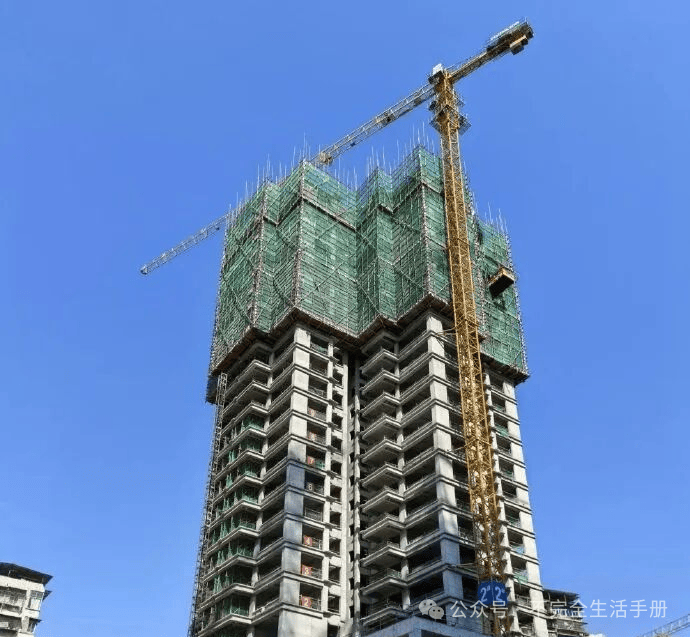
Core Viewpoint - The article discusses the misconceptions surrounding the purchase of apartments on certain floors, particularly those with the number "4," and highlights the real issues associated with other floors such as the top floor, equipment floor, and ground floor [1][4][24]. Group 1: Misconceptions about Floor Numbers - Many people avoid buying apartments on the 4th or 14th floors due to superstitions, believing it will negatively impact their fortune and career [1]. - However, the number "4" can also symbolize positive aspects in Chinese culture, such as peace and prosperity, making these floors viable options for personal residence [4]. Group 2: Issues with Specific Floors - **Top Floor**: Living on the top floor can lead to extreme heat in summer and cold in winter, resulting in higher energy costs for heating and cooling. Additionally, top floors often require frequent waterproofing to prevent leaks [8][9][11]. - **Equipment Floor**: This floor houses essential machinery that operates 24/7, causing noise and vibration disturbances. There are also health concerns related to electromagnetic radiation and potential water leaks from aging equipment [13][16]. - **Ground Floor**: The ground floor is prone to pest issues and high noise levels from outside. It also lacks privacy and poses risks from falling objects from higher floors [18][20][22]. Group 3: Conclusion - The article concludes that rather than avoiding the 4th or 14th floors, buyers should be cautious of the top floor, equipment floor, and ground floor due to their numerous drawbacks, which can lead to significant issues in living conditions [24].
“再穷不买顶层,再傻不买底层”,这6个楼层,住着难受还不好卖
Sou Hu Cai Jing· 2025-03-25 13:49
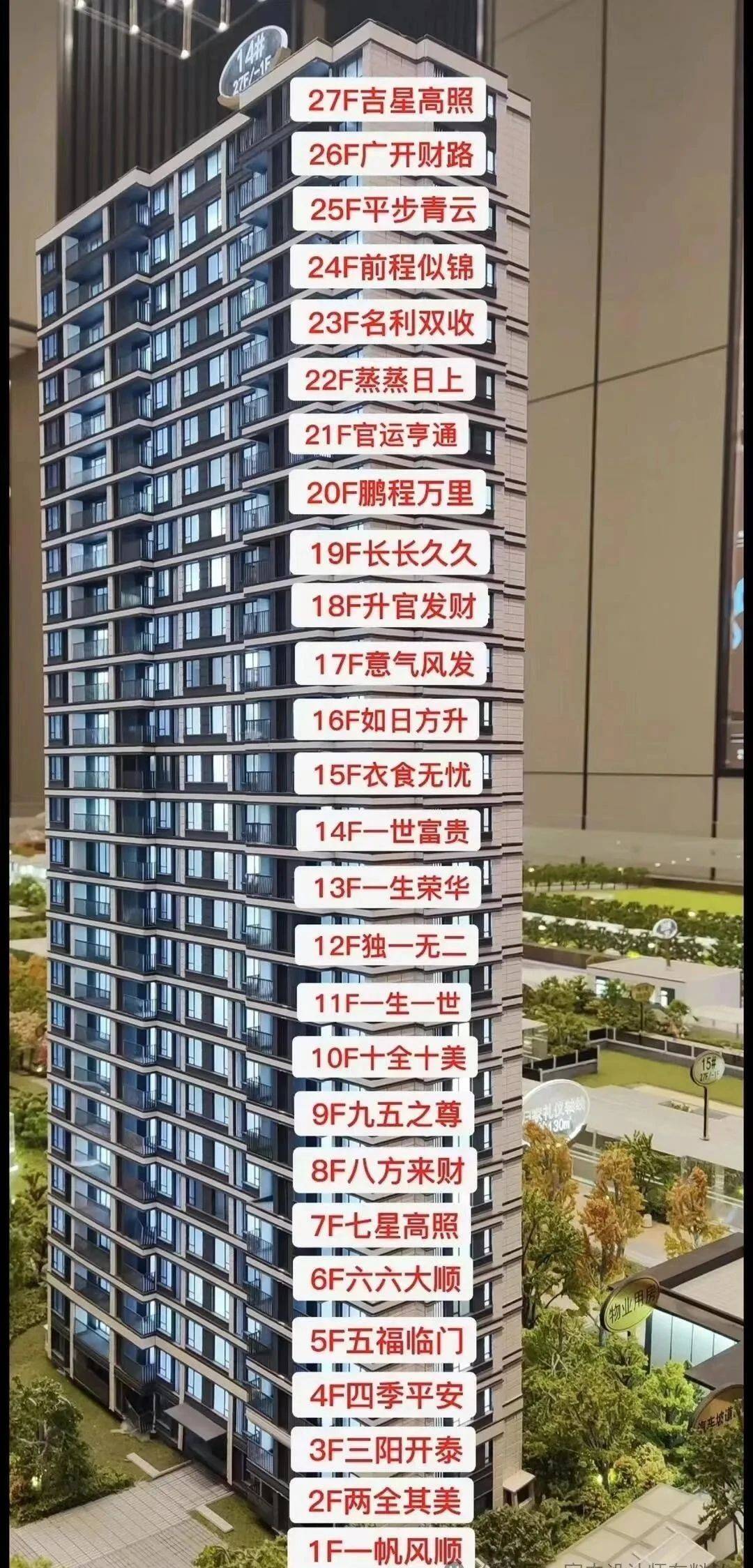
Core Viewpoint - The article emphasizes the importance of selecting the right floor when purchasing a property, highlighting that certain floors can lead to discomfort and difficulties in resale. Group 1: Recommended Floor Choices - Most buyers follow the "2 choose 6 not choose" principle, opting for mid-high floors (10 to 29 floors) in high-rise buildings for better ventilation, lighting, and reduced noise [4][10] - For low-rise buildings, the ideal floors are typically between 5 and 14, which also provide good lighting and ventilation, making them suitable for elderly residents [7] Group 2: Floors to Avoid - The first floor is often too damp and unsanitary, making it less desirable for most buyers [17] - The top floor, while having good ventilation and lighting, is prone to issues like leaks and excessive heat, making it uncomfortable during summer [12][14] - Waistline floors (3-4 floors) may have design flaws leading to moisture and leakage problems, reducing their market value [19][21] - Refuge floors, designed for emergencies, often lack proper sunlight and airflow, making them less safe and comfortable for long-term living [22] - Floors with negative phonetic associations (e.g., 3rd, 4th, 5th, 6th, and 7th floors) may deter buyers due to cultural beliefs about bad luck [23] Group 3: Additional Considerations - Buyers should pay attention to surrounding infrastructure, such as transportation and commercial facilities, as these factors influence property value and liquidity [23] - Understanding the construction quality and warranty policies of new buildings is crucial to avoid future living issues [24][25] - Noise levels should be considered when selecting a floor; higher floors may be preferable near busy areas to minimize noise disturbance [27] - For properties intended for renovation, higher floors are recommended to prevent damage from moisture [28] - Future health and safety concerns, such as fire hazards, should also be taken into account when choosing a floor [29] - Establishing good relationships with neighbors can help mitigate potential conflicts and enhance community safety [30]