邻里关系

Search documents
社区“陌邻”变“友邻”
Xin Lang Cai Jing· 2026-02-25 17:54
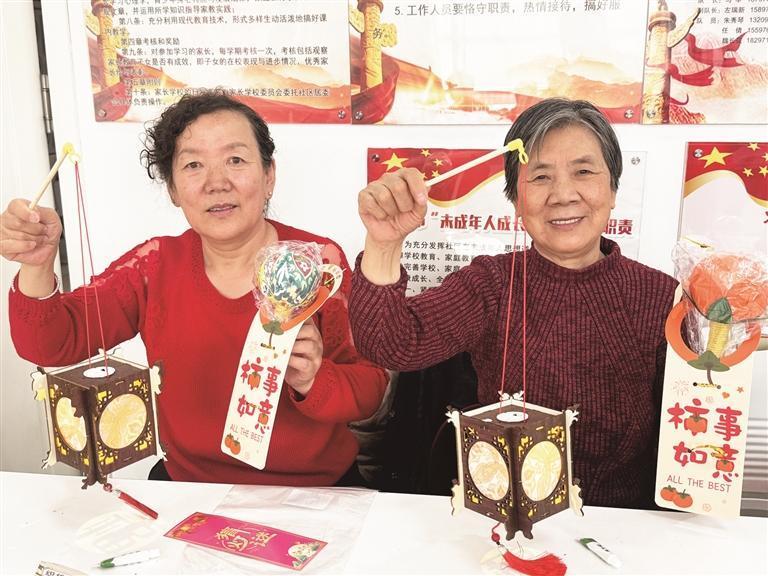
Group 1 - The core idea of the article highlights the community's initiative to strengthen neighborly relationships through traditional lantern-making activities, fostering a sense of belonging among residents [2][3] - The event titled "Crafting Lanterns to Celebrate the Festival, Joyful Songs and Laughter for Lantern Festival" involved over 50 residents participating in making traditional lanterns, which helped bridge gaps between previously unfamiliar neighbors [2] - The community has transformed traditional festivals into neighborly events, enhancing social bonds and promoting cultural appreciation through interactive activities like lantern riddles and sharing food [3] Group 2 - The "Red Neighbor Gathering" brand of community governance emphasizes the importance of resident engagement and cultural activities in building a cohesive community [3] - The community leadership aims to continue using the "Red Neighbor Gathering" project as a core strategy for grassroots governance, focusing on addressing residents' needs and enhancing community warmth [3]

自办“春晚”亮绝活,坊间年味浓
Chang Sha Wan Bao· 2026-02-03 12:31
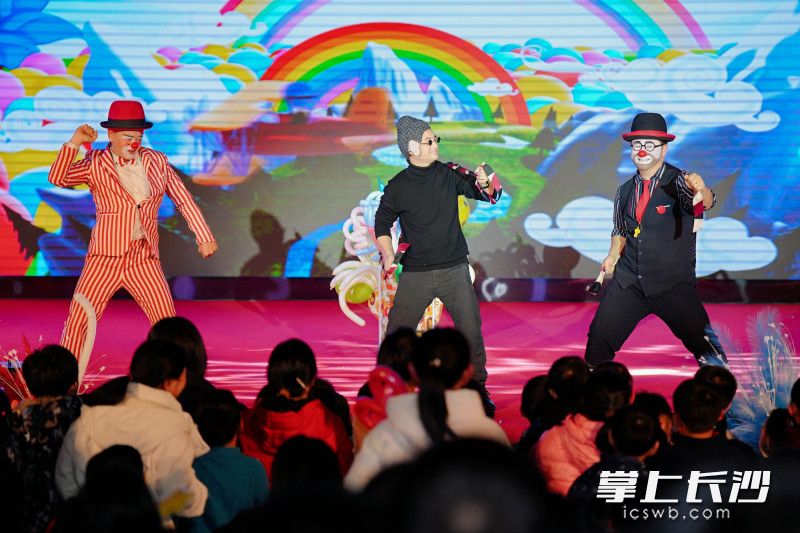
Core Viewpoint - The community "Spring Festival Gala" events organized by developers in Changsha have successfully fostered neighborly relationships and cultural engagement among residents, transforming them from strangers to a close-knit community [1][5][7]. Group 1: Community Engagement - Developers such as China Resources Land and Jinmao have organized multiple community "Spring Festival Gala" events, attracting over a thousand residents who participated in self-directed performances, enhancing neighborhood bonds [1][2]. - The events featured a variety of performances, including music, dance, and drama, showcasing the talents of residents and creating a festive atmosphere [2][5]. Group 2: Cultural Significance - The "Spring Festival Gala" serves not only as entertainment but also as a means to strengthen community ties, with residents collaborating on performances and activities, thus fostering a sense of belonging [5][7]. - The initiative reflects a shift in the role of developers from merely constructing buildings to nurturing community culture and relationships, emphasizing the importance of social engagement in residential areas [7]. Group 3: Resident Participation - The preparation for the performances involved significant collaboration among residents, with many dedicating extensive time to rehearsals, highlighting the community spirit and shared goals [5][6]. - The events have led to increased interactions among neighbors, transforming previously distant relationships into friendly connections, thereby enhancing the overall living experience in the community [5][7].

暖暖腊八节 浓浓邻里情
Xin Lang Cai Jing· 2026-01-26 13:51
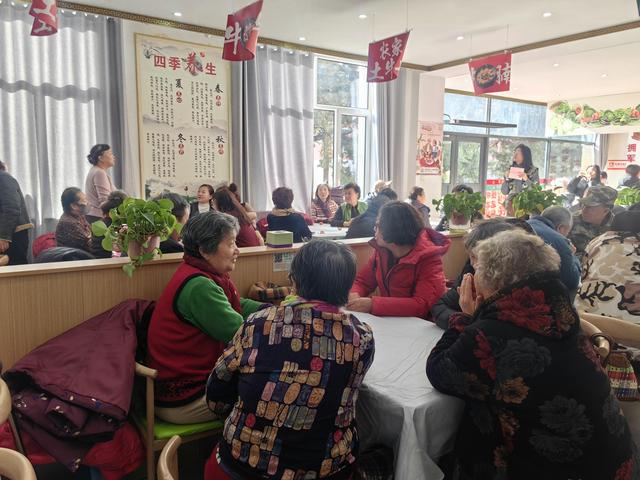
Group 1 - The event titled "Party Building Strengthening Ethnic Unity Celebrating Laba Festival" was held in Hohhot, attracting nearly 80 residents and veterans to celebrate the festival together [2] - Participants engaged in traditional activities such as making Laba porridge and pickling Laba garlic, allowing them to experience the charm of traditional customs firsthand [4] - The event also focused on caring for underprivileged families, with staff delivering warm porridge to residents' homes, promoting community warmth and support [4] Group 2 - The activity served as a platform to promote excellent traditional Chinese culture while strengthening neighborhood relationships [4]
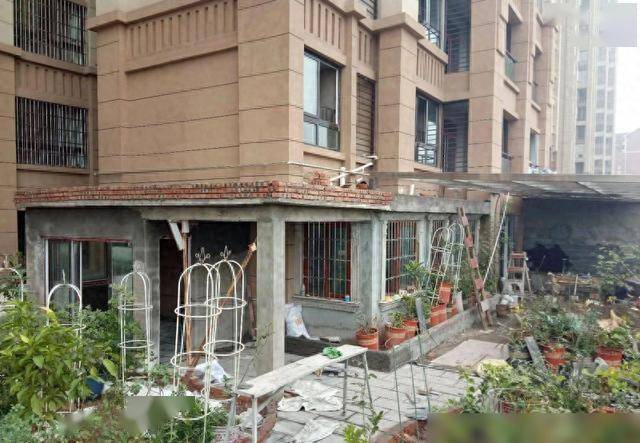
浙江女子买花园二手房开心入住,隔天就后悔了:难怪会把房子卖掉
Sou Hu Cai Jing· 2026-01-24 09:19
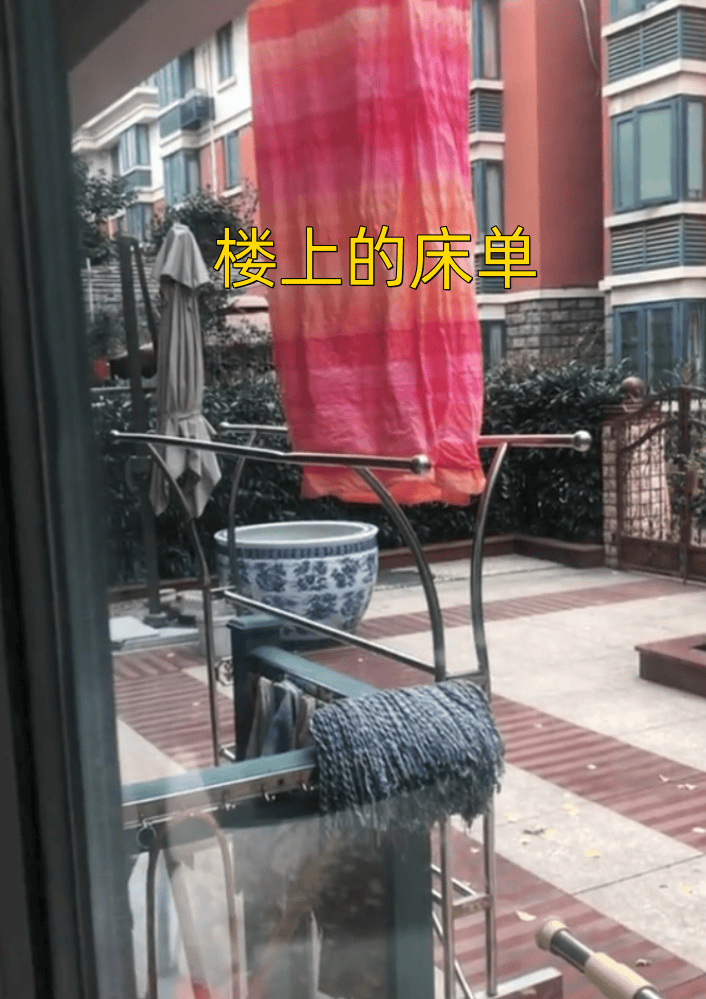
Group 1 - The article discusses the emotional and financial burdens associated with buying a home in China, particularly in first and second-tier cities where housing prices are extremely high [1] - A woman's experience highlights the challenges of living in a second-hand property, where the reality of neighborly relations can significantly impact one's quality of life [3][6] - The article emphasizes the importance of considering neighborly relationships and community dynamics when purchasing a home, as poor relationships can lead to ongoing stress and dissatisfaction [5][10] Group 2 - The woman's attempts to communicate with her upstairs neighbor about their disruptive behavior were unsuccessful, indicating a lack of consideration and respect among residents [5][6] - Online commenters suggested various strategies for dealing with difficult neighbors, ranging from assertive actions to more passive solutions like building a shelter to block the view [8] - The article reflects a broader societal concern about declining interpersonal relationships and the challenges of maintaining harmony in residential communities [12]
“家人出门一举一动都被拍着,听说画面被转发了”,上海女子将邻居告上法庭
Huan Qiu Wang· 2025-10-13 03:13
Core Viewpoint - The rise of electronic security devices, such as video doorbells, has led to privacy concerns and conflicts among neighbors, prompting legal intervention to resolve disputes [1][2]. Group 1: Incident Overview - A resident, Ms. Zhao, expressed discomfort after her neighbor, Mr. Zhang, installed a video doorbell that captured footage of her family's movements, leading her to seek legal action for its removal [2][3]. - Mr. Zhang installed the device to prevent package theft, believing it would only capture footage under specific conditions, but did not consider the privacy implications for Ms. Zhao [2][3]. Group 2: Legal Mediation - To address the dispute, a judge from the Shanghai Changning District People's Court conducted a community-based mediation session, emphasizing the balance between safety and privacy rights as outlined in the Civil Code of the People's Republic of China [4]. - The judge facilitated a site visit to assess the camera's coverage and identified additional underlying issues, such as the placement of shoe cabinets in shared spaces, which contributed to the conflict [4]. Group 3: Resolution - The mediation resulted in Mr. Zhang agreeing to remove the video doorbell, while Ms. Zhao acknowledged his intentions for home security, leading to a mutual understanding [4]. - Both parties reached an agreement to reorganize their shoe cabinets to avoid occupying public space, effectively resolving both the overt and covert conflicts [4].
“再穷不买顶层,再傻不买底层”,这6个楼层,住着难受还不好卖
Sou Hu Cai Jing· 2025-03-25 13:49
Core Viewpoint - The article emphasizes the importance of selecting the right floor when purchasing a property, highlighting that certain floors can lead to discomfort and difficulties in resale. Group 1: Recommended Floor Choices - Most buyers follow the "2 choose 6 not choose" principle, opting for mid-high floors (10 to 29 floors) in high-rise buildings for better ventilation, lighting, and reduced noise [4][10] - For low-rise buildings, the ideal floors are typically between 5 and 14, which also provide good lighting and ventilation, making them suitable for elderly residents [7] Group 2: Floors to Avoid - The first floor is often too damp and unsanitary, making it less desirable for most buyers [17] - The top floor, while having good ventilation and lighting, is prone to issues like leaks and excessive heat, making it uncomfortable during summer [12][14] - Waistline floors (3-4 floors) may have design flaws leading to moisture and leakage problems, reducing their market value [19][21] - Refuge floors, designed for emergencies, often lack proper sunlight and airflow, making them less safe and comfortable for long-term living [22] - Floors with negative phonetic associations (e.g., 3rd, 4th, 5th, 6th, and 7th floors) may deter buyers due to cultural beliefs about bad luck [23] Group 3: Additional Considerations - Buyers should pay attention to surrounding infrastructure, such as transportation and commercial facilities, as these factors influence property value and liquidity [23] - Understanding the construction quality and warranty policies of new buildings is crucial to avoid future living issues [24][25] - Noise levels should be considered when selecting a floor; higher floors may be preferable near busy areas to minimize noise disturbance [27] - For properties intended for renovation, higher floors are recommended to prevent damage from moisture [28] - Future health and safety concerns, such as fire hazards, should also be taken into account when choosing a floor [29] - Establishing good relationships with neighbors can help mitigate potential conflicts and enhance community safety [30]