房贷违约风险

Search documents
中国房贷暴雷风险大吗?
Xin Lang Cai Jing· 2026-01-19 07:03
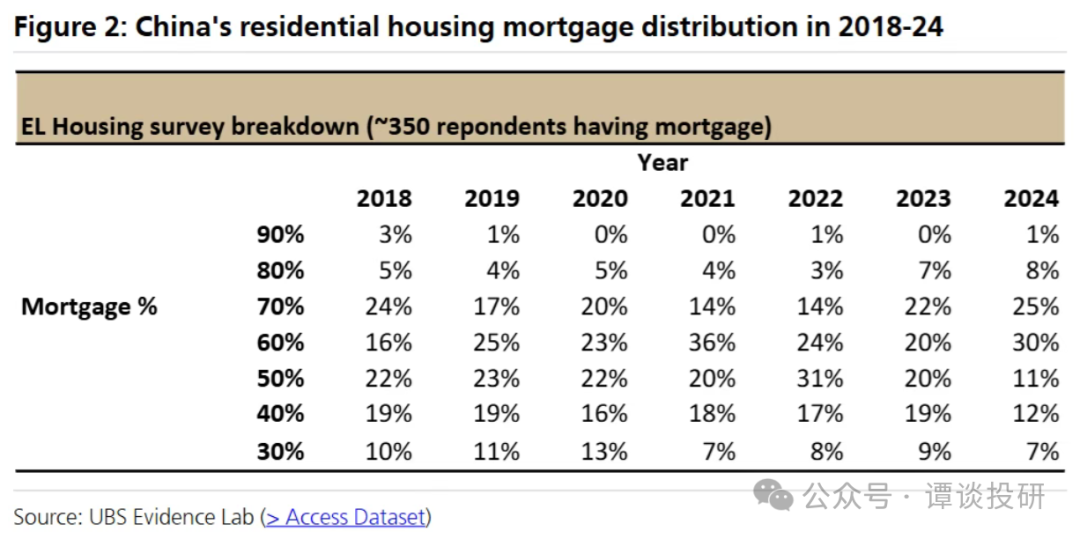
Group 1 - The willingness of Chinese households to take out loans has decreased from 99% in 2018 to 94% in 2024, indicating a shift towards reducing debt and increasing down payment ratios [1][14] - The current issue is not the eligibility to purchase homes but rather the affordability and lack of confidence in the future [1][14] - The number of "negative equity" properties is rising, with approximately 700,000 such homes expected to account for 9.8% of total residential sales this year [2][16] Group 2 - By 2027, the number of negative equity homes could increase to 3.3 million, representing 55.4% of that year's residential sales, suggesting significant risk [3][16] - Despite the rising number of negative equity properties, the risk of widespread mortgage defaults remains low, as only 1.2% of mortgage holders have monthly payments exceeding their income [6][19] - The potential for a larger issue lies in business loans, with a forecasted default rate of 4.8% by 2027, which could lead to millions of properties entering the foreclosure market [20] Group 3 - The rapid increase in property listings, with a 50% rise in first-tier cities since 2022, indicates growing selling pressure [8][21] - Although the growth rate of listings has slowed recently, the overall sentiment regarding future property prices is weakening, with more homeowners willing to lower prices [21] - The banking sector is not facing systemic risks from mortgage defaults, but there are structural risks in smaller banks that may struggle under pressure [24][25]