扫拖一体

Search documents
杉川首次回应收购iRobot
Di Yi Cai Jing Zi Xun· 2025-12-17 14:00
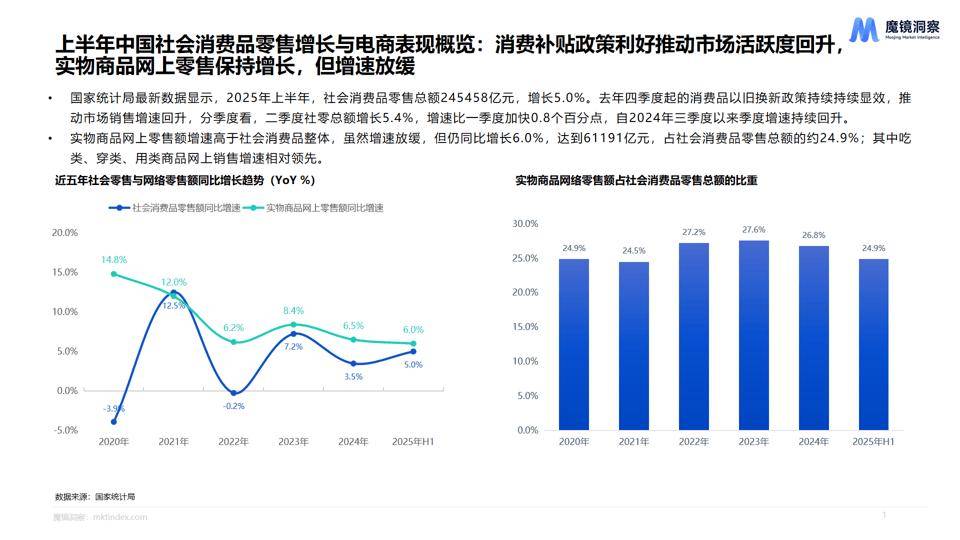
Core Viewpoint - iRobot has filed for bankruptcy and will be acquired by Sijia, leading to a significant drop in its stock price and market value, marking a dramatic decline from its position as a leader in the robotic vacuum industry [2][3][4]. Group 1: Company History and Market Position - iRobot was founded in 1990 and gained fame with its Roomba vacuum cleaner, achieving over 60% market share globally and 80% in the U.S. at its peak [3][4]. - The company reported a revenue of $1.565 billion in 2021, but began to incur losses in 2022, leading to a failed acquisition by Amazon due to antitrust issues [3][4]. - By 2025, iRobot's market share in the global robotic vacuum market had fallen below 8%, with significant revenue declines reported across various regions [4][6]. Group 2: Financial Decline - iRobot's financial situation deteriorated, with a cash balance of only $24.8 million and a net loss of $240.4 million in 2022 [4][6]. - The company faced a 33% decline in U.S. revenue and a 13% decline in Europe, the Middle East, and Africa in the third quarter of 2023 [4][6]. - By the end of 2025, iRobot's revenue was reported at $375 million, a year-on-year decrease of 26.47%, with net losses increasing by 90% to $130 million [6]. Group 3: Reasons for Decline - iRobot's failure to integrate sweeping and mopping functions into a single product, while competitors adopted this approach, contributed to its decline [5][6]. - The company relied on visual navigation technology, while competitors in China advanced with laser navigation, leading to a competitive disadvantage [5][6]. - Increased operational costs due to U.S. tariffs on imports from China and Vietnam further strained iRobot's financial health [5][6]. Group 4: Acquisition and Future Prospects - Sijia, the acquiring company, aims to leverage iRobot's brand value and technological expertise to expand its market presence [7][8]. - Sijia has already secured the regional agency rights for iRobot in China and plans to enhance local operations to drive growth [7][8]. - The acquisition could reshape the competitive landscape in the North American robotic vacuum market, where iRobot still holds a 20%-30% market share [9].

2025年半年度消费新潜力白皮书出炉:5大赛道洞察新趋势
Sou Hu Cai Jing· 2025-08-30 08:12
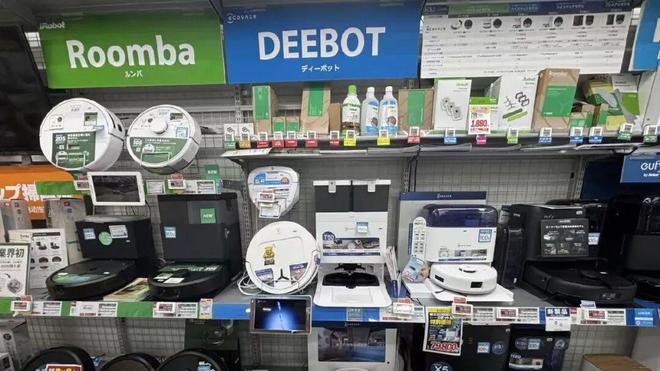
Core Insights - The consumer market in the first half of 2025 is revitalized by dual drivers of policy and ideology, with steady growth in retail sales of consumer goods and ongoing consumption subsidy policies acting as key motivators [1][2] - The total retail sales of consumer goods reached 24,545.8 billion yuan, growing by 5.0% year-on-year, while online retail sales of physical goods grew by 6.0%, reaching 6,119.1 billion yuan, accounting for approximately 24.9% of total retail sales [2][5] - The report identifies five core sectors for further exploration, including traditional sectors like food and beverage, home appliances, and beauty care, as well as emerging sectors like health supplements and 3C digital products [5][6] Sector Summaries Food and Beverage - The overall scale of the food and beverage market reached 284.54 billion yuan, with a year-on-year sales growth of 5.8% and a volume increase of 7.8%, despite a slight average price decline of 2.2% [8] - The dairy product sector is highlighted for its innovative approaches, with a focus on "experience iteration" and "functional deepening," particularly among Gen Z consumers [8][11] Health Supplements - The online health supplement market saw sales of 60.41 billion yuan, a year-on-year increase of 16.2%, with sleep management products experiencing a significant growth of over 50% [14][15] - The demand for sleep management products is driven by increasing stress levels, with women making up 74% of the consumer base [18][20] Home Appliances - The online sales of home appliances reached 284.88 billion yuan, growing by 8.0% year-on-year, with the cleaning appliance market showing a remarkable growth of 31.6% [24][28] - The cleaning appliance market is characterized by concentrated competition, with robotic vacuums and floor washers dominating market share [24][28] Beauty and Skincare - The beauty and skincare market achieved sales of 235.23 billion yuan, a year-on-year increase of 10.1%, with anti-aging products seeing a significant growth of 30.3% [30][31] - The demand for anti-aging products is expanding beyond facial care to include body care, reflecting a broader consumer focus on overall anti-aging solutions [31][34] 3C Digital Products - The total sales of 3C digital products exceeded 785.04 billion yuan, with a year-on-year sales increase of 6.7% and a volume growth of 11.1% [37] - The sports camera segment experienced explosive growth, with sales reaching 2.3 billion yuan, a year-on-year increase of 150.9% [37][38] Conclusion - The consumer market is undergoing significant changes driven by policy guidance and evolving consumption concepts, with brands needing to adapt to these trends to capture growth opportunities [46]