投资向善

Search documents
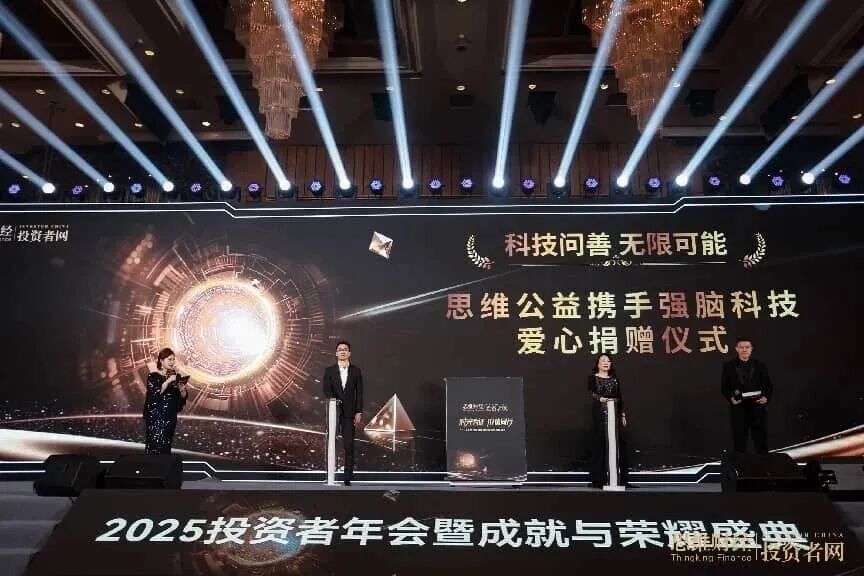
科技向善,无限可能:厚扬投资携手强脑科技共启思维公益2026新篇章
Xin Lang Cai Jing· 2026-01-15 14:09
Core Viewpoint - The initiative "Technology for Good" is transitioning from concept to action, with a focus on empowering disabled individuals through technology, marking a significant expansion of philanthropic efforts into the AI sector by the company [1][3]. Group 1: Philanthropic Initiatives - The company has a long-standing commitment to educational equity and child welfare, having supported various projects such as building hope primary schools in remote areas and donating nearly 280,000 yuan worth of Skechers shoes to rural children [2][6]. - The collaboration with Qiangnao Technology aims to enhance rehabilitation training and social integration for disabled individuals, leveraging Qiangnao's leadership in non-invasive brain-computer interface technology, which has achieved a valuation exceeding $1.3 billion and recently completed strategic financing of approximately 2 billion yuan [2][6]. Group 2: Future Directions - The company is evolving from being a resource supporter to a co-builder of the philanthropic ecosystem, intending to actively connect the Thinking Public Welfare platform with innovative technological forces [3][7]. - The company emphasizes that philanthropy is not just about giving but about co-creating value, aiming to create sustainable and replicable social value through the integration of investment, philanthropy, and technology [2][7].

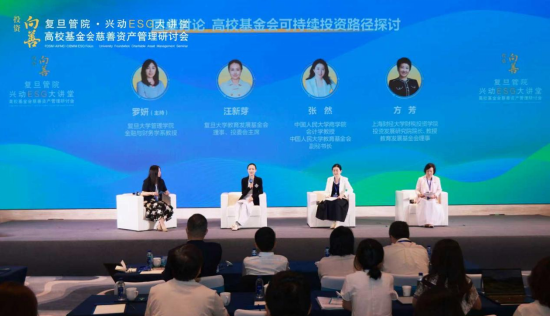
复旦、人大、上财共话:高校基金会投资的远景、机遇和挑战(精华集锦)
Xin Lang Ji Jin· 2025-09-22 10:09
Core Insights - The conference focused on the theme of "Investment for Good," emphasizing the role of university foundations in sustainable investment practices [1][2] - Key discussions revolved around the investment goals and management models of university foundations, highlighting the importance of financial sustainability and social impact [4][5] Group 1: Investment Goals and Management Models - University foundations are mission-driven, aiming for sustainable financial development to support scholarships and research [4] - Investments should not only focus on financial returns but also on generating positive social impacts, such as supporting scientific research and addressing climate change [5] - Practical approaches discussed include negative screening of investments, positive screening for green and social impact sectors, shareholder activism, and impact investing [6][10] Group 2: Risk Management Practices - Risk management is prioritized, focusing on safety and liquidity, with a goal of preserving capital before seeking growth [7] - Compliance and transparency are emphasized, with due diligence and strict protocols to mitigate investment risks [7][12] - The use of technology, such as blockchain, is being explored to enhance transparency in fund management [7] Group 3: Investment Experience Sharing - The "Yale Model" of asset allocation and delegated investment is highlighted as a potential framework for university foundations [10] - The importance of diversifying investments across various asset classes, including alternative assets, is discussed to combat inflation and ensure long-term growth [10][11] - The selection of quality asset managers is crucial, with a focus on aligning investment philosophies with the foundation's mission [11][12] Group 4: Future Opportunities and Challenges - The growth of university foundation assets presents opportunities for expanding investment channels beyond traditional assets [14] - Challenges include the need for market-oriented operational processes and the ability to attract professional financial talent [19][20] - The potential for collaboration with financial institutions and leveraging alumni resources is seen as a way to enhance investment strategies [15][19]