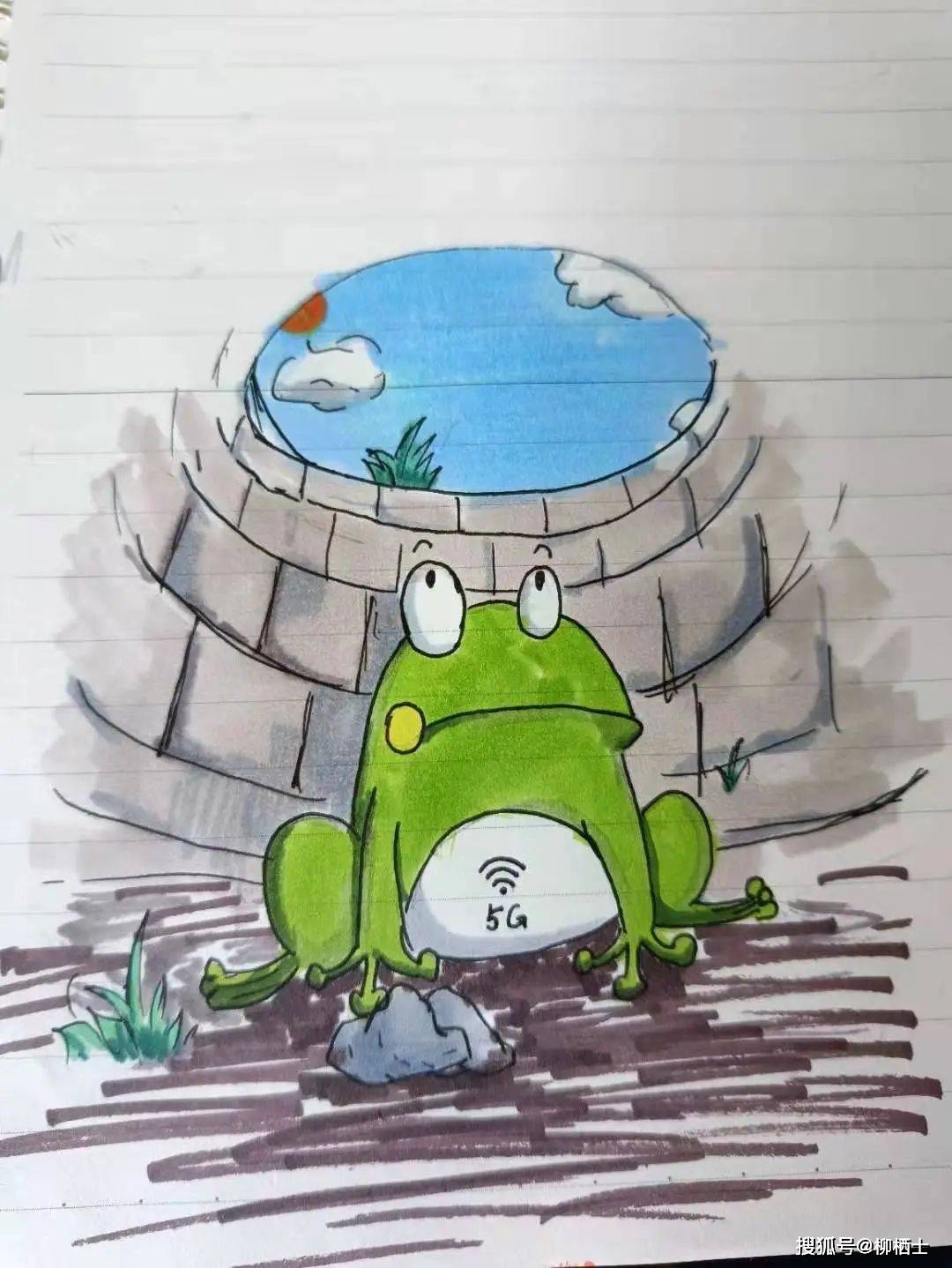
换位思考

Search documents
马上评|多换位思考,就可以避免很多对立和撕裂
Xin Lang Cai Jing· 2026-01-10 10:12
Core Viewpoint - The controversy surrounding actress Yan Xuejing's comments about her family's income highlights the disconnect between her perspective and that of the general public, leading to accusations of "showing off wealth" and "crying poverty" [1][2][3] Group 1: Public Reaction - There are mixed reactions to Yan Xuejing's statements, with some believing her income level is significantly higher than that of the average person, while others argue that her financial situation is not exaggerated given the high cost of living in major cities [1] - The public discourse reflects a broader issue of empathy and understanding, as many individuals fail to consider the diverse economic realities faced by others [3] Group 2: Personal Perspective - Yan Xuejing's comments reveal a limited worldview, as she seems unable to generalize her personal experiences to the broader population, which may lead to misunderstandings and negative perceptions [2] - The need for public figures to expand their perspectives and recognize the varied circumstances of others is emphasized, suggesting that greater awareness could alter the public's response to their statements [2] Group 3: Social Commentary - The article discusses the tendency for extreme viewpoints to provoke strong emotional reactions online, often stemming from a lack of empathy and the failure to consider others' perspectives [3] - It is noted that both public figures and ordinary individuals must acknowledge the existence of diverse experiences and values in society, which is essential for fostering mutual understanding and respect [3]
南街走笔丨换位思考
Zhong Yang Ji Wei Guo Jia Jian Wei Wang Zhan· 2025-12-05 00:24
Group 1 - The core idea emphasizes the importance of empathy and understanding in interpersonal relationships, highlighting that true understanding requires genuine effort to see things from others' perspectives [1][2][4] - The article discusses how individuals often struggle to comprehend others' choices and situations due to a natural tendency to focus on their own feelings and experiences [2][5] - It points out that effective communication and problem-solving require a shift from self-centered thinking to a more inclusive approach that values listening and mutual respect [4][5] Group 2 - The concept of "perspective-taking" is elaborated as a multi-layered process involving empathy, resonance, and consensus, which are essential for resolving conflicts and fostering collaboration [4][5] - The article stresses that true perspective-taking is a two-way street, requiring both parties to engage actively in understanding each other's needs and challenges [5] - It concludes by advocating for a culture of understanding and respect in both personal and professional interactions, which can lead to healthier relationships and more effective teamwork [5]
判断一家企业的经营水平怎么样,关键就在这“四看”
3 6 Ke· 2025-10-20 02:47
Group 1 - The core idea emphasizes that effective management is crucial for business success, and it introduces the concept of "Four Views" for better business operations [1][22] Group 2 - "Horizontal View": Benchmarking against industry peers is essential to avoid insular thinking and to identify gaps in performance [3][5][7] - "Vertical View": Long-term thinking is necessary to prevent short-sightedness, as businesses must consider the future value of their actions [9][11][13] Group 3 - "Backward View": Starting with the end goal in mind helps in defining clear paths and milestones, ensuring that resources are allocated effectively [14][15][17] Group 4 - "Perspective Shift": Understanding the needs of employees, customers, and partners through empathy can enhance engagement and operational efficiency [18][19][20][21]
有一种高级的认知:看谁都是好人
洞见· 2025-07-05 11:04
Core Insights - The article emphasizes the importance of perspective in understanding others and avoiding misjudgments about their intentions [9][10][11][12][18]. Group 1 - The article illustrates how cultural differences can lead to misunderstandings, using the example of a German company's communication style [7][9]. - It highlights the necessity of considering alternative viewpoints to avoid misinterpretations, as shown in the story of a foreign trade blogger who initially misjudged a client's strict labeling requirements [20][22][24]. - The narrative stresses that a narrow perspective can lead to a growing perception of negativity in others, which can limit personal growth and understanding [27][30][32]. Group 2 - The article discusses the concept of empathy and understanding, suggesting that recognizing the complexities of others' situations can lead to better relationships and personal development [34][38][39]. - It mentions that individuals often project their internal biases onto others, which can distort their perception of reality [49][50][51]. - The conclusion encourages adopting a more open and inclusive mindset, which can transform one's view of the world and the people within it [52][53].


互联网时代:比信息茧房更可怕的是观念壁垒
Sou Hu Cai Jing· 2025-05-19 03:07
Group 1 - The internet has the potential to expand knowledge but fails to enhance individual cognitive levels, leading to the formation of information cocoons that reinforce existing beliefs [3][4] - The current online environment is filled with opposing viewpoints, resulting in a breakdown of interpersonal relationships, as individuals struggle to understand each other's perspectives [4][5] - Many people are inclined to accept only those viewpoints that align with their own, which diminishes their ability to empathize and engage in constructive dialogue [6][10] Group 2 - High-traffic videos often reflect real societal issues, showcasing the existence of both irresponsible men and materialistic women, thus validating diverse perspectives [6][7] - The confusion between macro perspectives and micro interpersonal strategies leads individuals to misapply broad concepts to specific relationships, causing further misunderstandings [7][8] - Effective relationship management requires a balance of emotional understanding and rational analysis, emphasizing the need for tailored approaches to individual situations [8][9] Group 3 - Discussions around topics like bride price should be approached with mutual understanding and respect, rather than rigid expectations or societal pressures [9][10] - The internet should serve as a tool for broadening perspectives and enhancing cognitive abilities, rather than reinforcing biases and judgments [10]