控制体重

Search documents
胃很怕的 5 个习惯,很多人几乎每天都在做!却不知道
Xin Lang Cai Jing· 2026-01-17 07:28
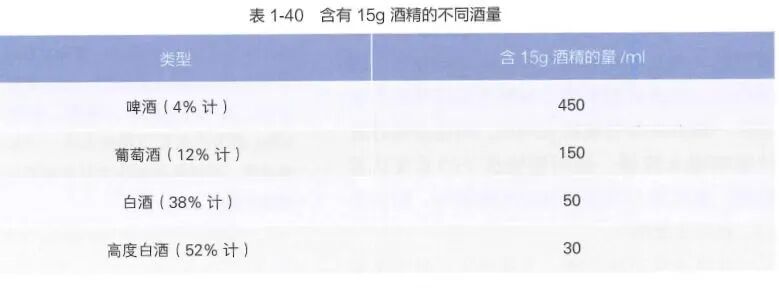
Core Viewpoint - The article emphasizes the importance of dietary habits and lifestyle choices in maintaining gastric health, highlighting specific foods and behaviors that can harm the stomach and suggesting ways to protect it. Group 1: Foods to Avoid - High-salt foods can irritate the gastric mucosa, increasing the risk of gastritis and potentially leading to gastric cancer. Daily salt intake should be limited to 5 grams [2][3]. - High-sugar foods can disrupt gut microbiota balance and increase the risk of gastroesophageal reflux disease (GERD). Daily sugar intake should not exceed 25 grams [4][6]. - Smoking and alcohol consumption can lead to GERD and are associated with an increased risk of gastric cancer. Alcohol intake should be limited to 15 grams per day [7][8][10]. - Poor dietary hygiene can lead to Helicobacter pylori infection, a significant factor in gastric diseases. Proper handwashing and food hygiene practices are recommended [10][11]. - Certain medications, such as aspirin and ibuprofen, can damage the gastric mucosa. Consultation with a doctor before taking these medications is advised [12][13]. Group 2: Recommendations for Gastric Health - Increasing the intake of fresh fruits and vegetables can provide essential nutrients and antioxidants that help reduce inflammation and lower gastric cancer risk. Consuming fruits at least three times a week can reduce gastric cancer risk by 62% [15][16]. - Maintaining a healthy weight is crucial, as obesity is linked to an increased risk of gastric cancer. A Body Mass Index (BMI) of 24 or higher indicates overweight, while a BMI of 28 or higher indicates obesity [18]. - Eating in moderation and chewing food thoroughly can help reduce gastric burden and improve digestion [17].

意外!每天吃点猪油,竟有助控制体重和慢性炎症
Xin Hua Wang· 2025-12-20 15:00
Core Insights - The research team from Hunan Agricultural University found that moderate consumption of lard can reduce fat deposition and inflammation, suggesting that adults should use 25 to 30 grams of cooking oil daily, with lard making up about half of that amount [2] Group 1 - The study indicates that fat deposition and inflammation caused by obesity are significant underlying factors for type 2 diabetes [2] - In a comparison of lard, tea oil, and peanut oil, mice consuming lard were found to be leaner and had less inflammation than those consuming plant oils, with lard-eating mice showing nearly a 29% reduction in overall fat compared to those eating tea oil [2] - Mice consuming lard had lower levels of pro-inflammatory molecules (e.g., IL-6) and higher levels of anti-inflammatory molecules (e.g., IL-10), suggesting that lard may be more effective than certain plant oils in controlling weight and chronic inflammation [2] Group 2 - The research further revealed the molecular mechanisms by which lard exerts its benefits, notably increasing the levels of taurine bile acid in the serum, which acts as a key messenger connecting diet and metabolism [3] - Lard instructs fat cells to accelerate fat breakdown into energy and calms inflammatory immune cells, reducing inflammation within fat tissue [3] - The researchers recommend a balanced consumption of lard and plant oils in daily diets, highlighting that lard's balanced ratio of saturated to monounsaturated fatty acids allows for a 40% reduction in oil usage when cooking [3]