摄影

Search documents
摄影人永远蓬勃
Xin Lang Cai Jing· 2026-02-21 08:58
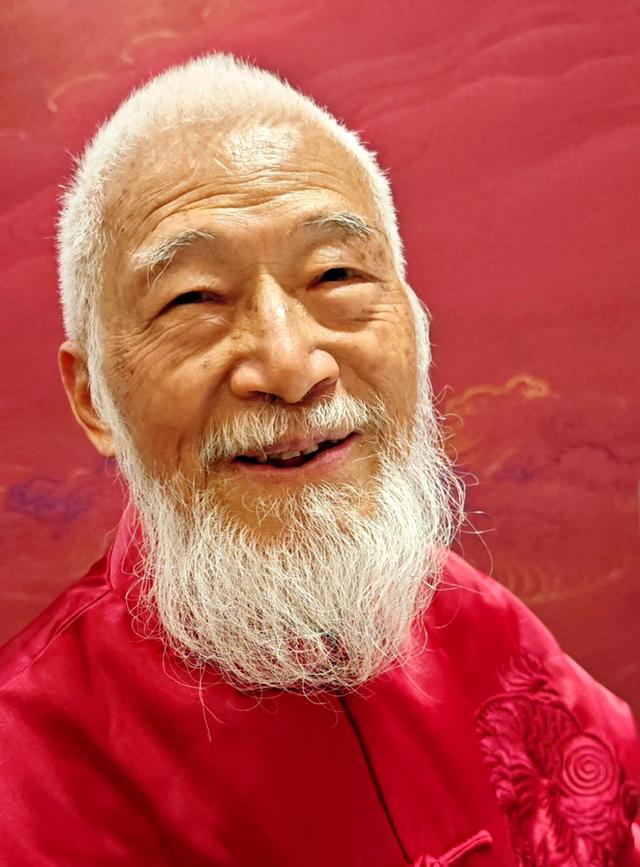
Group 1 - Zhang Bin, a 90-year-old amateur photographer, remains active and recognized among Beijing's photography enthusiasts [1][3] - He began contributing to Beijing Evening News in the 1990s, becoming a notable photography correspondent [3] - Zhang has a diverse professional background, having worked in various roles before retiring and dedicating himself to photography [6] Group 2 - Over the past 30 years, Zhang has photographed China's ten most famous revolutionary sites, showcasing his passion for photography [8] - He recently led a group of friends to climb the Great Wall, demonstrating his continued enthusiasm for outdoor photography [8] - The article suggests a playful rephrasing of a song title to reflect the enduring vitality of photographers, indicating a positive view of aging in the creative field [8]

摄影告别“妖术”
Xin Lang Cai Jing· 2026-02-19 07:38
Core Insights - The article discusses the historical significance of the book "Kodak Photography: A Reference Book for Everyday Photography," published during the 1920s, highlighting Kodak's establishment in China and its influence on photography culture [1][2] Group 1: Historical Context - Kodak Company was established in 1920 and set up its Shanghai branch in 1920, later moving to Yuanmingyuan Road in 1928 [1] - The book was published during a time when photography was becoming more accessible and popular among urban intellectuals in China, marking a shift from viewing photography as a "mysterious art" to a form of entertainment [1] Group 2: Book Details - "Kodak Photography" consists of 224 pages divided into 25 chapters, featuring nearly 400 illustrations, covering the entire photography process from camera selection to darkroom techniques [1] - The book serves as a valuable resource for both beginners and experienced photographers, aiming to deepen knowledge and facilitate entry into photography [1] Group 3: Technical Insights - The book references the Kodak "Retina" camera, which was introduced in 1931, known for its compact design and high image quality, appealing to photography enthusiasts [2] - The introduction of the 135 film format, which became popular in the mid-1930s, was facilitated by advancements in black-and-white film quality and the rise of color film, leading to increased camera production and film consumption [2] - The 135 film designation was officially adopted as a global standard by the late 1930s, marking a significant development in the photography industry [2]

【拍客的2025】吴超英:每天在老北京扫街,发现无数新的故事
Bei Jing Ri Bao Ke Hu Duan· 2026-01-12 05:22
Group 1 - The article reflects on the year 2025, highlighting the author's engagement in photography and the enjoyment derived from capturing everyday moments [2][3] - The focus of the photography has been on street scenes, with a limited range of locations, yet the author expresses a commitment to continue exploring and documenting these experiences [2] - The collection of photographs contributes to a project titled "Old Beijing, New Stories," indicating a thematic exploration of cultural narratives [2] Group 2 - Various specific events and scenes captured throughout the year include interactions at historical sites, cultural festivals, and everyday life in Beijing [6][8][10][12][18] - Notable moments include a Valentine's Day flower vendor, a live-streaming girl at the Forbidden City, and traditional wedding photography juxtaposed with modern elements [12][18][20] - The photographs also document community activities, such as sports performances and cultural exchanges, showcasing the vibrancy of urban life in Beijing [17][24][27][29]

陈冲:被透明之墙分隔的“三个广州” | 正午视觉
Xin Lang Cai Jing· 2026-01-04 04:24
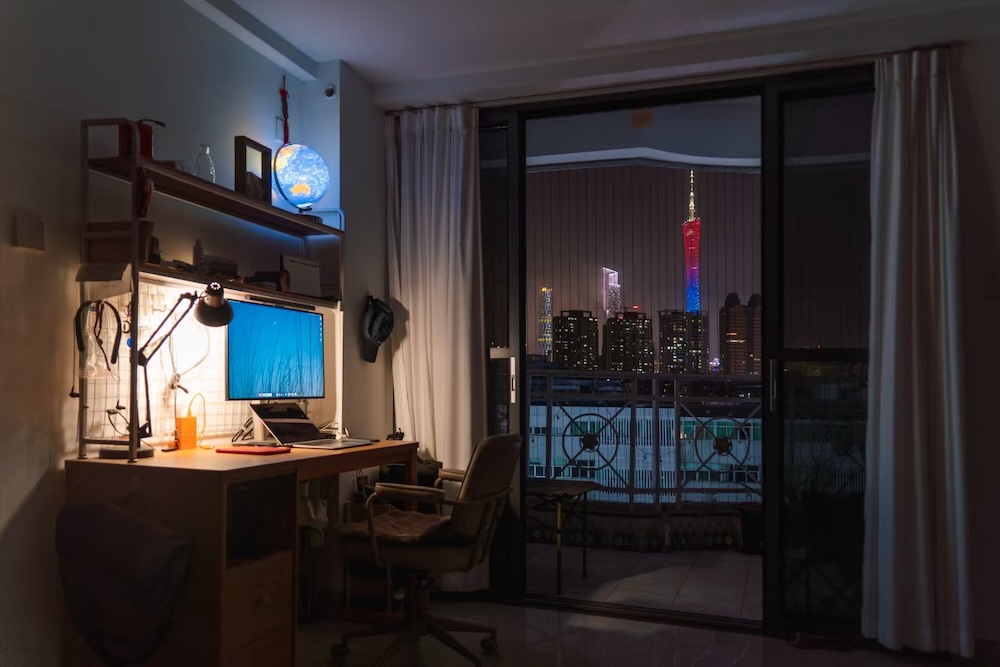
Core Viewpoint - The article explores the evolution of photography in Guangzhou, focusing on the significance of the Canton Tower as a central theme in capturing the city's diverse life and culture through various perspectives and experiences [3][10][15]. Group 1: Personal Journey and Career Transition - The individual transitioned from a stable job in a state-owned enterprise to a media career, driven by a desire for change and exploration [2][4]. - Experiences during significant events, such as the Hong Kong protests and the Wuhan pandemic, enriched the individual's understanding of the world [2][4]. Group 2: Photography and Urban Exploration - The photographer began with landscape photography but shifted focus to urban life, using the Canton Tower as a visual anchor to document the city's essence [3][10]. - The project on the Canton Tower serves as a long-term observation of the city, highlighting its role as a symbol that adds context to everyday moments [3][10]. Group 3: Cultural Observations and Social Dynamics - The article discusses the contrast between different social groups in Guangzhou, emphasizing the coexistence of diverse communities within the same physical space yet separated by cultural and social barriers [15][16]. - The photographer captures moments that reflect the complexities of urban life, such as the interactions between local residents and migrant workers during traditional festivals [11][15]. Group 4: Artistic Evolution and Style - The photographer's style evolved from capturing pristine landscapes to incorporating human elements, creating a narrative within the images [16][17]. - Joining a collective of documentary photographers allowed for exposure to diverse styles and approaches, enhancing the individual's artistic expression [16].