收缩型霸权

Search documents
新华网国际看点|美新一届政府执政近一年,给世界带来了什么?
Xin Hua She· 2026-01-15 13:52
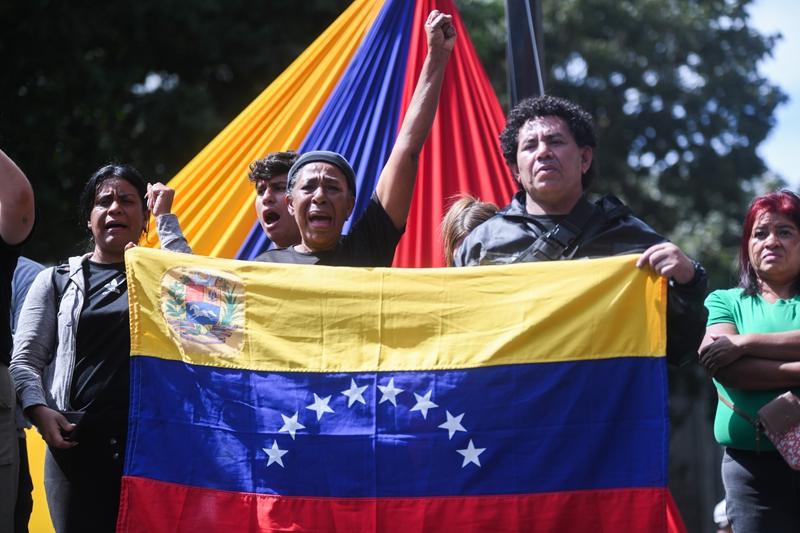
Core Viewpoint - The new U.S. government has intensified political polarization and governance disorder, prioritizing "America First" over international norms, leading to global instability and uncertainty [2][3]. Foreign Policy - The U.S. government has adopted extreme unilateralism and alliance restructuring, withdrawing from international agreements like the Paris Accord and the WHO, resulting in fragmented global governance [2][3]. - The U.S. is implementing "Monroe Doctrine 2.0," threatening Latin American countries with military intervention while attempting to undermine China-Russia cooperation [3][4]. - The U.S. is pushing for "de-globalization" and "friend-shoring," causing disruptions in global supply chains and increasing logistics and production costs, which ultimately burden American consumers [3][4]. - The new national security strategy emphasizes a transactional approach to alliances, requiring allies to share defense responsibilities and aligning them with U.S. economic and security interests [4][5]. Economic Policy - The U.S. government has enacted significant tax cuts and expanded oil and gas production, projected to increase the deficit by $3.3 trillion over the next decade [3][4]. - Tariff policies have created high uncertainty, leading to negative impacts on global supply chains and market volatility [4][5]. Military Strategy - The U.S. military strategy is characterized by a withdrawal from regions like the Middle East and Europe, focusing resources on the Western Hemisphere and the Indo-Pacific, which may exacerbate local tensions [3][4]. Domestic Policy - The government has initiated drastic administrative reforms, including significant layoffs and budget cuts in various federal agencies, leading to a historic government shutdown and declining public trust [8][9]. - Immigration policies have become more extreme, resulting in the largest-scale deportations in U.S. history, which may negatively impact labor supply and GDP [8][9]. - Social and educational policies have intensified divisions between "red" and "blue" states, exacerbating cultural conflicts [9][10]. Overall Governance Characteristics - The governance style of the U.S. government is described as "bulldozer governance," marked by extreme unilateralism, strong administrative control, economic bullying, strategic contraction, and populist governance [12][13]. - The government acknowledges the end of the unipolar era and is shifting towards a new isolationist realism, focusing on maintaining dominance in the Western Hemisphere and the Indo-Pacific [13][14]. Future Policy Directions - In 2026, the U.S. is expected to prioritize national security in domestic policies, emphasizing "Western Hemisphere first" and using economic tools as leverage in trade negotiations [14][15]. - The government aims to control resources and political security in the Western Hemisphere, potentially leading to increased tensions with regional countries [15][16].


美新一届政府执政近一年,给世界带来了什么?
Xin Hua Wang· 2026-01-15 09:28
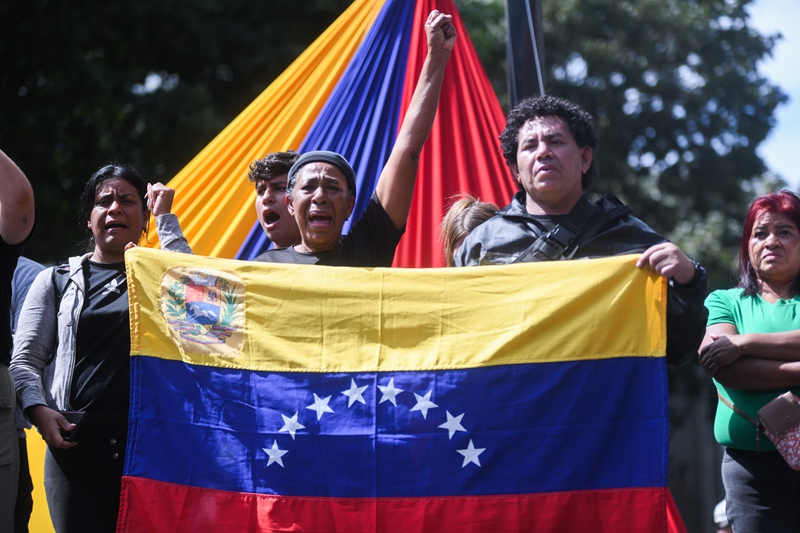
Core Viewpoint - The new U.S. government has intensified political polarization and governance disorder, prioritizing "America First" over international norms, leading to global instability and uncertainty [1] Foreign Policy - The U.S. government has adopted extreme unilateralism and alliance restructuring, withdrawing from international agreements like the Paris Accord and the WHO, resulting in fragmented global governance [2][3] - The implementation of "Monroe Doctrine 2.0" or "Tangro Doctrine" involves military interventions in Latin America while attempting to undermine China-Russia cooperation [2][4] - The U.S. has emphasized transactional relationships with allies, demanding greater defense responsibilities and linking economic and security issues [3][11] Economic Policy - The U.S. continues to enforce hegemonic interventions and tariffs, causing supply chain disruptions and increased costs for consumers, which are expected to lead to a $3.3 trillion deficit over the next decade [2][3] - The government's focus on "de-globalization" and "friend-shoring" has resulted in localized supply chain paralysis and rising logistics costs [2][3] Military Strategy - The U.S. military strategy shows a trend of strategic contraction, reallocating resources from the Middle East and Europe to focus on the Western Hemisphere and the Indo-Pacific [2][3] - The new national security strategy prioritizes the Western Hemisphere, indicating a shift in military focus and potential reallocation of U.S. military resources [3][12] Domestic Policy - The government has implemented drastic administrative reforms, including significant layoffs and budget cuts, leading to a historic government shutdown and a decline in public trust [7][8] - Immigration policies have become more extreme, resulting in the largest-scale deportations in U.S. history, which may negatively impact GDP by 1-4.9% due to labor shortages [7][8] - The administration's approach to education and social issues has exacerbated divisions between "red" and "blue" states, leading to increased cultural conflicts [7][9] Overall Governance Characteristics - The governance style is characterized as "bulldozer-style," marked by extreme unilateralism, strong administrative control, economic bullying, strategic contraction, and populist governance [11][16] - The U.S. government acknowledges the end of the unipolar era and is shifting towards a new isolationist realism, focusing on protecting its core interests while viewing China as a primary competitor [11][16]
新华网国际看点丨美新一届政府执政近一年,给世界带来了什么?
Xin Hua She· 2026-01-14 14:27
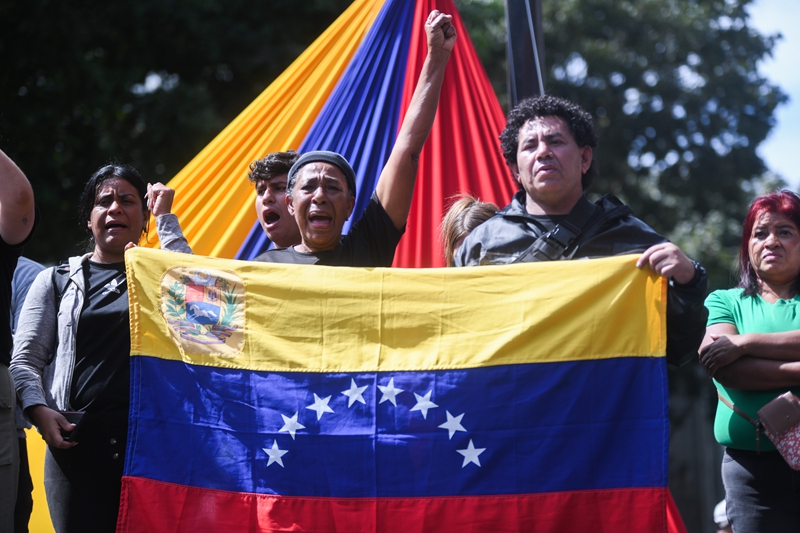
Core Viewpoint - The new U.S. government has intensified political polarization and governance disorder, prioritizing "America First" over international norms, leading to global instability and uncertainty [1][12]. Foreign Policy - The U.S. government has adopted extreme unilateralism and alliance restructuring, withdrawing from international agreements like the Paris Accord and the WHO, resulting in fragmented global governance [1][2]. - The implementation of "Monroe Doctrine 2.0" or "Tangro Doctrine" involves military interventions in Latin America while attempting to undermine China-Russia cooperation [2][4]. - The U.S. has emphasized transactional relationships with allies, demanding greater defense responsibilities and linking economic and security issues [3][12]. Economic Policy - The U.S. continues to impose tariffs and engage in hegemonic interventions, causing supply chain disruptions and increased costs for consumers, which are expected to lead to a $3.3 trillion deficit over the next decade [2][12]. - The government's focus on "de-globalization" and "friend-shoring" has resulted in local supply chain paralysis and rising logistics and production costs [2][12]. Military Strategy - The U.S. military strategy shows a trend of strategic contraction, reallocating resources from the Middle East and Europe to focus on the Western Hemisphere and the Indo-Pacific, exacerbating local tensions [2][3]. Domestic Policy - The government has implemented drastic administrative reforms, including significant layoffs and budget cuts, leading to a historic government shutdown and a decline in public trust [8][9]. - Immigration policies have become more extreme, resulting in the largest-scale deportations in history, which may shrink U.S. GDP by 1-4.9% due to labor shortages [8][9]. - Social and educational policies have intensified divisions, particularly between "red" and "blue" states, exacerbating cultural conflicts [8][10]. Overall Assessment - The global perception of the U.S. government is largely negative, with significant concerns over unpredictability, retreat from multilateral cooperation, and the transactional nature of alliances [5][6][12].