政企协同养老

Search documents
深度|近10万港人北上养老 跨境医疗难题待解
Xin Lang Cai Jing· 2026-02-13 00:29
Group 1 - The trend of elderly residents from Hong Kong moving to mainland cities for retirement is increasing due to a significant shortage of elderly care resources in Hong Kong, with nearly 100,000 seniors aged 65 and above choosing to settle in Guangdong Province, marking a 40.5% increase over the past decade [1][3][4] - The integration of the Guangdong-Hong Kong-Macao Greater Bay Area is facilitating the sharing of elderly care resources, providing more convenience for Hong Kong residents seeking retirement options in the mainland [2][14] - Many elderly individuals from Hong Kong prefer to stay in their familiar environments, but the lack of available and affordable care facilities in Hong Kong is pushing them to consider options in Shenzhen and other mainland cities [18][19] Group 2 - The "Guangdong Residential Care Service Plan" was initiated in 2014 to provide funding options for Hong Kong seniors wishing to retire in the mainland, with the number of participating care institutions increasing to 26 across nine mainland cities [21][22] - The Hong Kong government fully subsidizes the costs for eligible seniors in designated care facilities, while also providing monthly allowances to those aged 65 and above, enabling them to choose better living conditions in the Greater Bay Area [8][21] - The collaboration between Hong Kong and mainland cities in cross-border elderly care is evolving from policy exploration to practical integration, with a focus on addressing the challenges of medical service standards and payment systems [23][24] Group 3 - Despite the advantages of living conditions in mainland cities, Hong Kong seniors express concerns regarding the differences in medical standards and the need for cross-border medical services, as many require ongoing treatment and medication [11][25] - Recent developments, such as the ability for Hong Kong seniors to apply for local health insurance after residing in mainland care facilities for six months, are helping to alleviate some of these medical service concerns [26] - The real challenge in cross-border elderly care lies in the integration of systems and standards, which requires ongoing efforts to bridge gaps in medical services, payment methods, and care quality between Hong Kong and the mainland [25][26]


政企协同探索社区养老新路径
Zheng Quan Ri Bao Wang· 2026-01-29 11:50
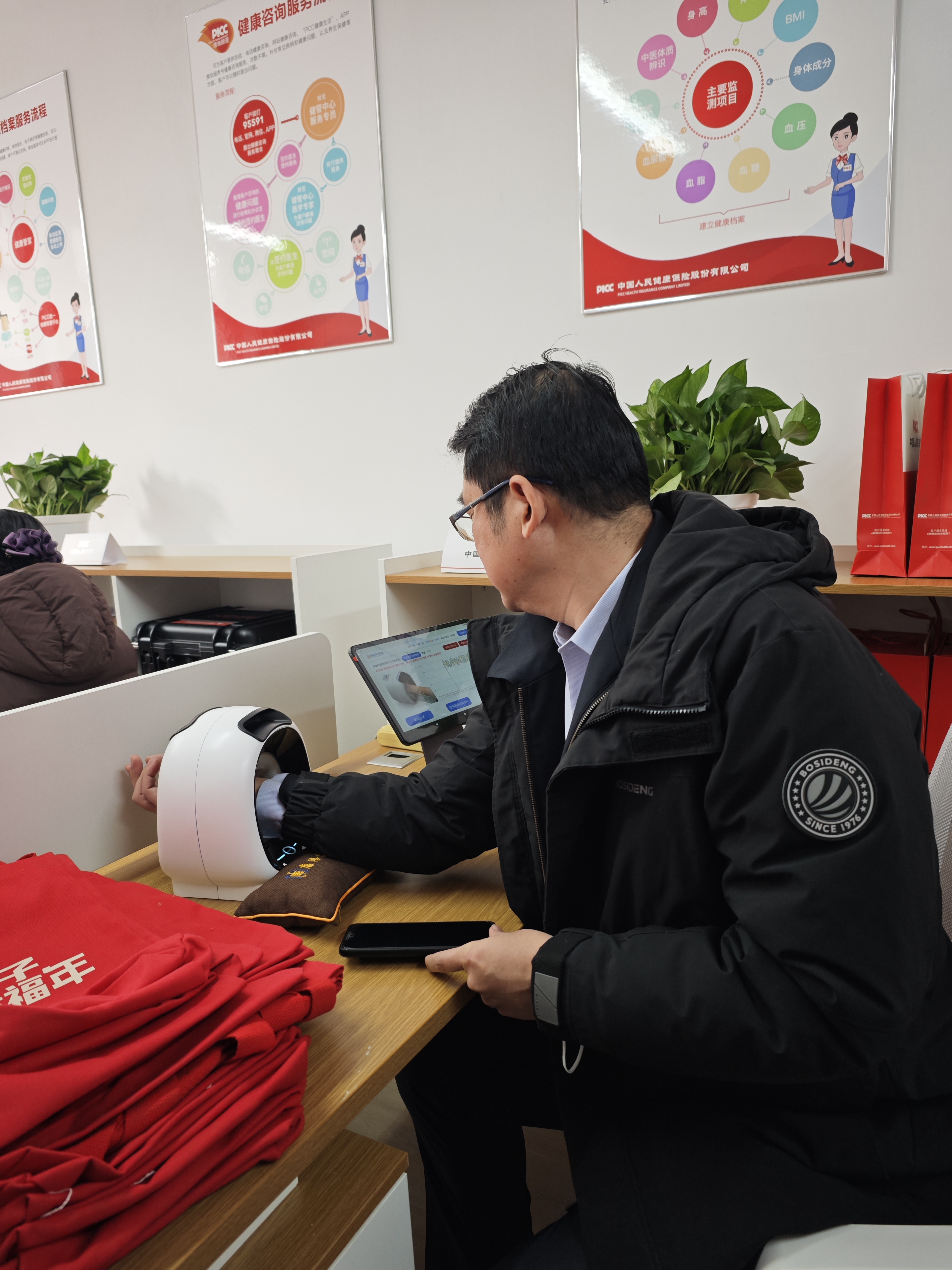
Core Viewpoint - The event "Wanping Xinglin · Health Care Together" aims to promote a community-based elderly care model integrating government and enterprise resources, focusing on traditional Chinese medicine and smart health management to enhance the quality of life for the elderly population, which constitutes 22.6% of the local community [1][4]. Group 1: Event Overview - The event was held on January 29 in Fengtai Wanping Street, emphasizing the integration of government and enterprise efforts in elderly care [1]. - The initiative is part of China's "Healthy China" strategy to address the challenges of an aging population [1]. Group 2: Health Management Innovations - The "Smart Health Cabin" developed by China People's Health Insurance Co. allows residents to experience AI-enabled health monitoring, including quick assessments and the generation of non-invasive health reports [1][4]. - Future expansions of the platform will include video consultations, remote diagnosis, and chronic disease management, aiming to create a "health station at the doorstep" [1]. Group 3: Role of Traditional Chinese Medicine - Traditional Chinese medicine plays a significant role in the community's elderly care approach, with 14 community health guides already in place [4]. - Initiatives such as "Chinese Medicine Experience Living Room" and "Chinese Medicine Diet Canteen" are designed to integrate health management into the daily lives of the elderly [4]. Group 4: Technological Integration in Elderly Care - Smart sensing devices and emergency response platforms are being implemented to enhance safety for the elderly [4]. - Collaborations with cultural institutions aim to extend elderly care services to include mental and emotional support, promoting a holistic approach to well-being [4]. Group 5: Comprehensive Elderly Care System - The multi-layered elderly care service system in Wanping Street covers health, care, and entertainment, breaking the traditional isolated care model [5]. - The initiative represents a shift from passive medical responses to proactive health management, providing a replicable model for urban community elderly care [5].