
养老机构运营

Search documents
深度|近10万港人北上养老 跨境医疗难题待解
Xin Lang Cai Jing· 2026-02-13 00:29
Group 1 - The trend of elderly residents from Hong Kong moving to mainland cities for retirement is increasing due to a significant shortage of elderly care resources in Hong Kong, with nearly 100,000 seniors aged 65 and above choosing to settle in Guangdong Province, marking a 40.5% increase over the past decade [1][3][4] - The integration of the Guangdong-Hong Kong-Macao Greater Bay Area is facilitating the sharing of elderly care resources, providing more convenience for Hong Kong residents seeking retirement options in the mainland [2][14] - Many elderly individuals from Hong Kong prefer to stay in their familiar environments, but the lack of available and affordable care facilities in Hong Kong is pushing them to consider options in Shenzhen and other mainland cities [18][19] Group 2 - The "Guangdong Residential Care Service Plan" was initiated in 2014 to provide funding options for Hong Kong seniors wishing to retire in the mainland, with the number of participating care institutions increasing to 26 across nine mainland cities [21][22] - The Hong Kong government fully subsidizes the costs for eligible seniors in designated care facilities, while also providing monthly allowances to those aged 65 and above, enabling them to choose better living conditions in the Greater Bay Area [8][21] - The collaboration between Hong Kong and mainland cities in cross-border elderly care is evolving from policy exploration to practical integration, with a focus on addressing the challenges of medical service standards and payment systems [23][24] Group 3 - Despite the advantages of living conditions in mainland cities, Hong Kong seniors express concerns regarding the differences in medical standards and the need for cross-border medical services, as many require ongoing treatment and medication [11][25] - Recent developments, such as the ability for Hong Kong seniors to apply for local health insurance after residing in mainland care facilities for six months, are helping to alleviate some of these medical service concerns [26] - The real challenge in cross-border elderly care lies in the integration of systems and standards, which requires ongoing efforts to bridge gaps in medical services, payment methods, and care quality between Hong Kong and the mainland [25][26]


广东从化:探索县域养老新模式 从“兜底保障”迈向“品质养老”
Xin Lang Cai Jing· 2026-01-10 10:12
Core Viewpoint - The "public-private partnership" reform in Guangzhou's Conghua District has significantly improved the quality of elderly care services, enhancing operational efficiency and increasing resident satisfaction while alleviating the financial burden on the government [5][9][10]. Group 1: Reform Implementation - The "public-private partnership" model allows for the government to maintain ownership of elderly care facilities while transferring operational responsibilities to social capital, thus eliminating the need for government funding for daily operations [8]. - The introduction of a KPI assessment mechanism has linked the income of management and care staff to resident satisfaction, resulting in a substantial increase in the number of residents from 18 to 204 and a rise in staff from 14 to 96 [7]. - The reform has led to a significant increase in bed occupancy rates, from 8% to 77%, and an expansion of nursing beds from 48 to 300 within a two-year period [9]. Group 2: Service Quality and Diversity - The reform has enabled the provision of comprehensive services, including medical care, rehabilitation, and cultural activities, tailored to meet the diverse needs of the elderly population [9]. - The establishment of a multi-dimensional supervision and evaluation mechanism ensures that service quality is maintained, with third-party assessments in place to monitor performance [8]. - The focus on "zero government funding" and "full social operation" has allowed for a market-oriented approach to elderly care, enhancing service quality and accessibility for the elderly [9][10]. Group 3: Broader Implications - The success of the Conghua District model has inspired similar initiatives in other regions, such as Nansha and Baiyun Districts, indicating a growing trend towards public-private partnerships in elderly care across Guangdong Province [10]. - As of 2024, Guangdong Province has seen a significant increase in the elderly population, with 18.99 million residents aged 60 and above, highlighting the urgent need for improved elderly care services [10]. - The ongoing reforms aim to transition from basic safety nets to high-quality elderly care, reflecting a broader shift in the province's approach to aging populations [10].
为什么养老院华而不实:为评级还是为老人?
3 6 Ke· 2026-01-04 10:55
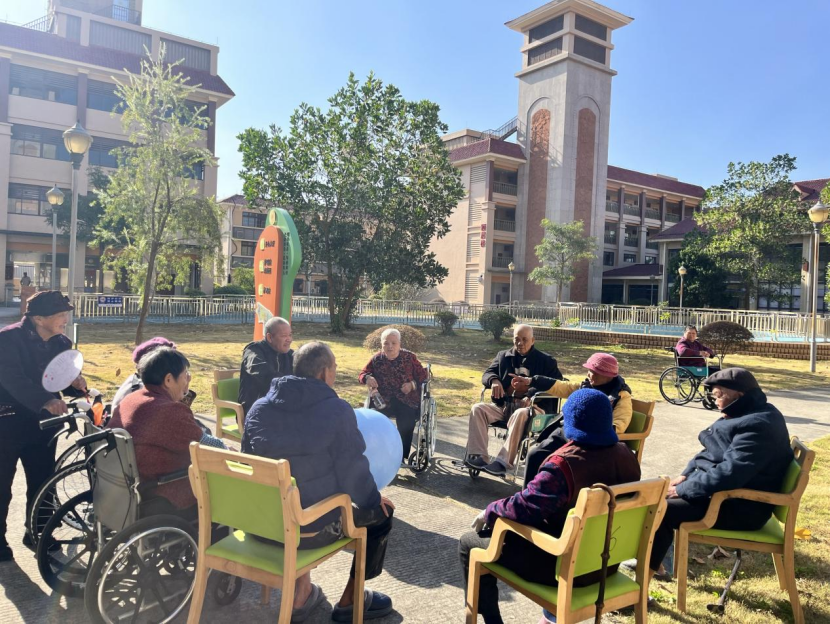
Core Insights - A domestic mid-range elderly care institution has faced unexpected challenges after adopting Japan's "group care" model, which emphasizes a communal living environment for elderly residents [1] - The institution's layout, designed to facilitate caregiver access and promote a family-like atmosphere, has led to practical issues such as long queues for shared bathrooms and conflicts among residents over hygiene preferences [1] - Research indicates a mismatch between the design of elderly care facilities and the actual needs of residents, highlighting a common dissatisfaction among both elderly individuals and caregivers regarding facility design [1][2] Group 1: Facility Design and Utilization - The institution's design includes shared living spaces and basic amenities, but residents have reported discomfort due to noise and lack of privacy, undermining the intended communal benefits [1] - Many elderly care facilities have been criticized for their luxurious designs that do not meet the practical needs of residents, leading to low occupancy rates despite high initial investments [3][4] - Common facilities, such as public bathrooms, are often underutilized due to privacy concerns and inadequate design features, resulting in wasted space [4][5] Group 2: Operational Challenges and Resident Needs - A significant number of elderly residents prefer single rooms for privacy, with over 67% expressing willingness to pay higher fees for such accommodations [11] - The operational model of some facilities prioritizes service quality over physical space, demonstrating that attentive care can lead to high occupancy even in less-than-ideal physical conditions [8] - The research emphasizes the importance of smaller, well-designed care units to foster closer relationships between caregivers and residents, which can enhance service quality [15] Group 3: Regulatory and Standardization Issues - The introduction of national standards for elderly care facilities has led to a focus on achieving higher ratings, but many facilities struggle to meet these standards while also addressing the real needs of residents [2][9] - Facilities that fail to meet physical standards often resort to improving service quality as a means of attracting residents, indicating a potential gap in the effectiveness of current evaluation criteria [9][10] - The research suggests that the evaluation standards for elderly care facilities should be more flexible to accommodate the diverse needs and conditions of different facilities across the country [11]
粤港澳大湾区共绘跨境养老“同心圆”
Zheng Quan Ri Bao· 2025-12-24 16:25
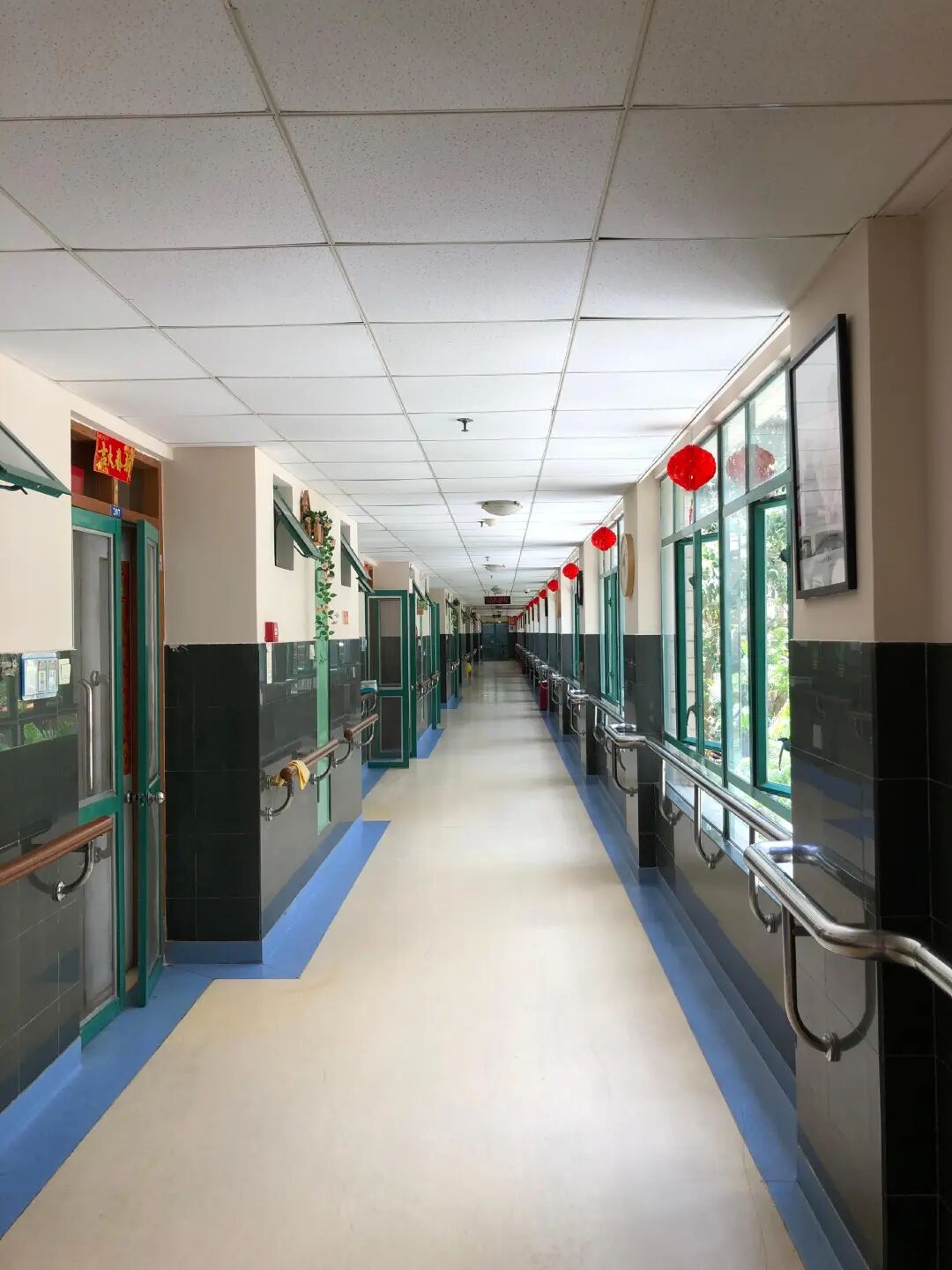
Core Insights - The article discusses the growing trend of Hong Kong seniors choosing to retire in mainland China, particularly in the Guangdong-Hong Kong-Macao Greater Bay Area, driven by a sense of belonging and improved living conditions [1][2]. Policy and Cooperation - In 2023, the Guangdong Provincial Civil Affairs Department and the Hong Kong Special Administrative Region government signed a memorandum to promote cross-border elderly care cooperation, leading to the establishment of the "Guangdong Elderly Care Plan" [1][3]. - As of August 2023, 657 Hong Kong seniors have participated in the Guangdong Elderly Care Plan, which aims to facilitate cross-border elderly care services [1][2]. Market Growth - By 2024, nearly 100,000 Hong Kong residents aged 65 and above are expected to settle in Guangdong, marking a 40.5% increase over the past decade [2]. - The number of recognized service institutions under the Guangdong Elderly Care Plan has expanded to 24, covering eight cities in the Greater Bay Area [2]. Service Providers - The cross-border elderly care ecosystem includes four main participants: professional elderly service operators, insurance companies, public elderly care institutions, and Hong Kong-funded enterprises [4]. - Companies like Chuanxuanmao, a high-end elderly service brand under the Oceanwide Group, play a significant role in this sector by providing quality care and services [4]. Financial Support and Insurance - Hong Kong seniors can benefit from financial support through the Hong Kong Social Welfare Department, which covers accommodation, nursing services, and basic medical expenses when they reside in recognized mainland institutions [3][7]. - Insurance companies are integrating their products with elderly care services, enhancing the appeal of their offerings [4]. Medical Integration - The integration of medical services is crucial for cross-border elderly care, with concerns about medical insurance coverage and the interoperability of medical records being significant issues for Hong Kong seniors [7][9]. - The "Hong Kong-Macao Drug and Medical Device Access" policy has been implemented to allow designated medical institutions in the Greater Bay Area to use drugs and medical devices already approved in Hong Kong and Macao [7]. Challenges and Solutions - The six-month waiting period for Hong Kong seniors to access mainland medical insurance benefits poses a challenge, along with the lack of interoperability in medical data [9]. - Recommendations include enhancing cooperation between Hong Kong's medical authorities and mainland institutions to streamline services and improve accessibility for seniors [9][10]. Future Developments - The Guangdong government is actively attracting Hong Kong service providers to establish elderly care institutions, offering equal treatment in market access and tax incentives [10]. - Financial services are evolving to support cross-border elderly care, with initiatives like the "Bank-Medical Link" service facilitating payment processes for Hong Kong seniors [10].
智慧系统让护理员有更多精力投入照护
Xin Jing Bao· 2025-11-24 04:06
Core Viewpoint - The article highlights the evolving perception of nursing homes in Beijing, showcasing modern facilities that provide personalized care and advanced technology to support elderly residents during their recovery and daily life [1][4][8]. Group 1: Experience in Nursing Homes - The experience of elderly residents in nursing homes is increasingly positive, with families discovering that modern facilities offer tailored care plans and a clean, comfortable environment [2][3]. - Families can monitor their loved ones' health through mobile applications, allowing for real-time updates on their condition [3]. Group 2: Cost Structure of Nursing Homes - The cost of nursing home care is a significant consideration for families, with fees typically comprising bed fees, care fees, and meal costs, which vary based on individual care needs [4][5]. - The pricing structure is transparent, and families can access detailed information about costs through the Beijing Elderly Care Service website [5]. Group 3: Technological Integration in Care - The nursing home employs a smart care system that utilizes non-contact sensors to monitor residents' health metrics, ensuring continuous oversight and quick response to emergencies [6][7]. - The integration of AI and smart technology allows for personalized care plans based on over a hundred health indicators, enhancing the quality of care provided [6][10]. Group 4: Personalized Care Services - The nursing home emphasizes individualized care, including tailored meal plans developed in consultation with residents, to enhance their dining experience [8][9]. - Care staff focus on improving residents' self-sufficiency and psychological well-being, implementing training programs to help them regain independence in daily activities [9][10].