政教分离

Search documents
韩国朝野为何一致同意彻查统一教?
Huan Qiu Shi Bao· 2026-01-20 04:54
Core Viewpoint - The Unification Church, implicated in political interference in South Korea, has raised concerns about its influence on elections and policy-making, prompting calls for investigations and potential disbandment of the organization [1][10]. Group 1: Unification Church's Political Influence - The Unification Church, officially known as the "World Peace Unification Family Association," has been accused of bribing political figures and interfering in elections, particularly during the 2022 presidential election [2][3]. - The church's former leader, Yoon Kyung-ho, allegedly provided illegal political funds to members of the National Power Party, indicating a deep entanglement with political processes [3]. - Investigations revealed that approximately 110,000 members of the National Power Party may be affiliated with the Unification Church, highlighting its significant political presence despite a relatively small number of adherents compared to mainstream religions [3][4]. Group 2: Structural Issues in South Korean Politics - The political system in South Korea has been criticized for its inability to effectively prevent external organized influences, such as religious groups, from infiltrating political processes [8][11]. - The relationship between political figures and religious organizations is characterized by mutual dependency, where politicians may rely on the mobilization capabilities of these groups during election cycles [7][8]. - Calls for reform emphasize the need for clearer regulations regarding the political involvement of religious organizations, including potential changes to electoral laws and party regulations [11]. Group 3: Broader Implications and Reactions - The ongoing scandal has led to significant political fallout, with members of both major political parties implicated, raising questions about the integrity of South Korea's democratic processes [9][10]. - The government is considering the feasibility of disbanding the Unification Church, a move that could have substantial political repercussions given the involvement of various political figures [10]. - Comparisons have been drawn to Japan's handling of similar issues, suggesting that South Korea could benefit from implementing stricter regulations to separate religious organizations from political influence [11].
【环时深度】韩国朝野为何一致同意彻查统一教?
Huan Qiu Shi Bao· 2026-01-19 22:59
Core Viewpoint - The Unification Church, implicated in political interference in South Korea, has raised concerns about its influence on elections and policy-making, prompting calls for a special investigation into its activities [1][2][3]. Group 1: Unification Church's Political Influence - The Unification Church, founded by Moon Sun-myung, has expanded its influence beyond religious activities into political realms, allegedly engaging in bribery and election interference [2][3]. - The church reportedly provided illegal political funding during the 2022 presidential election, with evidence suggesting connections to key political figures [3][4]. - Investigations revealed that the church mobilized its followers to support political candidates, including the current president, Yoon Suk-yeol, during elections [3][4]. Group 2: Structural Issues in South Korean Politics - The political system in South Korea has shown vulnerabilities, allowing external organized groups like the Unification Church to penetrate political processes easily [8][9]. - There is a mutual dependency between some political figures and religious organizations, which complicates the separation of church and state [7][8]. - The lack of stringent regulations governing the political involvement of religious organizations has led to significant challenges in maintaining democratic integrity [8][10]. Group 3: Calls for Reform and Investigation - Following the revelations of the Unification Church's activities, there have been calls from religious leaders and politicians for the dissolution of the church and similar organizations [10][11]. - The South Korean government is considering legal reforms to establish clearer boundaries between religion and politics, aiming to prevent undue influence from religious groups [10][11]. - Comparisons have been drawn to Japan's approach to similar issues, suggesting that South Korea could benefit from implementing stricter regulations on religious organizations' political activities [11].
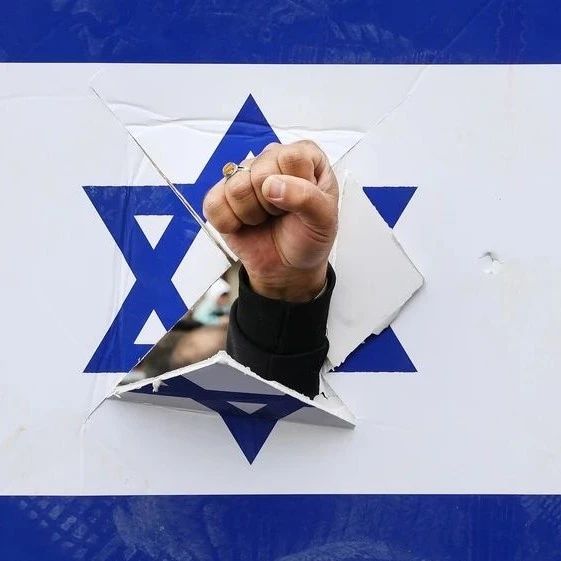
以色列暴走中东,阿拉伯国家为啥集体装睡?
虎嗅APP· 2025-06-21 02:57
Core Viewpoint - The article discusses the complex geopolitical dynamics in the Middle East, particularly focusing on the relationships between various countries and their stances towards Israel and Iran. It highlights that internal divisions among Muslim sects and national interests significantly influence these relationships, leading to a lack of unified action against Israel despite its aggressive policies [1][2][3]. Group 1: Egypt and Jordan - Egypt, the largest Arab country, has historically led wars against Israel but has since recognized Israel and established a strategic partnership, including significant economic cooperation and military aid from the U.S. [7][8] - Jordan, facing economic challenges and water scarcity, has shifted from opposition to Israel to a more cooperative stance, relying on Israeli technology for water resources [10][11]. Group 2: Saudi Arabia and UAE - Saudi Arabia has shown signs of warming relations with Israel but remains focused on its internal issues and the threat posed by Iran, which it views as a greater concern than Israel [12][13][16]. - The UAE, prioritizing economic stability and peace, has established military and trade relations with Israel, viewing it as a counterbalance to Iranian influence [17]. Group 3: Smaller Nations and Qatar - Smaller nations like Lebanon and Syria are largely sidelined in the conflict, with Lebanon's economy in ruins and Syria's situation unstable [18][19]. - Qatar maintains a unique position, being a significant supporter of Hamas while also hosting a major U.S. military base, thus balancing its relationships with both Iran and the U.S. [20][21]. Group 4: Turkey and Iran - Turkey, despite its NATO membership and historical ties with Israel, is currently preoccupied with domestic economic issues and internal conflicts, limiting its engagement in the Israel-Iran dynamic [23][25]. - Iran, facing severe economic challenges and internal unrest, has been cautious in its military engagements, often responding to Israeli actions without escalating to full-scale conflict [26][28]. Group 5: Overall Regional Dynamics - The overarching theme is that many Middle Eastern countries prioritize internal stability and economic concerns over military confrontations, leading to a general reluctance to challenge Israel directly [31][32]. - The article concludes that the socio-economic pressures faced by these nations contribute to a collective desire for peace and stability, which Israel exploits to further its own agenda [33].