政策看跌期权(Fed Put)

Search documents
Exness: 美股在货币政策的“盲飞”与底线思维
Sou Hu Cai Jing· 2025-11-26 02:03
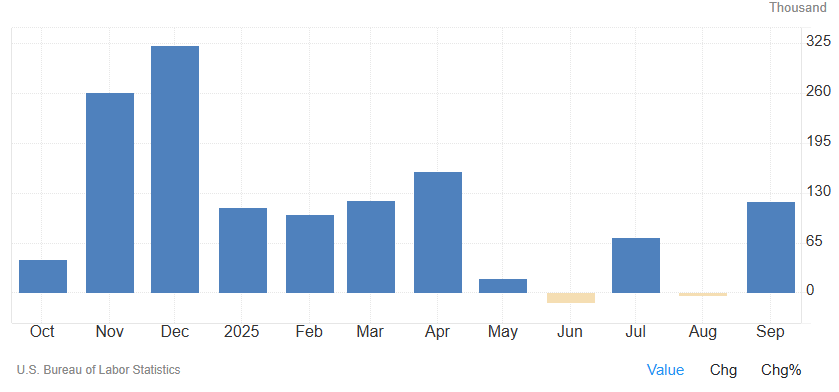
Core Insights - The Nasdaq 100 Index is currently hovering above a critical technical support level after experiencing significant volatility, reflecting the conflicting dynamics of strong fundamental data and structural concerns over the "AI bubble" [1] - The Federal Reserve's policy focus has shifted from "anti-inflation" to "growth preservation," with the market pricing in an approximately 80% probability of a 25 basis point rate cut in December [2] - Nvidia reported impressive Q3 2025 fiscal year earnings of $57 billion, but the market's reaction indicates new anxieties regarding "circular revenue" risks and the sustainability of capital expenditures among large tech companies [2][7] Market Dynamics - The absence of key economic indicators due to the recent government shutdown has created a "data vacuum," complicating macroeconomic assessments and leading to increased reliance on private sector data [1][5] - The September non-farm payroll report showed a lower-than-expected job addition of 119,000, with an increase in the unemployment rate to 4.4%, raising concerns about the cooling labor market [3] - The private sector data, such as the S&P Global PMI, indicates rising input cost inflation, further complicating macroeconomic judgments amid the absence of official data [5] AI Sector Concerns - Nvidia's financial performance has raised questions about the sustainability of its revenue model, particularly regarding its investments in AI startups that may create a misleading perception of revenue growth [7][8] - The market is transitioning from an "emotion-driven" narrative to a more stringent "ROI validation" phase for AI stocks, reflecting a shift in investor sentiment [2] - Concerns about inventory levels and accounts receivable have emerged, as Nvidia's management indicated rising inventory to meet demand, which could signal potential channel inventory buildup [7] Seasonal Trends - The Thanksgiving week historically shows strong seasonal characteristics in the stock market, with an average increase of 0.37% despite lower trading volumes [11][12] - The current market environment, characterized by data absence and valuation disputes in the AI sector, necessitates a cautious approach to investment strategies during this period [12]