
数字孪生工程

Search documents
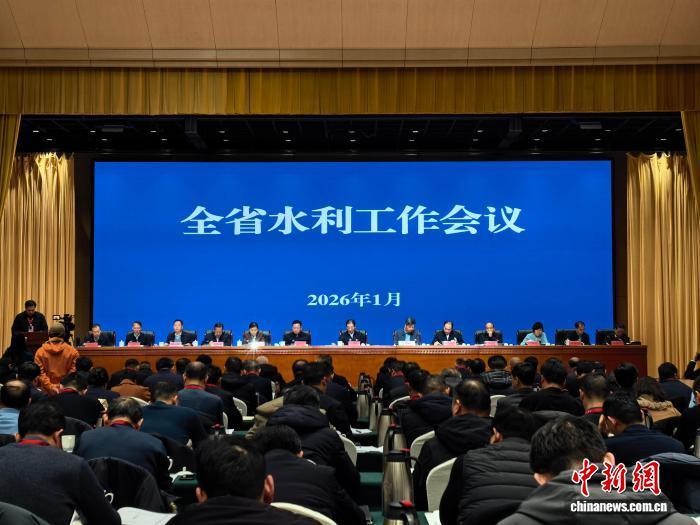
河南水利建设去年完成投资668亿元 全年新开工项目1663个
Zhong Guo Xin Wen Wang· 2026-01-21 02:16
Core Viewpoint - The Henan province is set to achieve a historic high investment of 66.8 billion yuan in water conservancy construction by 2025, with a total of 1,663 new water projects initiated in the year [4]. Group 1: Investment and Projects - By 2025, the total investment in water conservancy construction in Henan province will reach 66.8 billion yuan, marking a historical peak [4]. - A total of 1,663 new water projects will be initiated in the year [4]. Group 2: Disaster Prevention and Management - The water conservancy department will enhance flood and drought disaster prevention efforts, including the establishment of 11 new hydrological stations and 150 rain gauge stations [4]. - The department will address 714 risk hazards and appoint 96,200 flood prevention personnel, forming 119 emergency response teams with over 10,000 members [4]. Group 3: Water Resource Management - The province will strengthen water use regulation with 17,000 online metering facilities connected to the provincial platform [5]. - Water-saving management will be intensified, with all industrial and service units using over 10,000 cubic meters of water annually subject to planned water management [5]. Group 4: Ecological and Rural Development - In 2025, the rural water conservancy infrastructure will be further solidified, with 13 large and medium-sized irrigation areas undergoing modernization and restoration, adding 2.88 million mu of irrigated area [5]. - The rural drinking water safety quality improvement initiative will see the construction and renovation of 501 water supply projects, achieving a rural tap water coverage rate of 97% and a large-scale water supply coverage rate of 67% [6].

河南水利建设2025年完成投资668亿元
Zhong Guo Xin Wen Wang· 2026-01-21 00:38
Core Insights - In 2025, Henan Province plans to achieve a historical high investment of 66.8 billion yuan in water conservancy construction, with 1,663 new water projects initiated throughout the year [1] - The province will enhance flood and drought disaster prevention efforts, including the establishment of 11 new hydrological stations and 150 rain gauge stations, as well as the formation of 119 emergency response teams [1] - Water resource management will be strengthened with 17,000 online metering facilities connected to the provincial platform, and all industrial and service units with annual water usage over 10,000 cubic meters will implement planned water management [2] Group 1: Water Conservancy Investment and Projects - The total investment in water conservancy construction in Henan for 2025 is set at 66.8 billion yuan, marking a record high [1] - A total of 1,663 new water projects will be initiated in the year, including the completion and acceptance of key projects such as the comprehensive management of the Jialu River and the Xixia Yuan water conservancy hub [1] - The province is accelerating the development of digital twin projects, including the provincial water conservancy digital twin platform [1] Group 2: Disaster Prevention and Water Resource Management - Henan will implement robust flood and drought disaster prevention measures, including the establishment of 9.62 million flood prevention responsibility holders and the storage of 459 million yuan worth of flood and drought relief materials [1] - The province successfully managed to defend against significant floods and severe drought conditions, effectively responding to 16 strong rainfall events and 2 major drought occurrences [1] - Water resource management will see the implementation of planned water management for all industrial and service units with significant water usage, alongside the ecological flow regulation for 29 key rivers [2] Group 3: Rural Water Infrastructure and Ecological Initiatives - In 2025, rural water infrastructure will be further strengthened, with 13 large and medium-sized irrigation areas undergoing modernization and an additional 2.88 million acres of irrigation area restored [2] - The province will complete the connection and renovation of 34,800 kilometers of rural ditches, and the rural tap water coverage rate is expected to reach 97% [2] - An ecological clean small watershed initiative will see the construction of 20 projects, with an additional 842 square kilometers of soil erosion control area established [2]
智创驱动 构画水网
Xin Lang Cai Jing· 2025-12-21 22:46
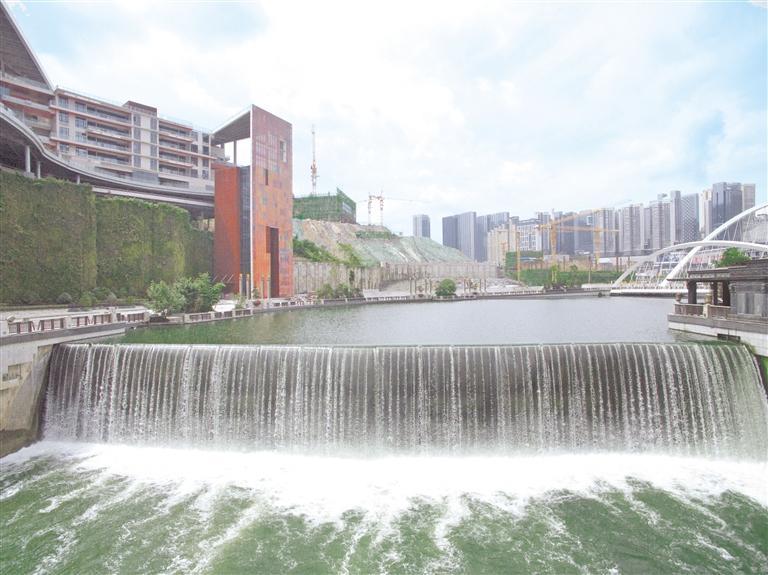
Core Viewpoint - The article emphasizes the critical role of Guizhou Water Resources and Hydropower Survey and Design Institute in addressing engineering water shortages and advancing high-quality water conservancy development in Guizhou during the 14th Five-Year Plan period [9][24]. Group 1: Water Resource Management and Infrastructure Development - Guizhou's geographical characteristics and karst topography have historically led to engineering water shortages, which are now being addressed through major water source projects [9][10]. - The institute has been pivotal in the planning, surveying, and design of significant water conservancy projects, transforming the "water scarcity" situation into a new paradigm of effective water storage and distribution [10][11]. - Key projects include the Xuanwei Reservoir, which has a total investment of 5.234 billion yuan, enhancing flood control capabilities and ensuring safe drinking water for over 830,000 people [11][12]. Group 2: Technological Innovation and Environmental Protection - The institute has introduced innovative technologies such as the "floating gate + isolation gate" water intake system and "self-supporting steel arch pipe" technology, significantly improving project efficiency and reducing environmental impact [11][12]. - Environmental protection initiatives include the establishment of fish passage facilities and ecological flow management to maintain biodiversity and support local ecosystems [13][14]. - The institute has undertaken over 200 ecological and environmental protection projects, expanding its influence beyond Guizhou to other provinces [15][21]. Group 3: Digital Transformation and Smart Water Management - The introduction of digital twin technology has enhanced monitoring and management capabilities, reducing flood forecasting time from one hour to ten minutes [17][20]. - The use of advanced surveying technologies has improved the accuracy and efficiency of topographic mapping in challenging terrains [16][20]. - The institute is developing a comprehensive digital twin water management system that integrates various monitoring and control functions [17][20]. Group 4: Diversification and Market Expansion - The institute is diversifying its services beyond traditional water conservancy to include sectors such as renewable energy, transportation, and urban development, aligning with national strategies [21][22]. - It has successfully completed numerous projects in new energy and infrastructure, demonstrating its adaptability and commitment to innovation [21][22]. - The institute is also expanding its reach internationally, participating in projects under the Belt and Road Initiative, showcasing Guizhou's water management expertise [22][23]. Group 5: Talent Development and Future Outlook - The institute prioritizes talent development, establishing research platforms and partnerships to foster innovation and collaboration [23]. - Looking ahead, the institute aims to continue leveraging technological advancements to address water scarcity and enhance ecological protection, contributing to national water security and sustainable development [24].
行走江河看中国|治淮75年:从“人海战术”到智慧调度
Zhong Guo Xin Wen Wang· 2025-10-13 23:14
Core Viewpoint - The article highlights the transformation of the Huai River management from passive defense to proactive control, showcasing advancements in technology and engineering over the past 75 years, which have significantly improved flood management and water resource allocation [1][2][4]. Group 1: Historical Context - The Huai River was historically known as one of the most difficult rivers to manage in China, with an average of 94 floods every century from the 16th century until the founding of the People's Republic of China [2]. - The management approach relied heavily on manpower, exemplified by the 1991 flood disaster where temporary shelters were set up for displaced residents, and flood control was primarily reactive [2]. Group 2: Engineering Developments - The Huai River basin has seen the construction of over 8,600 reservoirs, 86,000 kilometers of levees, and more than 40,000 sluices, forming a comprehensive flood control system capable of withstanding the largest floods since the establishment of New China [2][4]. - The completion of the Huayuan Lake flood control gate in 2020 marked a shift from uncontrolled flooding to managed flow, enhancing flood control capabilities [3]. Group 3: Technological Innovations - The implementation of the "Four Preventions" system (forecasting, early warning, drills, and plans) has become a core operational system for flood management, achieving a maximum flow forecasting error of less than 10% [4]. - The system successfully predicted the maximum water level of Hongze Lake at 13.60 meters with an error of only 3 centimeters, demonstrating the effectiveness of advanced forecasting techniques [4]. Group 4: Future Prospects - The integration of digital technologies and AI in river management is expected to enhance efficiency and precision, moving towards a more scientific and comprehensive management approach [5][6]. - The ongoing development of digital twin technologies for river basins and water networks aims to further improve water resource management and flood control strategies [6].
向祖国报告|古贤水利枢纽工程建设驶入“快车道” 筑牢守护黄河安澜“新基石”
Yang Guang Wang· 2025-10-02 11:24
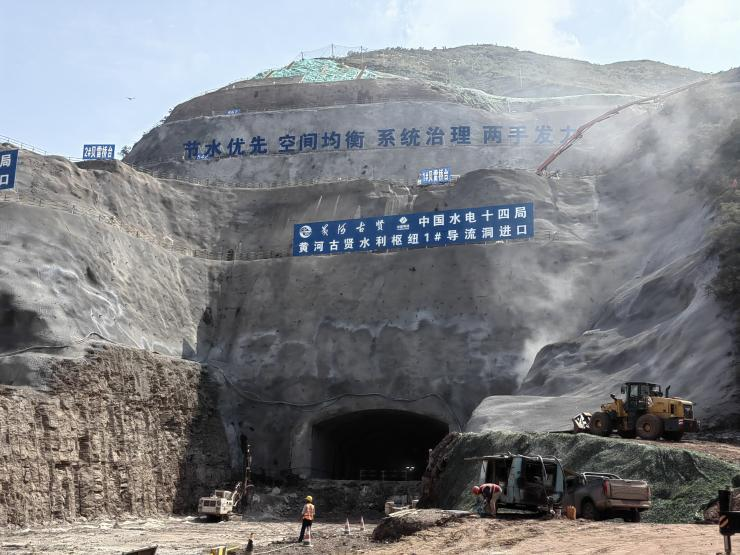
Core Viewpoint - The Huanghe Guxian Water Conservancy Hub Project is a significant infrastructure initiative aimed at addressing sediment control and water resource management in the Yellow River basin, with construction progressing rapidly and innovative technologies being employed to enhance efficiency and safety [1][5][7]. Group 1: Project Overview - The Guxian Water Conservancy Hub is a major water conservancy project located approximately 10 kilometers upstream from the Hukou Waterfall, designed to work in conjunction with the Xiaolangdi Reservoir to mitigate sediment accumulation in the Yellow River [3][4]. - The project is part of a broader national strategy to optimize water resource management and enhance ecological protection in the Yellow River basin, which includes seven key engineering projects [4][5]. Group 2: Construction Progress - As of the recent reports, the excavation of the lower section of the diversion tunnel has reached approximately 60% completion, with plans to achieve full tunnel connectivity by mid-December, ahead of schedule by 2.5 months [2][7]. - During the National Day holiday, over 1,400 workers were on-site to ensure the project progressed smoothly, focusing on the second layer of the diversion tunnel excavation and preparations for concrete lining [3][7]. Group 3: Technological Innovations - Advanced equipment such as intelligent rock drilling rigs is being utilized, which can automatically position drill holes with an accuracy of less than 5 millimeters, improving efficiency by over 30% compared to traditional methods [1][5]. - The project is also implementing a "digital twin" system to monitor and manage the construction process in real-time, enhancing safety and operational efficiency [5][6]. Group 4: Environmental and Economic Impact - Upon completion, the Guxian project is expected to significantly reduce sediment accumulation in the lower Yellow River, ensuring the riverbed remains stable and supporting sustainable water resource management [4][5]. - The project aims to promote high-quality economic and social development in the Yellow River basin, contributing to ecological protection and the overall health of the river system [4][5].
李国英率国家防总检查组检查湖南湘江、资水流域防汛备汛工作
Shui Li Bu Wang Zhan· 2025-05-08 18:13
Group 1 - The core message emphasizes the importance of implementing flood prevention measures and adhering to the directives of the central government to ensure public safety and stability during flood seasons [1][2][3] - The inspection team, led by the Minister of Water Resources, focused on assessing flood prevention work in various regions, including the Xiangjiang and Zishui river basins, and identified weaknesses in current flood control measures [1][2] - A modern rainwater monitoring and forecasting system is to be established, integrating satellite, radar, and hydrological networks to enhance flood prediction accuracy and extend the forecast period [2][3] Group 2 - The need for a comprehensive defense system that includes responsibility allocation, decision support, and command coordination is highlighted to ensure effective flood management [3] - Emphasis is placed on the importance of early warning systems and organized evacuation plans to protect vulnerable populations from potential flood risks [3] - The management of small and dangerous reservoirs, as well as key levees, is crucial for flood preparedness, with a focus on proactive measures and early detection of potential hazards [3]