
数字赋能乡村治理

Search documents
沈阳民政公布2025年“十件大事”
Xin Lang Cai Jing· 2026-02-02 23:09
Core Insights - In 2025, Shenyang's civil affairs system has made significant progress in enhancing social welfare, focusing on key areas such as elderly care, support for vulnerable groups, and child welfare, thereby establishing a more effective and compassionate civil service system. Group 1: Elderly Care Initiatives - Shenyang organized a series of "Respect for the Elderly Month" activities, featuring around 170 events aimed at promoting health and rights for the elderly [2] - The city secured 53.28 million yuan in national subsidies for elderly care, targeting support for moderately disabled seniors and alleviating family caregiving pressures [3] - The total sales of Shenyang's welfare lottery reached 1.878 billion yuan, ranking first in Northeast China, with 544 million yuan allocated for public welfare [8] Group 2: Child Welfare Developments - Shenyang established the province's first regional children's welfare center, providing tailored support for over 450 socially disadvantaged children [5] Group 3: Social Assistance and Community Support - The city implemented a comprehensive assistance model, serving 85,000 disadvantaged individuals and successfully aiding 3,378 homeless people throughout the year [4] - Shenyang's civil affairs system has innovated by integrating charity with various sectors, raising 156 million yuan through diverse charitable initiatives [7] Group 4: Technological Advancements in Services - The launch of the "Shenyang Funeral 96144" app streamlined funeral services, improving efficiency by over 30% and reducing average funeral costs by more than 1,500 yuan [10]
如何蹚出“数字赋能”乡村治理“新路子”?来看让群众少跑路的生动实践
Yang Shi Wang· 2025-12-24 03:01
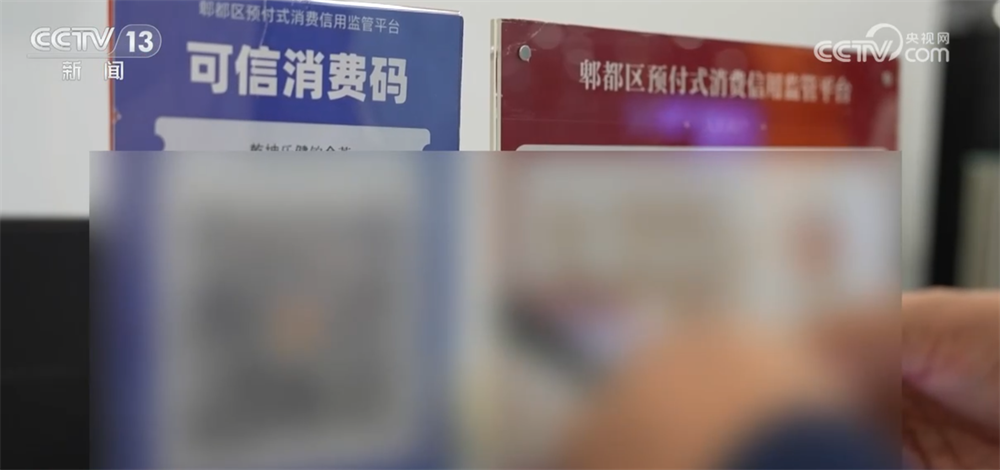
Core Viewpoint - The article discusses the implementation of a credit supervision platform for prepaid consumption in Chengdu's Pidu District, aimed at enhancing rural governance and consumer protection through digital means [1][3]. Group 1: Governance and Consumer Protection - The "Fengqiao Experience" is emphasized in the 14th Five-Year Plan, focusing on improving rural governance and community management through online and offline collaboration [1]. - A credit supervision platform has been established to manage prepaid consumer funds, ensuring that money is not directly transferred to merchants but held in a regulated account [3]. - The platform targets high-risk industries such as fitness, beauty, and education, locking 20% to 35% of prepaid funds based on the merchant's risk level to prevent fraud [3]. Group 2: Data-Driven Decision Making - The Pidu District's governance has shifted from experience-based decision-making to data-driven approaches, utilizing data from various departments to identify and address conflict hotspots [8][10]. - The integration of data from courts, public security, and other departments allows for timely intervention in disputes, enhancing the efficiency of conflict resolution [8][10]. Group 3: Conflict Resolution Mechanisms - The district has developed online appointment systems for mediation, AI consultations, and digital platforms to facilitate conflict resolution at the community level [17][22]. - A case study illustrates how a local resident resolved a neighborhood dispute through the online mediation platform, demonstrating the effectiveness of the system in reducing the need for physical travel [17][25]. - The establishment of over 400 merchants on the platform and more than 100,000 transactions has led to a significant decrease in consumer complaints, promoting a better business environment [7].

持续推进数字赋能乡村治理协同发展
Xin Hua Ri Bao· 2025-06-04 23:06
Core Viewpoint - The application of digital twin technology in rural governance is transforming traditional management practices, enhancing efficiency and enabling a shift from experience-based to technology-driven governance [1][2][5]. Group 1: Digital Technology Integration - Traditional rural governance faces challenges such as insufficient information sharing and lack of coordination among governance entities, which digital technology addresses by reshaping governance relationships through data flow [2]. - In Zhejiang Deqing, a comprehensive digital village map integrates data from 58 departments and 282 categories, facilitating dynamic visualization of land, population, and industry while breaking down data silos [2]. - Yangjiazhuang Village's digital twin management platform consolidates various data dimensions, presenting key elements of rural governance in a centralized visual format [2]. Group 2: Redefining Governance Entities - The "hollowing out" of rural areas during urbanization is being addressed by digital technologies that redefine the spatial relationships of governance entities [3]. - The Jiangxi "Ganfu Tong" platform allows migrant workers to participate in land allocation decisions, thus redefining the physical boundaries of village autonomy [3]. - Blockchain technology in Suzhou's Xiangcheng district enhances transparency and accountability in managing collective rural assets, shifting villagers' roles from passive observers to active verifiers [3]. Group 3: Institutional Innovation - The rapid evolution of digital technology presents challenges in aligning with existing governance frameworks, leading to issues such as the widening digital divide and cultural impacts [4]. - Jiangsu's practices illustrate institutional innovations that empower governance through technology, such as training programs for farmers in digital skills and the establishment of guidelines for digital rural construction [4]. - The "Digital Rural Construction Guide" in Jiangsu sets technical standards for data collection, platform interfaces, and security measures, promoting adaptability in digital governance systems [4]. Group 4: Cultural Preservation in Digital Governance - The modernization of rural governance must also consider the preservation of local cultural values against the backdrop of technological advancement [5]. - The "Zhu Bamboo Xiangxi" interactive game promotes traditional bamboo weaving skills, generating over 30 million yuan in revenue while fostering cultural heritage and intergenerational recognition [5]. - The ultimate goal of rural digitalization is to create a symbiotic system between digital twins and cultural roots, balancing technological innovation with humanistic care [5][6].