数据价值挖掘

Search documents
深度解析,如何使用本无名片app
Sou Hu Cai Jing· 2026-02-25 02:32
Core Concept - The article discusses the innovative application "Ben Wu Ming Pian," which aims to revolutionize the way individuals exchange information and build connections by creating a new social networking ecosystem with a capacity of 1 million circles [3][4]. Group 1: Features and Innovations - The application offers powerful electronic business card creation, allowing users to generate dynamic cards in just one minute, but its true innovation lies in "circle management" [4]. - Users can create independent circles for different contexts, such as "2026 Industry Summit" or "East China Supplier Partners," transforming contacts into a contextual and traceable network rather than a flat list [4][6]. - The app supports deep relationship management, where contact information can be updated automatically when a connection changes jobs or achievements, enhancing the relevance of interactions [7]. Group 2: Functionality and User Experience - The application facilitates seamless card exchange in various scenarios, whether in-person or via WeChat, and includes a "network discovery" feature that intelligently suggests high-value connections based on location, industry tags, and shared circles [8]. - All interactions and exchanges generate data that can be analyzed to provide insights on networking health, reminding users of important contacts and areas where they have made new connections [10]. - Unlike traditional social platforms, which can be overwhelming, this application creates a focused environment for professional interactions, serving as a complement to WeChat rather than a replacement [13][15]. Group 3: Market Positioning - "Ben Wu Ming Pian" positions itself as a professional meeting space, contrasting with the chaotic nature of broader social platforms, and aims to integrate various needs into a cohesive solution [15]. - The application targets not only individual users but also freelancers and businesses, allowing them to manage complex social graphs effectively [6].


数智化提升高校教育数据治理效能
Xin Hua Ri Bao· 2025-11-17 23:21
Core Insights - The integration of artificial intelligence (AI) in education is transforming talent cultivation, scientific research, and campus governance, becoming a key support for the digital transformation of higher education institutions [1] - AI consists of three core elements: data, algorithms, and computing power, with data being a fundamental resource that significantly influences the effectiveness of AI models in educational applications [1] Group 1: Human-Machine Collaboration - The structure of educational data governance is shifting from a binary relationship of "teacher-student" to a triadic collaboration of "teacher-student-machine," enhancing the role of AI in data recognition, processing, and application [2] - Traditional educational data governance primarily relies on result-oriented data from various business systems, lacking sufficient collection of process-oriented data that reflects teaching activities [2] - Higher education institutions should leverage AI's capabilities in data mining and intelligent feedback to enhance the collection of process-oriented data, thereby enriching educational data resources [2] Group 2: Precision Improvement in Data Quality - Traditional data governance relies heavily on manual management, which can lead to inefficiencies and inaccuracies, making it difficult to identify and rectify data quality issues [3] - Institutions can utilize general large models to create intelligent data governance agents that autonomously perceive, decide, and execute data governance tasks, ensuring data accuracy and completeness [3] - Implementing a proactive data quality monitoring mechanism can shift data governance from reactive remediation to proactive prevention, thereby continuously improving data quality [3] Group 3: Enhancing Data Value through Intelligent Applications - The primary goals of educational data governance are to improve data quality, ensure data security, and extract data value, transitioning from merely solving problems to actively mining value [4] - Institutions should integrate technologies like natural language processing and data mining into the data governance process to facilitate intelligent data collection, cleaning, and classification [4] - By analyzing behavioral data and individual characteristics, institutions can create precise profiles for teachers and students, providing personalized support and unlocking deeper data value [4] Group 4: Establishing a Regulatory Framework for Data Security - The rise of AI in educational data governance presents challenges such as data ethics, privacy risks, and potential data manipulation, necessitating a comprehensive regulatory framework [5][6] - Institutions must establish guidelines for the collection, processing, and usage of sensitive data, ensuring compliance with legal and ethical standards [6] - Implementing encryption and access control measures during data usage can help prevent the spread of erroneous or false information, thereby safeguarding educational data security [6] Group 5: Strategic Response to AI Integration - The deep integration of AI in education not only empowers data governance but also imposes new requirements on institutions to optimize processes and reconstruct governance elements [7] - Institutions are encouraged to seize opportunities and scientifically address challenges by applying intelligent technologies to maximize the inherent value of educational data [7]
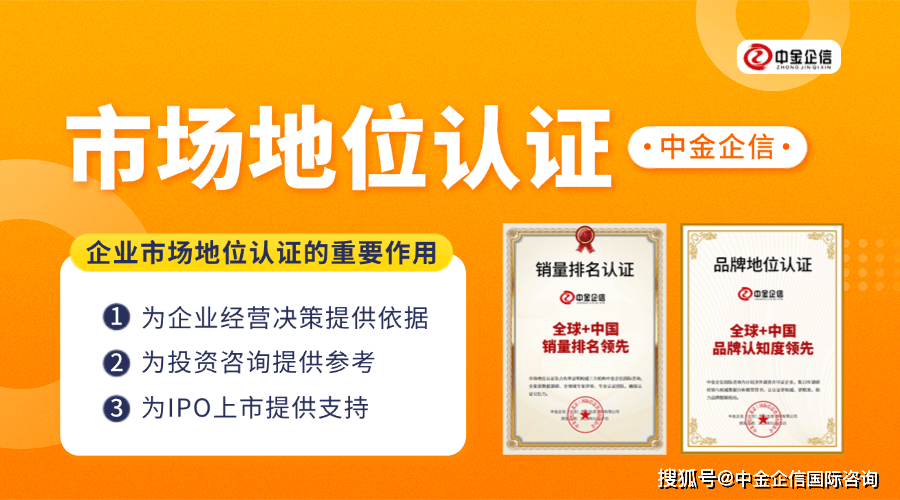
品牌实力证明:帮助企业吸引投资与合作-权威机构中金企信
Sou Hu Cai Jing· 2025-10-16 09:18
Core Insights - CICC International Consulting's core advantages stem from its exceptional data capabilities and specialized research methodologies [2] - The company employs 194 full-time consulting staff, with approximately 37% holding master's or doctoral degrees, and 55% holding bachelor's degrees [2] - The consulting team is supported by around 7,000 external expert consultants, creating an efficient collaboration model [2] Market Position Certification - Market position certification is crucial for reflecting a company's comprehensive strength and product market position, enhancing competitiveness, brand value, and market trust [3] - The certification covers various aspects such as industry leaders, brand rankings, customer satisfaction, and user numbers, applicable across multiple digital and traditional media platforms [3] Game Headset Market Insights - The Chinese game headset market has expanded significantly, growing from approximately 13 billion yuan in 2018 to nearly 27 billion yuan in 2022, with a compound annual growth rate of 12.8% [8] - Wired game headsets dominate the market, accounting for over 60% of the total market size, while wireless headsets are experiencing rapid growth due to technological advancements and consumer demand for portability [8] - Consumer demand is increasingly focused on high sound quality, comfort, durability, and personalized designs [8] Competitive Landscape - The game headset market is becoming increasingly competitive, with domestic and international brands vying for superiority in technology development, product quality, and after-sales service [9] - The growth of online sales channels, driven by internet penetration and the evolution of e-commerce platforms, is expected to create more sales opportunities and market share for the industry [9]