数据化选品

Search documents
航帆跨境深度解读:跨境卖家如何借力TikTok Shop年终大促,实现销量与品牌双飞跃?
Sou Hu Cai Jing· 2025-11-05 04:09
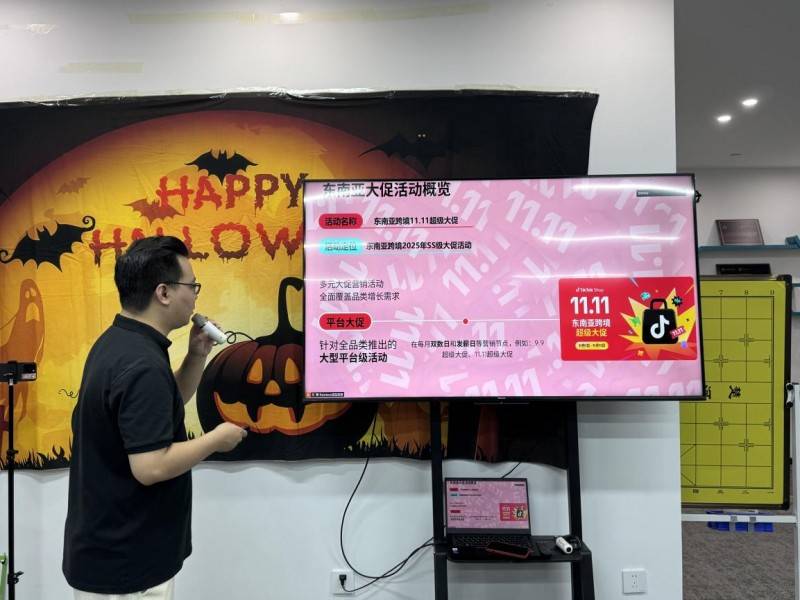
Core Insights - The Southeast Asian e-commerce market is poised for a peak in traffic and sales during the year-end shopping season, presenting both opportunities and challenges for cross-border sellers [1] - TikTok Shop is heavily investing in marketing for the year-end promotions, creating a "traffic black hole" that will significantly increase user engagement and exposure for sellers [3] - Consumer behavior in Southeast Asia has matured, with strong purchasing intent during major sales events like "Double Eleven" and "Double Twelve," leading to shorter decision-making cycles and higher average transaction values [5] Group 1: Market Dynamics - Southeast Asia's unique appeal lies in its young population, rapid mobile internet penetration, and strong social media culture, making year-end promotions a critical battleground for cross-border sellers [3] - TikTok Shop will allocate unprecedented resources for year-end promotions, including various advertising formats and challenges to engage millions of users [3] Group 2: Seller Strategies - TikTok Shop will implement attractive promotional incentives for sellers, such as substantial product price subsidies and exclusive traffic packages for different countries, to enhance competitiveness and maintain profit margins [5] - The preparation for successful promotions involves a systematic approach, categorized into three phases: preparation, execution, and review [6] Group 3: Preparation Phase - During the preparation phase, sellers are advised to utilize data-driven product selection and inventory management to identify potential bestsellers and avoid stockouts [7] - A localized content strategy is essential, with sellers encouraged to create a library of high-quality short videos and a comprehensive live-streaming schedule to maximize engagement [9][10] Group 4: Execution Phase - The execution phase focuses on maximizing traffic through organic and paid strategies, including participation in trending challenges and targeted advertising during key moments [10] - Effective live-streaming techniques, such as creating an engaging atmosphere and real-time data monitoring, are crucial for converting viewers into buyers [11] Group 5: Review Phase - Post-promotion, a thorough review process is necessary to analyze successful strategies and areas for improvement, providing valuable insights for future campaigns [12] - The success of previous campaigns, such as a home goods account that achieved significant growth through strategic execution, highlights the effectiveness of these methods [14][15]

社区团购数据化选品逻辑:郑州团队锁定枣仁派,年销破千万关键?
Sou Hu Cai Jing· 2025-10-27 20:32
Core Insights - The article highlights the transformation of a local community group purchasing team in Zhengzhou, which shifted from a trial-and-error approach to a data-driven product selection strategy, significantly improving sales performance and reducing inventory costs [1][3][10] Group 1: Challenges Faced - The team initially struggled with a low product selection success rate of 40%, leading to 30% of products becoming unsold and incurring high storage and loss costs [1] - The reliance on experience and market trends resulted in frequent missteps and high trial costs [1][3] Group 2: Implementation of Data-Driven Solutions - The introduction of a data analysis system from a specialized company allowed the team to focus on local consumer demand, identifying a 67% increase in search volume for "healthy snacks" and a 120% increase for "枣仁派" [4][5] - The system enabled the team to select the best suppliers by comparing 12 factories based on user ratings, complaint rates, and delivery times, leading to the choice of "好想你" with an 89% user satisfaction rate [6][8] Group 3: Testing and Results - A small batch testing module was implemented, allowing the team to launch only 1,000 units of "枣仁派," which sold out quickly, prompting an increase in supply for subsequent sales [8] - The successful sales of "枣仁派" exceeded 10 million yuan annually and led to the development of four derivative products, with the selection success rate rising to 82% and unsold inventory dropping to 8% [3][8]