数智乡村

Search documents
乡韵依旧 家园常新
Xin Lang Cai Jing· 2026-02-17 18:40
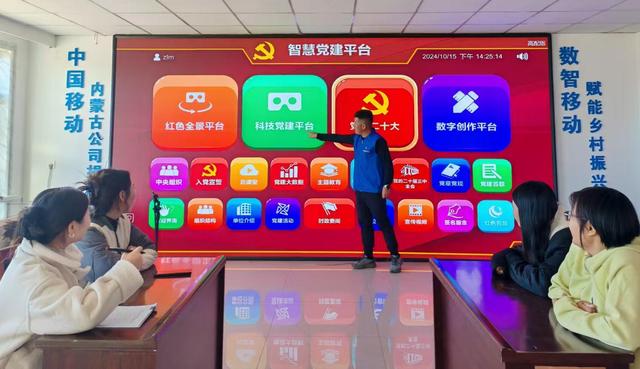
Core Viewpoint - The article highlights the positive transformations in rural areas of Inner Mongolia, emphasizing improvements in housing, income generation, and digital infrastructure, contributing to a better quality of life for residents during the Spring Festival season [2][3][5]. Group 1: Housing Improvements - The article describes the story of a resident, Yu Chunlong, who benefited from a housing reconstruction program after his home was damaged by fire. His new 96-square-meter brick house has significantly improved his living conditions, providing warmth and comfort during the winter [2]. - Inner Mongolia has been actively promoting policies to consolidate poverty alleviation efforts with rural revitalization, focusing on housing, employment, education, and healthcare to ensure the well-being of families [2]. Group 2: Income Generation - The "unified planting and shared prosperity" model in Dalateqi has transformed agricultural practices, allowing farmers to collaborate for better efficiency and profitability. For instance, a farmer named Shi Haishu reported earnings of 33,600 yuan from his 30 acres of land through cooperative management [3]. - The article notes that this model has led to a shift from individual farming to collective efforts, enhancing income through shared resources and risk management, thereby increasing the financial stability of both farmers and village collectives [3][4]. Group 3: Digital Infrastructure - The establishment of a smart party building room in Wushen Yihe Village has enabled residents to access high-speed internet and modern facilities, enhancing community engagement and entertainment during the Spring Festival [5][6]. - Inner Mongolia has made significant strides in digital infrastructure, with initiatives that include remote medical services, digital agriculture, and e-commerce, which are improving rural governance and living standards [6]. - The region has achieved notable milestones in rural development, such as a road network of 180,000 kilometers and a drinking water coverage rate of 85.1%, contributing to enhanced living conditions and environmental quality [6]. Group 4: Future Outlook - Inner Mongolia aims to continue its development efforts, focusing on creating prosperous, ecologically sustainable, and culturally vibrant rural communities, thereby enhancing the overall quality of life for its residents [7].


乡韵依旧、家园常新,这是内蒙古和美乡村的模样
Xin Lang Cai Jing· 2026-02-17 11:13
Core Viewpoint - The articles highlight the positive transformations in rural areas of Inner Mongolia, focusing on housing improvements, income growth through cooperative farming, and advancements in digital infrastructure, all contributing to a better quality of life for residents during the Spring Festival. Group 1: Housing Improvements - The story of Yu Chunlong, a poverty monitoring household, illustrates the impact of housing upgrades, as he moved into a new 96-square-meter brick house before the Spring Festival, enhancing his family's living conditions and overall happiness [2] - The Inner Mongolia government has been actively working to connect poverty alleviation efforts with rural revitalization, improving policies in various sectors such as housing, employment, and healthcare to ensure stability and development [2] Group 2: Income Growth - The "Unified Planting and Shared Prosperity" model in Dalate Banner has allowed farmers like Shi Haishu to benefit from cooperative farming, leading to significant income increases. For instance, he earned 33,600 yuan from his 30 acres of land through cooperative management and an additional 42,000 yuan from infrastructure projects [3] - This model promotes the integration of resources and labor, enabling small farmers to participate in larger agricultural industries, thus enhancing collective income and financial stability for both households and village collectives [3][4] Group 3: Digital Infrastructure and Community Engagement - The establishment of a smart party building room in Wushen Yihe Village has facilitated community engagement through digital means, allowing residents to enjoy shared experiences like watching the Spring Festival Gala together [5][6] - The integration of digital technology in rural governance and services, such as remote medical care and e-commerce, is transforming rural life, with significant improvements in infrastructure like high-speed internet and modern facilities [7] Group 4: Overall Rural Development - Inner Mongolia aims to maintain over 10 million acres of grain planting area by 2025, achieving stable production and ensuring food security through cooperative farming practices [4] - The region has made substantial progress in rural infrastructure, with 99.8% of administrative villages having access to fiber optics, and significant improvements in water supply and waste management, contributing to enhanced living conditions [7]
广州应用科技学院数智乡村产业实验室启动
Nan Fang Du Shi Bao· 2025-12-19 01:26
Core Insights - The Guangzhou Applied Technology University held its first forum for collaboration among schools, towns, and enterprises, launching a digital rural industry laboratory focused on digital governance, intelligent agricultural production, and smart rural tourism [1][2] - The forum resulted in multiple cooperation agreements between the university and 13 town representatives, as well as 10 enterprises, covering areas such as rural revitalization, industrial upgrading, and social governance [1][2] Group 1 - The digital rural industry laboratory will leverage the university's academic and technological strengths, combined with market and industrial resources from enterprises, to promote technology research, results transformation, and talent training [1] - The cooperation agreements signed include projects in AR smart scenic area construction, brand development, and cross-border e-commerce talent cultivation [1] - The university has established a strategic partnership with Lecong Supply and Marketing Group on nine projects, exemplifying collaborative innovation in education and industry [1] Group 2 - The Secretary of the Education Working Committee of Zhaoqing emphasized the urgent need for high-quality talent and advanced technology to accelerate the construction of a modern industrial system [2] - The university plans to enhance its industrial college system and establish new specialized colleges, such as one focused on NetEase Games, to better align with local development [2] - The university aims to deepen collaboration with towns and enterprises to build innovative platforms and cultivate applied talents, contributing to the transformation and upgrading of Zhaoqing's industries [2]
通辽移动:“移”起向新 数智兴农
Zhong Guo Jin Rong Xin Xi Wang· 2025-07-11 07:11
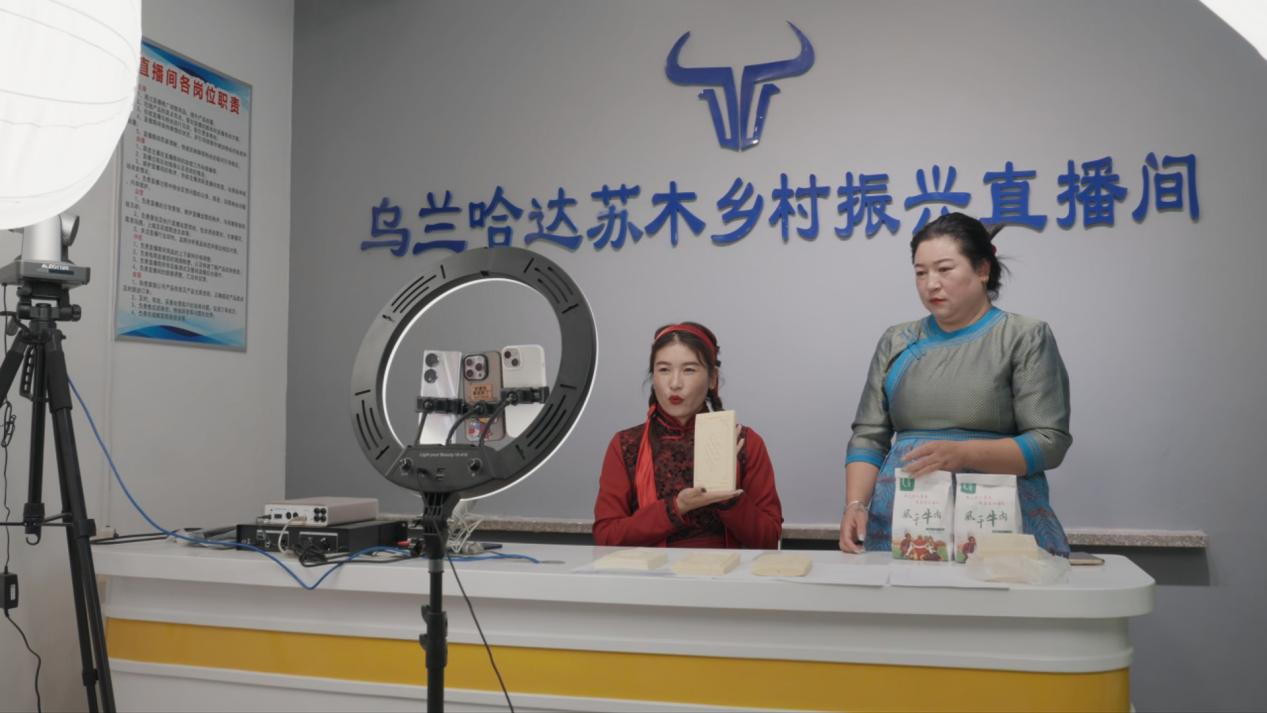
Core Viewpoint - The article highlights how Tongliao Mobile leverages communication technology to enhance rural revitalization efforts, focusing on the integration of 5G networks and smart agricultural practices to boost local economies and improve governance [1][4]. Group 1: 5G and E-commerce Development - The introduction of 5G networks has enabled local herders to engage in live-streaming sales, significantly expanding their market reach and increasing sales revenue [3]. - The sales revenue from live-streaming in Zhalute Banner has surged, transforming digital traffic into tangible income for local farmers [3]. - Tongliao Mobile has established a robust network infrastructure to support rural users, facilitating the growth of new economic models such as e-commerce and live-streaming [3][6]. Group 2: Smart Agriculture Initiatives - Smart greenhouses driven by data management have led to a 35% increase in crop yields and a 22% reduction in production costs [6]. - The implementation of IoT technology in irrigation systems allows for remote monitoring and management, promoting efficient water use and sustainable agricultural practices [6]. - A total of 28,927 IoT cards have been issued for basic farmland management in Tongliao, underscoring the commitment to sustainable agricultural development [6]. Group 3: Intelligent Governance in Rural Areas - The "Smart Village" initiative incorporates intelligent monitoring systems to enhance safety and governance in rural communities [8]. - Smart monitoring features include real-time alerts for security and safety issues, improving community management and response capabilities [8]. - The "Smart Village Revitalization Plan" aims to integrate information technology with agricultural production, promoting comprehensive rural revitalization through digitalization and intelligence [9].