文化传承与传播

Search documents
一抔秦泥连世界 临潼陶俑传习所里的“中国年味”
Xin Lang Cai Jing· 2026-02-13 14:17
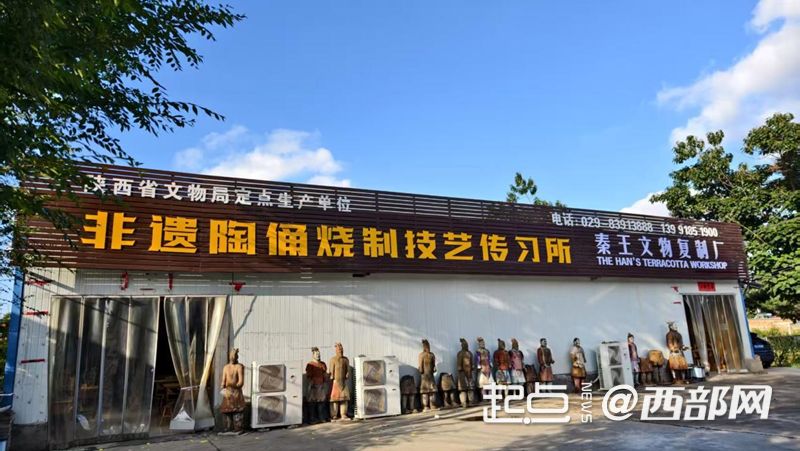
Core Viewpoint - The article highlights the vibrant cultural exchange occurring at the Terracotta Warrior Museum in Xi'an, where visitors engage in hands-on experiences of traditional pottery-making, particularly the creation of terracotta figures, under the guidance of a skilled artisan, Han Mi [1][13]. Group 1: Cultural Experience - The Terracotta Warrior Museum attracts a large number of visitors, especially foreign tourists, who are eager to learn about the ancient art of terracotta figure-making [1][2]. - Visitors, such as Albert from Dubai, express their fascination with Chinese history and culture through their participation in pottery-making, emphasizing the significance of their handmade terracotta figures [5][8]. - The experience is designed to be immersive, allowing tourists to not only observe but also actively participate in the creation of terracotta figures, enhancing their understanding of the craft [9][11]. Group 2: Artisan Background - Han Mi, a representative inheritor of the intangible cultural heritage of terracotta figure-making, has over ten years of experience in the field and aims to modernize the transmission of this ancient craft [8][15]. - Growing up in her father's pottery workshop, Han Mi has developed her skills from the ground up, combining traditional techniques with innovative approaches to attract a global audience [8][9]. - Her educational background in international economics and trade has influenced her strategy for promoting this cultural heritage internationally [8][9]. Group 3: Educational Initiatives - Since 2015, Han Mi has developed a tiered experience program that caters to both individual and group visitors, including courses on mold-making, collaborative pottery, and painting [9][11]. - The workshop has successfully hosted over 5,000 foreign visitors in the past year, with peak days seeing more than 500 participants [9][11]. - The focus of these educational experiences is to provide in-depth explanations of the terracotta-making techniques and the historical context of the figures, fostering a deeper appreciation among participants [9][11]. Group 4: Cultural Significance - The article emphasizes the importance of "living heritage," where traditional skills are integrated into modern life, allowing for a dynamic cultural exchange [11][17]. - Han Mi's new creation, the "Zhu Fu Ma" (Blessing Horse), symbolizes a blend of traditional craftsmanship with contemporary themes, aiming to resonate with modern audiences [11][14]. - The hands-on experiences at the pottery workshop serve as a bridge connecting ancient Chinese culture with the global community, transforming passive observation into active participation [17].

新春将至,侨务部门精心准备新春礼物远寄海外
Xin Lang Cai Jing· 2026-02-09 05:10
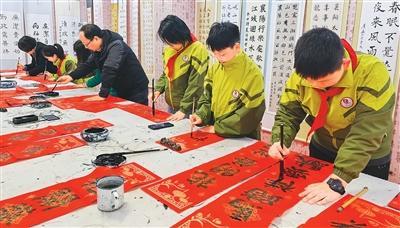
Core Viewpoint - The article highlights the efforts of various local overseas Chinese affairs departments in preparing and sending special Spring Festival gifts to overseas Chinese communities, emphasizing cultural connection and the warmth of home [1]. Group 1: Gift Design and Selection - The design and selection process involved local artists and students, such as calligraphy enthusiasts from Hubei Province, who handwrote 3,000 Spring Festival couplets for overseas Chinese [2][4]. - The gifts included culturally significant items like traditional crafts, local delicacies, and artistic representations of hometowns, aiming to evoke a sense of nostalgia and cultural identity among recipients [4][5]. Group 2: Logistics and Distribution - The logistics of sending these gifts involved careful planning and coordination, with a focus on optimizing transportation routes and costs to ensure timely delivery to various countries [11]. - Local overseas Chinese associations played a crucial role in organizing the distribution of gifts, ensuring that they reached the intended recipients effectively [12][14]. Group 3: Community Engagement and Cultural Exchange - The initiative not only served to connect overseas Chinese with their roots but also fostered cultural exchange with local communities, as seen in events organized around the distribution of gifts [15][19]. - Recipients expressed their appreciation for the gifts, which served as tangible reminders of their heritage and facilitated discussions about Chinese culture among local populations [15][19].