非遗活态传承

Search documents
菏泽|菏泽两项国家级非遗亮相央视出圈
Da Zhong Ri Bao· 2026-02-25 01:29
Core Viewpoint - The article highlights the significance of the cultural IP of Heze, particularly through its national intangible cultural heritage (ICH) showcased in the CCTV program "2026 Non-Heritage Gala," emphasizing the need for Heze to transform its visibility into lasting recognition and cultural impact [2][4]. Group 1: Cultural Significance - The performance of "Zhuangzi Legend" and "Shandong Guqin Music" during the gala received widespread acclaim, showcasing Heze's rich cultural heritage and its ability to resonate with contemporary audiences [2][3]. - "Zhuangzi Legend" is categorized under folk literature in the national ICH list, emphasizing its role in making abstract philosophical ideas accessible and relatable through local narratives [3]. - "Shandong Guqin Music" represents a mature local music system, with Heze being a historical center for guqin, reflecting both classical and folk traditions [3][4]. Group 2: Strategic Opportunities - The gala serves as a platform for Heze to elevate its cultural narrative, transforming a one-time appearance into a sustained cultural presence [4][5]. - Heze has 32 national ICH representative projects and 22 national ICH inheritors, indicating a substantial cultural resource base that can be leveraged for ongoing engagement [4]. - Strategies to maintain interest include creating immersive experiences related to "Zhuangzi Legend," facilitating public participation in "Shandong Guqin Music," and developing continuous content that keeps the cultural narrative alive [5][6]. Group 3: Future Directions - The article suggests that Heze should capitalize on the national exposure from the gala by integrating ICH into daily life, thereby enhancing its economic and social value [6]. - The potential for traditional culture to be reinterpreted in engaging ways for younger audiences is emphasized, indicating a shift towards more accessible cultural expressions [6]. - The successful presentation of Heze's cultural identity through the gala is seen as a foundation for ongoing cultural engagement and tourism development [6].
龙灯马灯闹新春 石湫年俗焕新彩
Xin Lang Cai Jing· 2026-02-24 22:23
Group 1 - The article highlights the vibrant cultural atmosphere in Shiqiao Street, Lishui District during the Spring Festival, showcasing various traditional dragon and horse lantern performances that reflect the rich heritage of the region [1][2] - The dragon dance performances, including the "Double Dragon Dance" and "Four Dragons Dance," are described as grand and unique, with specific rituals that symbolize harmony and prosperity [1] - The revival of the Yangjia Horse Lantern, featuring young performers, and the East Spring Horse Lantern, after years of dormancy, illustrates the dynamic nature of intangible cultural heritage and its appeal to both locals and visitors [2] Group 2 - The performances of dragon and horse lanterns serve as a lively practice of intangible cultural heritage, emphasizing the importance of tradition and innovation in cultural expressions [2] - The community engagement during the performances, with villagers and tourists participating and enjoying the festivities, underscores the role of such events in enriching cultural life and fostering community bonds [2] - The article emphasizes the commitment of Shiqiao Street to preserve and innovate traditional customs, ensuring that local folklore remains vibrant and relevant in contemporary society [2]
遵义:春节文旅盛宴让“红色圣地”焕发青春活力与浓浓年味
Xin Lang Cai Jing· 2026-02-24 09:04
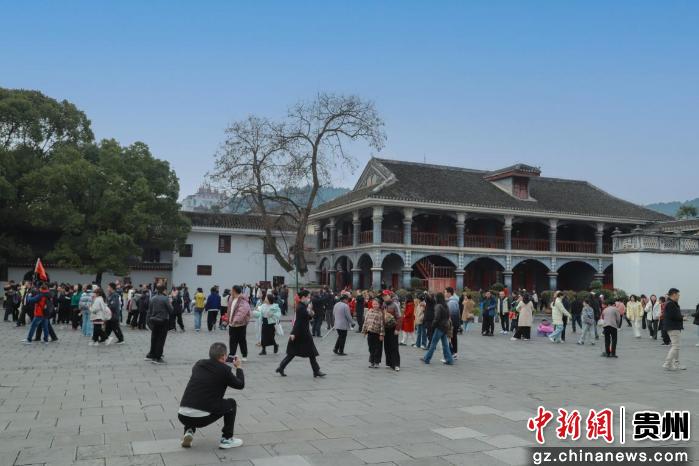
Core Insights - The tourism sector in Zunyi is experiencing significant growth, with a 16.5% increase in visitor numbers during the 2026 Spring Festival, and out-of-province tourists accounting for 30.9% of total visitors, marking a 36.7% increase [1][4] Group 1: Tourism Growth - Zunyi has become a popular destination for Spring Festival tourism, attracting visitors from regions such as Chongqing, Sichuan, and Guangdong [1] - The city received 48.9 million visitors at the Zunyi Conference site, averaging over 60,000 visitors daily during the holiday [4] - The overall visitor count for Zunyi during the Spring Festival reached 352.85 million, with 562 events organized to enhance the festive atmosphere [6] Group 2: Cultural and Entertainment Activities - Various cultural events, including dragon and lion dances, and traditional folk performances, were held across Zunyi, contributing to the festive spirit [6] - The immersive performance "Great Turning Point" had 27 shows during the holiday, maintaining high attendance rates and revenue growth [4] - New activities such as the "West Wind Fierce" theme event at the Laoshan Pass attracted 14,000 visitors, reflecting a 116.15% increase [4] Group 3: Innovative Tourism Experiences - The winter tourism offerings, including ice and snow activities, have seen a surge, with the Sunping Ski Resort receiving 9,400 visitors, a 154.1% increase [7] - The integration of technology in tourism, such as VR experiences at the city museum, led to a 33.5% increase in visitor numbers [4] - New tourism formats, like the "Cave Hot Pot" experience and the waterfall music season, have enhanced visitor engagement and satisfaction [7] Group 4: Management and Safety - The tourism management system in Zunyi ensured safety and quality service during the Spring Festival, with no major incidents reported [9] - The average occupancy rate of monitored accommodations reached 57.07%, an increase of 15.07 percentage points from the previous year [9] - The positive visitor experience has garnered extensive media coverage, with social media engagement reaching over 3.2 billion interactions [9]

沾化:“非遗”进影院“暖场” “一张票根”解锁文化消费新玩法
Xin Lang Cai Jing· 2026-02-23 13:28
Group 1 - The core idea is that the Zhanhua District is innovatively integrating traditional cultural elements, specifically intangible cultural heritage like fishing drum opera and jujube wood carving, into modern cinema experiences to enhance cultural consumption during the Spring Festival [1][2][3] - The cinema has transformed its waiting area into a vibrant "intangible cultural heritage reception hall," where local performances and craftsmanship are showcased, effectively increasing audience engagement and time spent in the venue [1] - Future plans include establishing a cultural exhibition area within the cinema to further immerse audiences in local intangible cultural heritage, enhancing their overall experience and promoting cultural appreciation [1][2] Group 2 - The initiative aims to create a dual empowerment effect by attracting more citizens to the cinema through local intangible cultural heritage, thereby promoting both cultural appreciation and consumer spending [2] - The approach is designed to offer a new cultural consumption experience that is enjoyable, interactive, and allows for tangible takeaways, thereby enriching the traditional movie-watching experience [2]
文博游走热新春,贵州文博场馆持续上新
Xin Lang Cai Jing· 2026-02-21 13:08
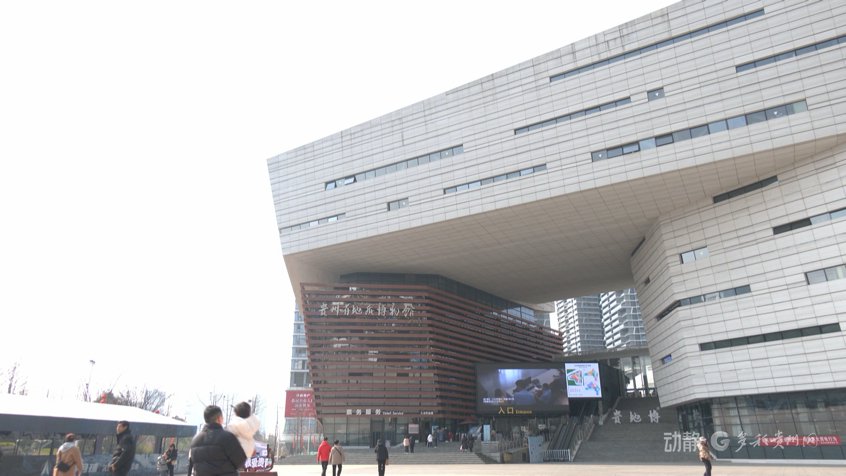
Core Viewpoint - The trend of visiting museums during the Spring Festival has gained popularity among tourists in Guizhou, with various cultural venues enhancing their offerings to meet diverse consumer demands [1][10]. Group 1: Visitor Engagement and Attendance - Guizhou's geological museum hosted the "Celebrating the New Year in the Museum" series, featuring two special exhibitions that combined mineral specimens with art and interactive experiences, attracting over 12,000 visitors since the first day of the lunar new year [1]. - The Guizhou Provincial Museum received over 60,000 visitors from the first to the fourth day of the lunar new year, with significant year-on-year increases of 22.15% and 34.6% on the first and second days, respectively [4]. - The "China Sky Eye" science base allowed visitors to experience advanced technology and astronomy, with tourists expressing a sense of national pride after witnessing the facility [8]. Group 2: Cultural Exhibitions and Themes - The "Horse Dance New Year" exhibition at a museum highlighted the cultural significance of horses, connecting historical and contemporary themes, and attracted families interested in local history [3]. - The integration of digital technology in non-heritage experience spaces at the Wanda Town in Danzhai allowed visitors to interact with traditional crafts, enhancing engagement with ethnic culture [6]. - The Guizhou Provincial Ethnic Museum served as a key venue for tourists to explore the region's diverse cultural heritage, with thoughtful layout and rich exhibits [7]. Group 3: Family and Youth Focus - Families, particularly those with children aged 18 to 30, represented a significant portion of the visitors to the geological museum, indicating a trend towards family-oriented cultural experiences [1]. - The interactive and educational aspects of the exhibitions, such as the use of VR technology, appealed to younger audiences, enhancing their understanding of local culture and history [6][8].
2026“陕北榆林过大年”秧歌展演在榆林古城火热开扭 尽显塞上新春热闹气象
Xin Lang Cai Jing· 2026-02-21 10:05
Core Viewpoint - The "Yulin New Year" Yangge performance in Shaanxi Province showcases traditional culture and attracts significant public interest, with over 190,000 attendees on the first day, indicating a strong revival of cultural events post-pandemic [1] Group 1: Event Overview - The event features 38 Yangge teams and over 3,000 performers, including 16 teams from outside the city [1] - The performances will continue until the seventh day of the Lunar New Year, with additional shows planned for the Lantern Festival [1] Group 2: Cultural Significance - Yulin is recognized as a national-level cultural ecological protection area, emphasizing the importance of intangible cultural heritage [1] - The event aims to promote the living inheritance of traditional culture through continuous performances over the years [1] Group 3: Attendance and Popularity - The first day of the Yangge performance attracted more than 190,000 spectators, setting a new record for attendance [1] - The event reflects the vibrant atmosphere of the New Year celebrations in the region [1]
(新春走基层)非遗活态传承 当绛州鼓乐走进音乐剧
Xin Lang Cai Jing· 2026-02-20 12:24
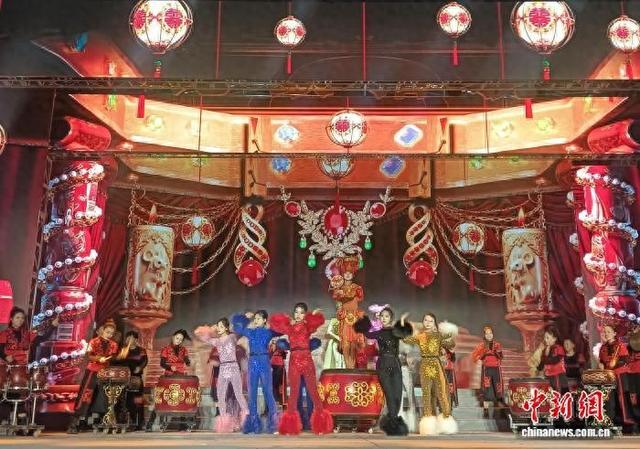
Core Viewpoint - The article highlights the successful integration of traditional Chinese cultural heritage, specifically the Jiangzhou drum music, into a modern musical theater format through the premiere of the musical "Mouse Kingdom Adventure" in Shanxi Province, showcasing the charm and relevance of intangible cultural heritage in contemporary settings [1][3]. Group 1: Performance and Audience Engagement - The musical "Mouse Kingdom Adventure" premiered during the Spring Festival, featuring daily performances that attracted over 1,000 audience members on average [3]. - The production combines Jiangzhou drum music with a narrative that immerses the audience in a whimsical world, enhancing the overall experience with vibrant costumes and impressive stage design [3][5]. - Audience members expressed their appreciation for the innovative presentation of traditional drum music, noting its accessibility and emotional resonance [5][6]. Group 2: Cultural Significance and Artistic Innovation - The storyline of "Mouse Kingdom Adventure" is inspired by the national intangible cultural heritage of Jiangzhou woodblock New Year paintings, specifically the classic work "The Mouse Marries," and conveys themes of reunion and the pursuit of happiness during the New Year [5][6]. - The creative team has successfully merged Western musical theater elements with traditional Jiangzhou drum music, creating a new pathway for expressing intangible cultural heritage [5][6]. - The musical employs a dream narrative structure and anthropomorphism to bridge the gap between traditional culture and younger audiences, making it more relatable and engaging [5][6].
(新春走基层)百年畲乡的共富新景:青春作伴好还乡
Xin Lang Cai Jing· 2026-02-19 11:42
Core Insights - The article highlights the revitalization of the She ethnic community in Yao Mountain Village, Tonglu County, Zhejiang Province, driven by the return of young people who leverage local resources and cultural heritage to create new economic opportunities [1][3]. Group 1: Economic Development - The Non-material Cultural Heritage Agricultural Innovation Park has become a bustling hub during the Spring Festival, showcasing local products like bamboo shoots and traditional snacks, with sales exceeding 700,000 yuan in just over a month [3]. - The park serves as a platform for local farmers to consolidate their products, improving brand recognition and sales through unified standards and packaging [3]. - The initiative has attracted 36 different business models, indicating a successful strategy in fostering local entrepreneurship and economic growth [5]. Group 2: Youth Engagement - Young returnees are actively participating in the local economy, utilizing their skills in digital marketing and product development to modernize traditional offerings [5]. - The presence of a "creative second generation" is noted, with young entrepreneurs like Chen Ting driving innovation in product sales and marketing strategies [5]. - The park also provides training and resources for local youth, encouraging them to engage in various sectors such as agriculture, digital marketing, and cultural promotion [5]. Group 3: Cultural Heritage - The article emphasizes the importance of cultural heritage in attracting young people back to their hometowns, with initiatives aimed at preserving and promoting She medicine and traditional practices [7]. - Activities such as DIY workshops for herbal sachets and health food preparation are designed to immerse visitors in She culture, enhancing cultural appreciation and understanding [7]. - The integration of cultural experiences with tourism is expected to further boost local economic development, with projections indicating significant income growth for the community by 2025 [7].
一马当先南京年| 1700年灯会融入时代新风,夫子庙编织最地道年味
Xin Lang Cai Jing· 2026-02-18 08:04
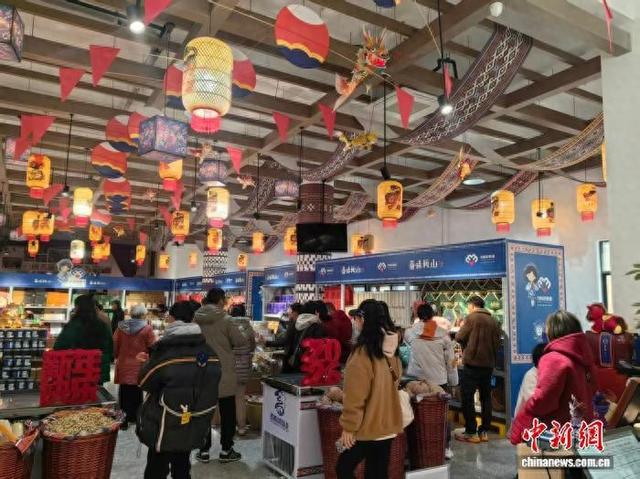
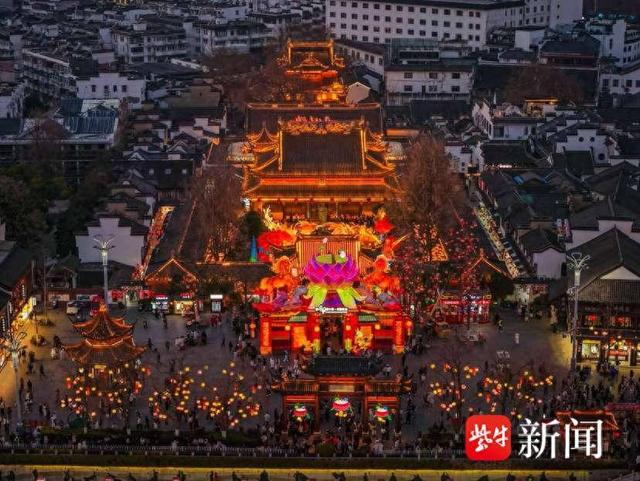
Core Viewpoint - The article highlights the vibrant atmosphere of the Qinhuai Lantern Festival in Nanjing, showcasing the blend of traditional culture and modern consumerism during the Chinese New Year celebrations [1][3][12]. Group 1: Lantern Market and Cultural Significance - The first lantern market at the Confucius Temple has moved west for the first time in over twenty years, featuring over 50 stalls and attracting large crowds from the first day of the Lunar New Year until the 18th [3][7]. - The market reflects a mix of traditional lantern craftsmanship and contemporary aesthetics, inviting citizens and tourists to appreciate and purchase lanterns [7][8]. - The event is part of a broader effort to integrate intangible cultural heritage into daily life, with various traditional crafts being showcased and sold [10][12]. Group 2: Consumer Engagement and Sales - Popular items include the "Horse Year" themed lanterns and a rotating light-up "Wealth Windmill Lantern," which have become bestsellers among children and families [8][12]. - The "Qinhuai Gifts" flagship store has seen high demand for its unique products, indicating a successful fusion of cultural heritage and modern design [7][8]. - The "ticket root economy" initiative allows visitors to receive discounts at local businesses when they present their lantern festival tickets, promoting local commerce [17]. Group 3: Traditional Food and Local Businesses - Traditional food establishments like the Lotus Lake Cake Shop and Qifang Pavilion are experiencing increased foot traffic, with long-standing recipes and modern service methods attracting both locals and tourists [13][15]. - The Lotus Lake Cake Shop produces around 3,000 servings of traditional snacks daily, maintaining its reputation while adapting to contemporary dining practices [15]. - Qifang Pavilion, a century-old restaurant, combines traditional flavors with a modern dining environment, ensuring that visitors experience authentic Qinhuai cuisine [15][17]. Group 4: Heritage and Innovation - The article emphasizes the importance of integrating traditional crafts into the market to attract younger generations and foster innovation [10][12]. - Various artisans are collaborating with well-known brands to modernize their crafts, ensuring the survival and relevance of traditional techniques [10][12]. - The Qinhuai District is actively promoting its intangible cultural heritage through initiatives that encourage community engagement and educational programs for youth [12].
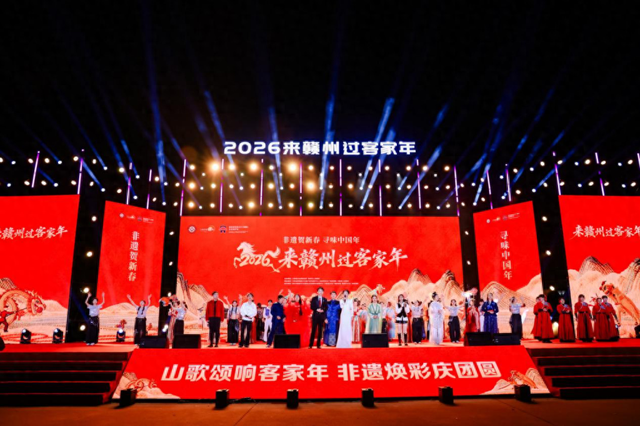
来赣州过客家年:非遗活了,年味浓了
Xin Lang Cai Jing· 2026-02-15 06:21
Core Viewpoint - The "2026 Come to Ganzhou for Hakka New Year" event aims to strengthen the tourism brand of Ganzhou, Jiangxi, by showcasing intangible cultural heritage and local customs through various engaging activities [1][3][11]. Event Overview - The event was launched on February 6 at the Jiangjun Garden Square in Xingguo County, featuring a theme of "Mountain Songs Celebrate Hakka New Year" and includes non-heritage displays, folk experiences, performances, and academic exchanges [3][5]. - The "Hakka New Year" celebration integrates traditional and modern elements, aiming to attract younger audiences and promote cultural heritage [5][11]. Cultural Activities - The event features a variety of performances, including traditional lion dances, Hakka songs, and local operas, presented in a modern format to engage the audience [5][10]. - A culinary competition called "Four Stars Looking at the Moon" showcased Hakka cuisine, allowing visitors to experience local food culture firsthand [9][13]. - A grand parade with over 1,800 participants highlighted various intangible cultural heritage projects from 18 counties, creating an immersive cultural experience [9][10]. Community Engagement - The event encourages community participation through hands-on activities, such as making traditional snacks and crafts, making cultural heritage more accessible and relatable [7][10]. - The "Ganyun Intangible Cultural Heritage Jiangyou Grand Market" features around 80 stalls where visitors can engage with local crafts and foods, extending the festive atmosphere [10][11]. Long-term Impact - The event has been held for five consecutive years, establishing itself as a significant cultural tourism brand for Ganzhou and Jiangxi, promoting the integration of intangible heritage with tourism and modern life [11][15]. - The initiative aims to foster a sustainable cultural ecosystem, encouraging the preservation and transmission of Hakka culture among younger generations [11][15].