
文旅产业系统性升级

Search documents
天津:借力“上合”效应 让文旅“流量”变“留量”|地方两会
Zhong Guo Xin Wen Wang· 2026-01-28 00:06
Core Insights - The article highlights the need for Tianjin's cultural and tourism industry to transition from scale expansion to quality and efficiency improvement, especially in light of the upcoming 2025 Shanghai Cooperation Organization summit [1][6]. Group 1: Current Challenges - Despite high visitor numbers, Tianjin's per capita spending is low compared to other popular cities, with a reported average of less than 145 yuan per visitor during the 2026 New Year holiday [3][4]. - Key limitations affecting consumer spending include insufficient modern expression and international communication of cultural resources, lack of deep integration in the industry, and the need for improved public services and consumer environments [3][5]. Group 2: Strategic Recommendations - A comprehensive strategy is proposed to enhance the cultural tourism sector, focusing on deepening cultural exploration and innovative communication to build a strong international tourism brand [4][5]. - Suggestions include transforming local cultural resources into fashionable and experiential offerings, such as the unique "Tianjin lifestyle" IP, and enhancing collaboration with international media for multi-language content dissemination [4][5]. Group 3: Industry Integration and Technology - The article advocates for breaking away from the "ticket economy" and single sightseeing models to create a "cultural tourism +" ecosystem that integrates various sectors [4]. - The use of advanced technologies like XR and digital twins is recommended to develop immersive storytelling projects along the Haihe River, creating new digital tourism experiences [5]. Group 4: Improving Consumer Environment - Emphasis is placed on systematically improving the visitor experience from their perspective, including seamless transportation connections and the establishment of multilingual smart service facilities [5]. - The article suggests creating high-quality, internationalized consumer spaces and enriching nighttime tourism products to extend the consumption chain [5]. Group 5: Long-term Vision - The hosting of the Shanghai Cooperation Organization summit is seen as an opportunity for Tianjin to convert visitor influx into lasting consumer engagement, focusing on the transition from "flow" to "retention" and ultimately to "consumption" [5]. - The recommendations aim not only at the development of the tourism industry but also at enhancing the overall service capabilities and internationalization of the city [5].

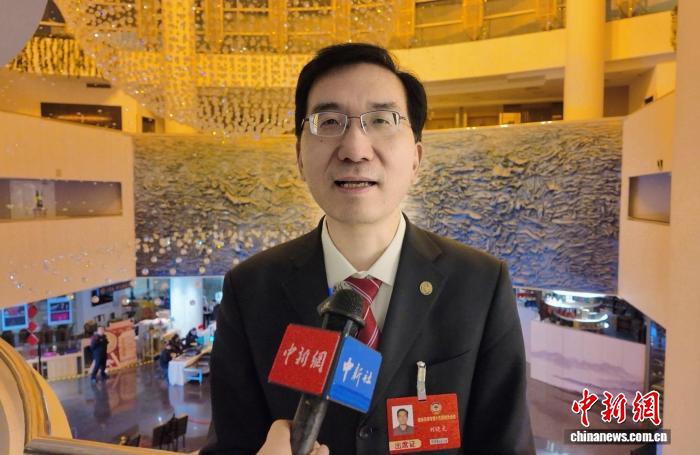
借力“上合”效应 天津两会关注如何让文旅“流量”变“留量”
Zhong Guo Xin Wen Wang· 2026-01-27 08:23
Core Insights - The article discusses the need for Tianjin's cultural and tourism industry to transition from scale expansion to quality and efficiency, particularly in light of the upcoming 2025 Shanghai Cooperation Organization summit [1][2]. Group 1: Current Challenges - Despite high visitor numbers, Tianjin's per capita spending is low, with an average of less than 145 yuan per person during the 2026 New Year holiday, indicating a disparity compared to other popular tourist cities [2]. - Key limitations affecting the enhancement of consumption levels include insufficient modern expression and international communication of cultural resources, lack of deep industry integration, inadequate technological empowerment in tourism, and the need for improved public services and consumer environments [2][3]. Group 2: Strategic Recommendations - A comprehensive strategy is proposed to upgrade the cultural and tourism industry, focusing on deepening cultural exploration and innovative communication to create a strong international tourism brand [2]. - Suggestions include modernizing Tianjin's red culture, industrial heritage, and canal charm into fashionable and experiential offerings, as well as enhancing collaboration with international media platforms for multilingual content [2][3]. Group 3: Industry Integration and Technology - The article emphasizes breaking away from the "ticket economy" and single sightseeing models to build a "cultural tourism +" integrated industry ecosystem [3]. - Specific recommendations include creating composite cultural tourism consumption zones that integrate historical districts, industrial heritage, and modern commerce, while also promoting cross-regional premium routes in the Beijing-Tianjin-Hebei area [3][5]. Group 4: Enhancing Visitor Experience - The use of advanced technologies such as XR and digital twins is highlighted as a means to improve visitor experience and efficiency, with plans to develop immersive storytelling projects along the Haihe River [5]. - There is a call for the establishment of a smart tourism platform that consolidates reservation, navigation, and payment functions to provide a one-stop intelligent service for tourists [5]. Group 5: Overall Development Goals - The hosting of the Shanghai Cooperation Organization summit is seen as an opportunity for Tianjin to convert visitor flow into lasting engagement and consumption [5]. - The article concludes that if Tianjin can leverage this opportunity to systematically enhance cultural expression, industry ecology, technological application, and service environment, it could transform from a "trendy" city to a "sustainable" competitive city [5].