
文物保护与管理

Search documents
厘清《江南春》轨迹让藏品有据可查
Bei Jing Wan Bao· 2025-12-19 06:20
Core Viewpoint - The controversy surrounding the Ming Dynasty painting "Jiangnan Spring" has raised significant questions about the provenance and authenticity of cultural artifacts, highlighting the responsibilities of museums in safeguarding donated items and maintaining public trust [1][2][3] Group 1: Incident Overview - In May, a Ming Dynasty painting "Jiangnan Spring" was auctioned with an estimated value of 88 million yuan, leading to legal action from the descendants of the original donor, Pang Laichen [1] - The Nanjing Museum has stated it will cooperate with investigations and will take action if any illegal activities are found regarding the painting's provenance [1] - The Jiangsu Provincial Department of Culture and Tourism has formed a task force to investigate the matter, while the National Cultural Heritage Administration is also looking into the reports [1] Group 2: Historical Context and Implications - Pang Laichen was a prominent collector in modern China, and his descendants have made multiple requests to verify the status of donated artifacts, including the "Jiangnan Spring" painting [1][2] - The painting was previously identified as a forgery and was sold in 2001 for 6,800 yuan, raising questions about the museum's handling of the artwork and the implications of its potential sale [2] - The museum's actions, including the alleged unauthorized transfer and sale of the painting, have sparked public concern over transparency and accountability in cultural institutions [2][3] Group 3: Public Sentiment and Responsibilities - The case reflects a broader public sentiment regarding the need for accountability in the management of cultural heritage and the importance of protecting the legacies of donors [2][3] - The museum's duty to safeguard artifacts is emphasized, as each piece represents the trust placed in them by donors and the cultural significance of the items [2][3] - The resolution of the "Jiangnan Spring" controversy is seen as crucial not only for the Pang family but also for restoring public confidence in cultural institutions [3]
捐赠藏品现身拍卖市场?公众期待更详实的调查结论
Zhong Guo Qing Nian Bao· 2025-12-18 12:27
Core Viewpoint - The recent appearance of the Ming Dynasty painting "Jiangnan Spring" by Qiu Ying at an auction has raised significant public concern, leading to its withdrawal from sale after intervention by the National Cultural Heritage Administration and a report from the descendant of the original donor [3][4]. Group 1: Auction Incident - The painting "Jiangnan Spring" was estimated at 88 million yuan and was set to be auctioned in Beijing before being withdrawn due to legal disputes regarding its ownership [3]. - The Nanjing Museum received 137 pieces of ancient paintings and calligraphy from the family of collector Pang Laichen in the 1950s, which included the disputed painting [3][4]. - Five other donated artworks are currently unaccounted for, raising questions about their whereabouts and the museum's handling of these items [3][4]. Group 2: Museum's Response - The Nanjing Museum stated that it is cooperating with legal proceedings and will investigate the status of the five disputed artworks, promising to address any illegal actions if found [3][4]. - The museum's explanation regarding the disposal of the artworks previously identified as forgeries lacks transparency, particularly concerning the process and whether the donor was informed [4]. - The Jiangsu Provincial Department of Culture and Tourism has initiated a joint investigation into the matter, indicating a higher-level oversight to ensure accountability [4]. Group 3: Broader Implications for Cultural Institutions - The incident highlights the growing public interest in cultural heritage and the need for museums to enhance their management and protection of donated items [5]. - There is a call for cultural institutions to review their processes and improve transparency to maintain public trust and ensure the preservation of cultural artifacts [5].

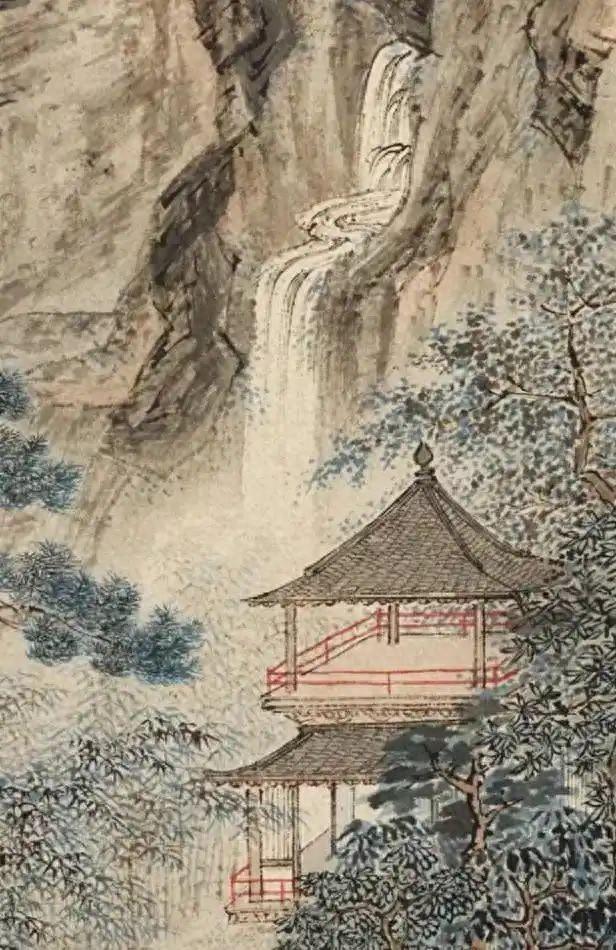
彻查古画踪迹事关南博声誉
Bei Jing Ri Bao Ke Hu Duan· 2025-12-18 07:13
Core Viewpoint - The article discusses the controversy surrounding the disappearance of the Ming Dynasty painting "Jiangnan Spring" from the Nanjing Museum, which was recently found at an auction preview, raising questions about the museum's handling of donated artworks and its reputation [1] Group 1: Incident Overview - The painting "Jiangnan Spring," valued at 88 million yuan, was supposed to be in the Nanjing Museum's collection but was found at an auction preview [1] - The descendants of the original donor, Pang Laichen, have filed a lawsuit against the Nanjing Museum, demanding accountability for the painting's whereabouts [1] - The Nanjing Museum has stated it will cooperate with the legal proceedings and conduct a thorough investigation into the painting's status [1] Group 2: Historical Context - Pang Laichen's descendants have previously requested to view the status of donated artworks, leading to a court-mediated inspection that revealed five ancient paintings, including "Jiangnan Spring," were missing [1] - The museum claimed these five pieces were forgeries and had been removed from its collection, but the circumstances of their disappearance remain unclear [1] Group 3: Public and Institutional Responsibility - The article emphasizes the museum's duty to safeguard the cultural heritage represented by donated artworks and the importance of transparency in the provenance of such items [1] - It raises concerns about the museum's past decisions regarding the authenticity of artworks and the implications for its credibility as a cultural institution [1] - The need for a comprehensive investigation into the missing artworks is framed as essential not only for the Pang family but also for public trust in cultural institutions [1]