
新农村建设

Search documents
农村未来将进入收费模式,5种费用不可避免,一起来了解
Sou Hu Cai Jing· 2026-02-02 10:32
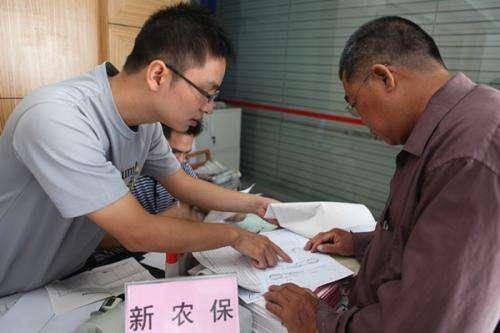
Core Insights - China's urbanization has rapidly advanced over the past decade, with an urbanization rate reaching 64%, indicating that 910 million people live in urban areas while 500 million remain in rural areas. The government is promoting new rural construction to balance urban-rural development and encourage urban workers to return to their hometowns for entrepreneurship [1] Group 1: Rural Development Initiatives - The government is investing in rural infrastructure, such as extending cement roads and establishing urban-rural public transport lines to improve connectivity [1] - To further narrow the urban-rural gap and enhance the quality of life for rural residents, a "charging" model for various services is expected to be implemented in rural areas [1] Group 2: Introduction of Fees - The introduction of water supply fees is anticipated as rural areas transition from well water, which is prone to pollution, to modern piped water systems, necessitating significant investment in infrastructure [1] - Garbage disposal fees will become standard practice to address environmental issues caused by improper waste management in rural areas, improving overall sanitation [3] - The implementation of pension insurance fees is crucial for providing financial security for rural residents in their old age, as the new rural social pension insurance system is rolled out [4] - Medical insurance fees will be collected annually for the new rural cooperative medical system, which is improving its coverage and reimbursement rates, thereby alleviating healthcare costs for rural residents [4] - Fees will be charged for exceeding the designated area for homesteads, as the "one household, one homestead" policy is enforced to regulate land use in rural areas [5]

种柳棍叔传(遇见)
Ren Min Ri Bao· 2025-05-11 22:30
Core Viewpoint - The story illustrates the importance of community, tradition, and environmental stewardship through the character of "棍叔," who transforms a simple act of caring for trees into a source of pride and economic benefit for the village [1][5][9]. Group 1: Character and Background - "棍叔" is a kind-hearted elder in the village, known for his positive demeanor and connection to the community [1]. - He became a part of the village after marrying "金凤," the daughter of a local man who initially opposed their union due to "棍叔's" outsider status [1][3]. Group 2: Environmental Contribution - "棍叔" is dedicated to caring for the village's willow trees, performing annual maintenance to ensure their health and growth [4][5]. - His efforts in tree care contribute to the village's beautification and environmental sustainability, leading to recognition from local authorities [5][9]. Group 3: Economic Development - The village experiences economic growth through the production of willow products, with "棍叔" playing a key role in managing the resources [9][10]. - The establishment of a willow product company enhances local employment and economic opportunities, benefiting the community as a whole [11][12]. Group 4: Challenges and Solutions - The village faces challenges with overharvesting of willow branches for basket-making, prompting discussions on sustainable practices [6][8]. - The village leadership, with "棍叔's" input, decides to plant more willows to ensure a sustainable supply for the basket-making industry [8][10]. Group 5: Community and Legacy - "棍叔" becomes a beloved figure in the village, symbolizing the connection between people and nature, and fostering a sense of community [12][15]. - His legacy is reflected in the continued gathering of villagers around the willow tree, maintaining traditions and sharing stories [15][16].