
新型公共文化空间

Search documents
公共文化服务 幸福就像毛毛雨
Xin Lang Cai Jing· 2026-02-24 20:22
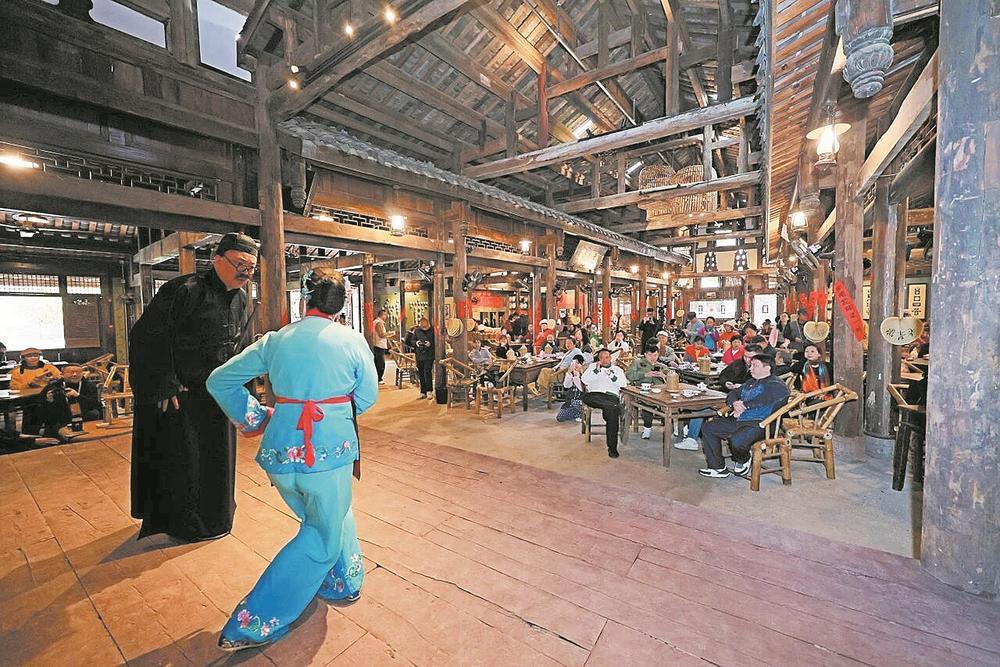
Core Viewpoint - The article emphasizes the importance of public cultural services in enhancing the quality of life and fostering community engagement across various regions in China, highlighting innovative approaches and successful initiatives in cultural activities and spaces [6][14]. Group 1: Public Cultural Services - The "Guiding Standards for Public Cultural Services (2026-2030)" in Sichuan province aim to standardize and equalize public cultural services, with specific operational hours for libraries and community activities [6]. - Public cultural services are described as a gentle rain nourishing the urban fabric, with examples of community engagement through choirs, book houses, and impromptu concerts [6][9]. - The transformation of the audience from "spectators" to "protagonists" in rural cultural revitalization is highlighted, with significant participation in events like "village evenings" [9]. Group 2: Cultural Activities and Innovations - The article notes the successful implementation of various cultural activities across different regions, such as 3D projections in rural events and local performances that attract significant audiences and tourism revenue [7][9]. - The rise of "rural internet celebrities" through cultural talent cultivation has enhanced cultural confidence and created new narratives for rural areas [10]. - Innovative public cultural spaces, such as the "Ferry Man Book Stage" in Shanghai, combine traditional and modern elements to engage communities and provide diverse cultural offerings [11]. Group 3: Mechanisms and Policies - New policies in cities like Yangzhou and Wenzhou encourage public participation in cultural space development, shifting from government-led initiatives to collaborative community efforts [12]. - The emergence of new public cultural spaces is seen as a significant marker of high-quality public cultural service development during the 14th Five-Year Plan period [12]. - The article discusses the integration of cultural IP and digital resources to enhance accessibility and engagement in cultural activities, with initiatives like the "Chinese Ancient Books Intelligent Service Platform" [13]. Group 4: Future Directions - The Ministry of Culture and Tourism aims to improve the quality and coverage of public cultural services, focusing on providing high-quality cultural experiences that resonate with contemporary society [14].

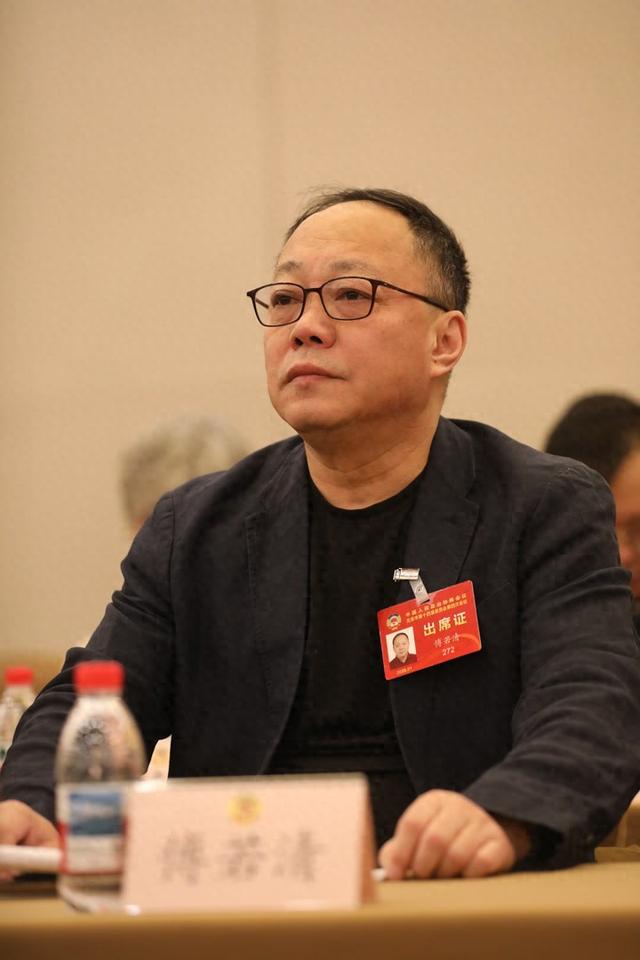
傅若清委员:充分用好影院资源,打造新型公共文化空间
Xin Lang Cai Jing· 2026-01-26 04:32
Core Viewpoint - The cinema industry is encouraged to transform from a traditional screening venue into a multifunctional public cultural space that integrates social, entertainment, educational, and leisure activities [1][4]. Group 1: Current State and Challenges - Cinemas currently have a relatively single function, with low occupancy rates during non-peak hours and widespread underutilization of public space [3]. - Recent initiatives have shown positive results, such as the "Watch Olympics in Cinema" event during the 2024 Paris Olympics, which was broadcast in over 800 cinemas with more than 55,000 viewers [3]. Group 2: Recommendations and Future Directions - The first batch of 12 new cinema space pilot projects will be launched in Beijing by the end of 2025, aiming to create unique experiences that can be promoted to a wider audience [4]. - Recommendations include supporting diverse content in cinemas, encouraging live broadcasts of cultural events, and creatively redesigning cinema spaces to serve as community cultural hubs [4]. - Establishing a demonstration and incentive mechanism to promote innovative space functions, community service integration, and operational effectiveness in cinemas [4].

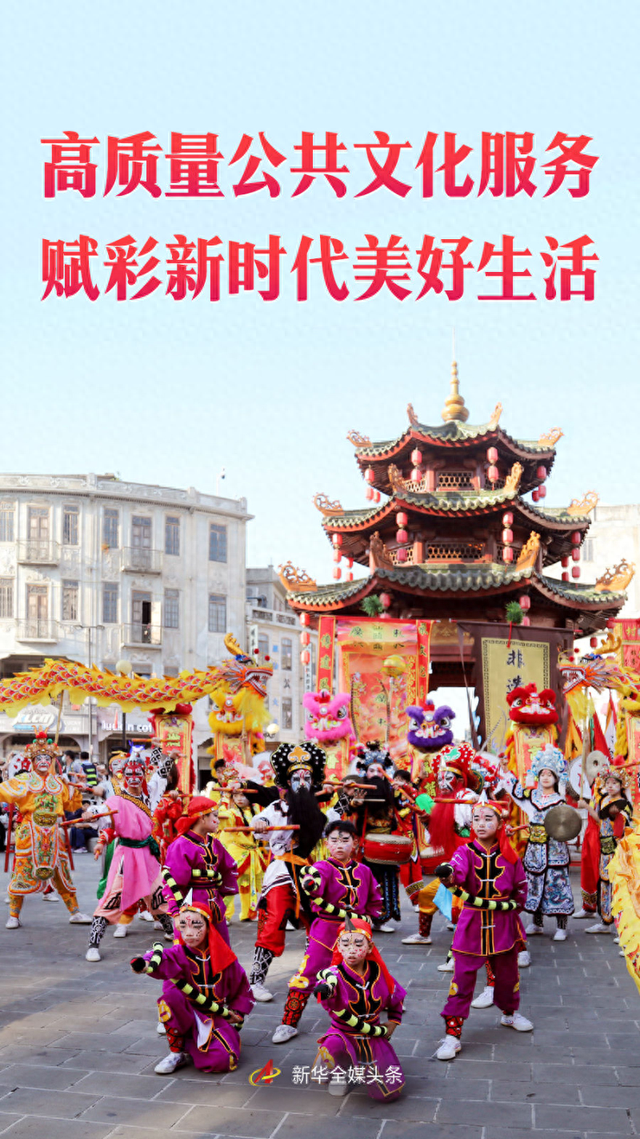
高质量公共文化服务 赋彩新时代美好生活
Xin Lang Cai Jing· 2026-01-10 13:17
Core Viewpoint - The article highlights the transformation of rural cultural activities in China, emphasizing the shift from passive participation to active engagement among the community, showcasing the vibrant cultural landscape and the integration of traditional and modern elements in public cultural services [2][3]. Group 1: Cultural Activities and Community Engagement - By 2025, a total of 91,300 "village evening" events were held nationwide, with 692 million participants both online and offline [2] - In Zhangguying Village, Hunan, the main event attracted 99,500 visitors, generating local tourism revenue of 53.73 million yuan [2] - The "village evening" series videos created by villagers garnered 35.4 million views, indicating a significant online presence [2] Group 2: Talent Development and Cultural Confidence - The "rural internet celebrity" cultivation plan has unearthed cultural talents in rural areas, enhancing cultural confidence and creating a new cultural landscape [3] - Various organizations, including the China Children's Art Theatre, have engaged local children in creating original plays, fostering local talent [2] Group 3: New Public Cultural Spaces - Over 40,000 new public cultural spaces have emerged, designed to be attractive and functional, serving as "cultural living rooms" for communities [4] - Innovative cultural spaces have been created by repurposing traditional structures, such as transforming ancestral halls into cultural hubs [4] Group 4: Mechanism Innovation and Public Participation - Jiangsu has introduced regulations for urban reading rooms, allowing contributors to name the facilities, while Zhejiang and Guangdong have implemented initiatives to enhance public engagement [5] - The shift from government-led to collaborative community-driven projects has reduced costs and increased utilization of cultural spaces [5] Group 5: Cultural Integration and Digital Accessibility - The first China Xinjiang Folk Art Season showcased diverse ethnic cultures across multiple provinces, promoting cultural exchange [7] - The launch of the "Chinese Ancient Books Intelligent Service Platform" in April 2025 aims to provide digital access to ancient texts, enhancing cultural resource availability [8] Group 6: Future Outlook - The continuous optimization of cultural supply is expected to enrich the quality of life for the people, aligning with the goals of the upcoming "15th Five-Year Plan" [9]
高质量公共文化服务赋彩新时代美好生活
Xin Lang Cai Jing· 2026-01-07 18:14
Core Viewpoint - The article highlights the transformation of rural cultural activities in China, emphasizing the shift from passive participation to active engagement among local communities, with a focus on enhancing public cultural services by 2025 [5][12]. Group 1: Cultural Activities and Engagement - By 2025, a total of 91,300 "village evening" events are expected to be held nationwide, with online and offline participation reaching 690 million [5] - In Zhangguying Village, Hunan, the main event attracted 99,500 visitors, generating local tourism revenue of 53.73 million yuan [5] - The rise of "village stars" and local performances has led to significant online engagement, with videos receiving millions of views [5] Group 2: Cultural Talent Development - The "Rural Internet Celebrity" cultivation plan has successfully unearthed cultural talents in rural areas, enhancing cultural confidence and creating a new cultural landscape [6] - Various stakeholders, including non-heritage inheritors and students, are collaborating in creative projects, showcasing a diverse range of contributors in the cultural sector [5][6] Group 3: New Public Cultural Spaces - Over 40,000 new public cultural spaces have emerged, designed to be attractive and functional, serving as "cultural living rooms" for communities [8] - Innovative cultural spaces are being developed across various regions, integrating traditional and modern elements to enhance community engagement [9] Group 4: Cultural Integration and Accessibility - The first China Xinjiang Folk Art Season is set to tour multiple provinces, promoting cultural exchange and showcasing the diversity of ethnic cultures [10] - National-level cultural events are bridging resources directly to grassroots communities, enhancing the reach of quality cultural offerings [11] Group 5: Digital and Technological Integration - The launch of the "Chinese Ancient Books Intelligent Service Platform" aims to digitize and provide access to a vast collection of ancient texts, enhancing cultural resource availability [11] - The cultural service week aims to make cultural institutions more accessible, with over 142 million people expected to benefit from various activities [11][12]
文化新观察·年度文化亮点丨高质量公共文化服务赋彩新时代美好生活
Xin Lang Cai Jing· 2026-01-07 15:07
Core Insights - The article highlights the vibrant development of public cultural services in rural areas of China, showcasing various cultural events and initiatives that enhance community engagement and cultural identity [5][6][8][20]. Group 1: Cultural Events and Participation - In 2025, a total of 91,300 "village evening" events were held nationwide, with 692 million participants both online and offline [5] - The main event in Zhanggu Ying Village attracted 99,500 visitors, generating local tourism revenue of 53.73 million yuan [5] - The transformation of villagers from "audience" to "protagonists" in cultural performances illustrates the success of rural cultural revitalization [5][6] Group 2: Talent Development and Cultural Confidence - The "rural internet celebrity" cultivation plan has successfully trained thousands of cultural talents, enhancing cultural confidence in rural areas [8] - Diverse groups, including non-heritage inheritors and students, are collaborating in cultural creation, reflecting a shift towards inclusive cultural participation [6] Group 3: Innovative Cultural Spaces - Over 40,000 new public cultural spaces have emerged, serving as "cultural living rooms" for communities, enhancing local cultural supply [11] - Innovative designs and community engagement strategies are being implemented in cultural spaces, such as the "Ferry Book Stage" in Shanghai [9][11] Group 4: Digital and Integrated Cultural Services - The launch of the "Chinese Ancient Books Intelligent Service Platform" aims to digitize and share ancient texts, making cultural resources more accessible [20] - The integration of cultural activities with tourism and local experiences is driving revenue growth and enhancing cultural engagement [20] Group 5: Future Directions in Cultural Services - The Ministry of Culture and Tourism plans to implement actions to improve the quality and coverage of public cultural services, focusing on high-quality, technology-driven cultural offerings [22][23]
新华全媒头条·文化新观察·年度文化亮点|高质量公共文化服务赋彩新时代美好生活
Xin Hua She· 2026-01-07 12:07
Core Viewpoint - The article emphasizes the transformation and enhancement of public cultural services in China, aiming to enrich the cultural lives of citizens by 2025 through innovative and high-quality offerings [1][8]. Group 1: Cultural Activities and Community Engagement - By 2025, a total of 91,300 "village evening" events are expected to be held nationwide, with online and offline participation reaching 690 million [2] - In Hunan's Zhangguying Village, the main event attracted 99,500 visitors, generating local tourism revenue of 53.73 million yuan, while videos from the "Mingxing Village Evening" series garnered 35.4 million views [2] - The shift from spectators to active participants in cultural events illustrates the vibrant revival of rural culture [2][3] Group 2: Cultural Talent Development - The "Rural Internet Celebrity" cultivation plan has successfully trained thousands of cultural talents, enhancing cultural confidence in rural areas [3] - Diverse groups, including non-heritage inheritors and students, are collaborating in cultural creation, showcasing a significant change in the creative landscape [3] Group 3: Innovative Public Cultural Spaces - Over 40,000 new public cultural spaces have emerged, designed to be attractive and functional, serving as "cultural living rooms" for communities [4] - Examples include the transformation of traditional spaces into multifunctional cultural hubs, integrating reading, childcare, and elder care [4][5] Group 4: Cultural Integration and Accessibility - The first China Xinjiang Folk Art Season will tour multiple provinces, showcasing the rich diversity of ethnic cultures [6] - National-level cultural events are bridging resources directly to grassroots communities, enhancing cultural accessibility [7] Group 5: Digitalization and Resource Sharing - The launch of the "Chinese Ancient Books Intelligent Service Platform" aims to digitize and share over 10,000 ancient texts, providing easy access to cultural resources [7] - The cultural service week theme emphasizes making cultural institutions lifelong educational resources for the public, reaching over 142 million people [7] Group 6: Future Directions in Cultural Services - The Ministry of Culture and Tourism plans to implement actions to improve the quality and coverage of public cultural services, focusing on modern, technology-driven offerings [8][9]
中经评论:“新空间”让文化服务实现“多元共生”
Zhong Guo Jing Ji Wang· 2025-08-07 08:25
Group 1 - The core idea is that new public cultural spaces are essential for enhancing public cultural services and enriching urban and rural life through diverse and convenient cultural offerings [1][2]. - New public cultural spaces are characterized by their small yet beautiful design and flexible operation, allowing them to integrate into various life scenarios such as streets, cultural buildings, and urban parks [1][2]. - As of now, there are over 40,000 new public cultural spaces across the country, which innovate the supply methods and channels of public cultural services, effectively meeting the demand for high-quality cultural life [1][2]. Group 2 - The growth of new public cultural spaces has led to a shift from single-function facilities to multi-functional spaces that combine various cultural and commercial activities [2]. - Challenges in long-term operation of these spaces include unclear functional positioning and inconsistent management standards, leading to issues like homogenization and insufficient cultural empowerment [2][3]. - The government has encouraged the revitalization of existing spaces and the use of idle properties to create new public cultural spaces, emphasizing the need for efficient and standardized management [2][3]. Group 3 - To build effective new public cultural spaces, it is crucial to explore regional cultural characteristics and resource advantages, as well as to establish strong brand positioning [3]. - Introducing market-oriented operational mechanisms and fostering collaboration with enterprises and social capital can enhance the professional management of these spaces [3]. - Future development of public cultural services will depend on sound decision-making and welfare initiatives, transforming these spaces into vital cultural and community resources [3].
银杏树下的文化涟漪 重新定义“阅读空间”
Hang Zhou Ri Bao· 2025-08-01 02:26
Core Insights - The article highlights the development of new cultural spaces in Hangzhou, particularly the "Reading West Lake" cultural salon, which serves as a community hub and a cultural connection point for both residents and tourists [1][2][3] Group 1: Cultural Space Development - The "Reading West Lake" cultural salon combines a bookstore, café, and art exhibition, creating a multifunctional cultural hub for the community and visitors [1][2] - The West Lake District has transformed an old cultural center into a modern cultural space while preserving historical elements, aiming to connect various cultural and tourism experiences [3] - The West Lake District library has been upgraded with modern borrowing systems and dedicated reading areas, enhancing the overall reading experience for visitors [1][3] Group 2: Expansion Plans - By 2025, Hangzhou plans to establish 700 "15-minute quality cultural life circles," 50 urban reading rooms, and 90 reading stations, expanding the reach of cultural services across the city [1][5] - The city is focusing on creating diverse public cultural services through a collaborative model involving government and social participation, revitalizing unused spaces and old factories [5] Group 3: Community Engagement - The new cultural spaces are designed to be community-centric, offering a blend of reading, art exhibitions, and social activities, thus enhancing the cultural experience for local residents [4][5] - As of now, Hangzhou has established 418 urban reading rooms and 1884 "15-minute quality cultural life circles," reflecting a shift towards more accessible and community-oriented cultural services [4]