中华古籍智慧化服务平台

Search documents
足不出户畅游古籍海
Ren Min Ri Bao Hai Wai Ban· 2026-01-21 22:45
Core Viewpoint - The National Library of China, along with nine other institutions, has released a total of 3,748 ancient book image resources, marking the 11th joint digital resource release since 2017, with over 161,000 resources published to date, accessible online for readers [1] Group 1: Digital Resource Release - The National Library published 827 ancient books and special resources, including 160 types of Chinese ancient texts and 47 types of minority language texts [2] - A significant focus of this release was on overseas returned ancient book resources, with over 4,000 types donated by Harvard-Yenching Library, including 693 types and 7,924 volumes of digital resources [3] - The release included 1,644 stone rubbing images, showcasing a variety of inscriptions from different historical periods, reflecting local cultural aspects [3] Group 2: Cultural Heritage and Local Characteristics - The release featured 2,171 precious ancient books, emphasizing local cultural values, including 57 types of ancient Zhuang script books from Guangxi and 66 types of Chaozhou songbooks from Tianjin [5] - The Ningbo Tianyi Pavilion Museum published 930 types of resources, primarily Ming dynasty records, which are crucial for understanding the historical examination system [6] - The Macau Cultural Bureau released 404 types of ancient books, including valuable Chinese and foreign texts, enhancing the understanding of Portuguese history [6] Group 3: Technological Integration in Preservation - The "Chinese Ancient Books Intelligent Service Platform" has been operational for eight months, with over 1.3 million digital resources published, providing various reading services and reducing barriers for readers [7] - The Yunnan Provincial Library has created online knowledge bases for ancient texts, enhancing their accessibility and relevance [8] - The Hunan Provincial Library has developed an "Ancient Book Restoration Knowledge Base System," utilizing AI to assist in the restoration of ancient texts [9]

高质量公共文化服务 赋彩新时代美好生活
Xin Lang Cai Jing· 2026-01-10 13:17
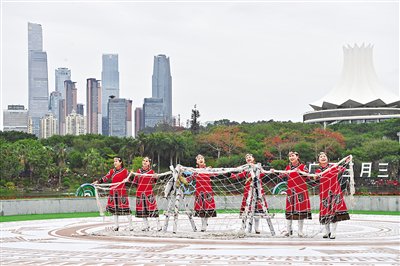
Core Viewpoint - The article highlights the transformation of rural cultural activities in China, emphasizing the shift from passive participation to active engagement among the community, showcasing the vibrant cultural landscape and the integration of traditional and modern elements in public cultural services [2][3]. Group 1: Cultural Activities and Community Engagement - By 2025, a total of 91,300 "village evening" events were held nationwide, with 692 million participants both online and offline [2] - In Zhangguying Village, Hunan, the main event attracted 99,500 visitors, generating local tourism revenue of 53.73 million yuan [2] - The "village evening" series videos created by villagers garnered 35.4 million views, indicating a significant online presence [2] Group 2: Talent Development and Cultural Confidence - The "rural internet celebrity" cultivation plan has unearthed cultural talents in rural areas, enhancing cultural confidence and creating a new cultural landscape [3] - Various organizations, including the China Children's Art Theatre, have engaged local children in creating original plays, fostering local talent [2] Group 3: New Public Cultural Spaces - Over 40,000 new public cultural spaces have emerged, designed to be attractive and functional, serving as "cultural living rooms" for communities [4] - Innovative cultural spaces have been created by repurposing traditional structures, such as transforming ancestral halls into cultural hubs [4] Group 4: Mechanism Innovation and Public Participation - Jiangsu has introduced regulations for urban reading rooms, allowing contributors to name the facilities, while Zhejiang and Guangdong have implemented initiatives to enhance public engagement [5] - The shift from government-led to collaborative community-driven projects has reduced costs and increased utilization of cultural spaces [5] Group 5: Cultural Integration and Digital Accessibility - The first China Xinjiang Folk Art Season showcased diverse ethnic cultures across multiple provinces, promoting cultural exchange [7] - The launch of the "Chinese Ancient Books Intelligent Service Platform" in April 2025 aims to provide digital access to ancient texts, enhancing cultural resource availability [8] Group 6: Future Outlook - The continuous optimization of cultural supply is expected to enrich the quality of life for the people, aligning with the goals of the upcoming "15th Five-Year Plan" [9]
超16.1万部文献 可在“云端”品读
Xin Lang Cai Jing· 2026-01-07 20:19
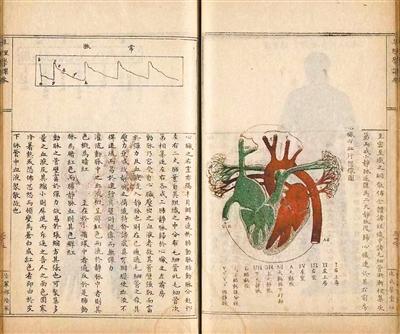
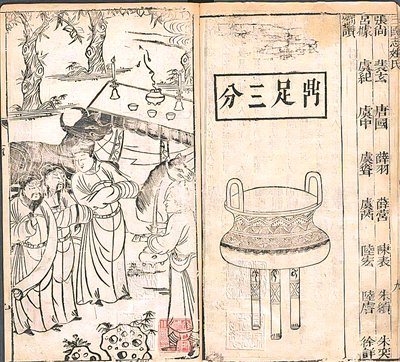
Core Viewpoint - The National Library of China, in collaboration with various institutions, has launched a digital resource initiative, releasing 3,748 ancient texts and images for public access, significantly enhancing the availability of historical literature online [6][12]. Group 1: Digital Resource Release - The recent event marked the release of 3,748 ancient texts and images, bringing the total to over 161,000 since the initiative began in 2017 [6][12]. - The released materials include 827 items from the National Library's collection, featuring 60 rare editions, 100 ordinary ancient texts, and 47 minority language texts [7][10]. - The collection includes significant works such as the Song Dynasty's "Ouyang Wenzhong Gong Ji" and various scientific texts from the Qing Dynasty, showcasing the transition of Chinese printing from traditional to modern [7][10]. Group 2: Cultural Heritage and Regional Focus - The release features 620 digital resources of stone inscriptions, with a historical span of over 1,400 years, including artifacts from the Northern Wei and Tang Dynasties [7][10]. - The Guangxi Zhuang Autonomous Region's center contributed 57 ancient Zhuang texts, reflecting the cultural heritage and folklore of the Zhuang ethnic group [10]. - The Tianjin Library released 66 Chaozhou songbooks, highlighting the cultural significance of Chaozhou music since the early Qing Dynasty [10][11]. Group 3: International Collaboration - The Harvard-Yenching Library donated over 4,000 ancient texts, with 693 items now available in the National Library's "Chinese Ancient Books Resource Database," enhancing international academic collaboration [8][9][11]. - The Macau Public Library contributed 404 ancient texts, providing insights into Portuguese and Far East history [11]. Group 4: AI and Technological Integration - The launch of the "Chinese Ancient Books Intelligent Service Platform" introduces features like automatic punctuation and AI-assisted queries, making ancient texts more accessible [12][13]. - The Fujian Provincial Library is utilizing AI to create a knowledge model integrating over 4,000 books related to the Maritime Silk Road, enhancing user engagement with historical documents [12][13]. - The Hunan Library's "Ancient Book Restoration Knowledge Base" employs AI to provide tailored restoration solutions for ancient texts, showcasing the intersection of technology and cultural preservation [13].
高质量公共文化服务赋彩新时代美好生活
Xin Lang Cai Jing· 2026-01-07 18:14
Core Viewpoint - The article highlights the transformation of rural cultural activities in China, emphasizing the shift from passive participation to active engagement among local communities, with a focus on enhancing public cultural services by 2025 [5][12]. Group 1: Cultural Activities and Engagement - By 2025, a total of 91,300 "village evening" events are expected to be held nationwide, with online and offline participation reaching 690 million [5] - In Zhangguying Village, Hunan, the main event attracted 99,500 visitors, generating local tourism revenue of 53.73 million yuan [5] - The rise of "village stars" and local performances has led to significant online engagement, with videos receiving millions of views [5] Group 2: Cultural Talent Development - The "Rural Internet Celebrity" cultivation plan has successfully unearthed cultural talents in rural areas, enhancing cultural confidence and creating a new cultural landscape [6] - Various stakeholders, including non-heritage inheritors and students, are collaborating in creative projects, showcasing a diverse range of contributors in the cultural sector [5][6] Group 3: New Public Cultural Spaces - Over 40,000 new public cultural spaces have emerged, designed to be attractive and functional, serving as "cultural living rooms" for communities [8] - Innovative cultural spaces are being developed across various regions, integrating traditional and modern elements to enhance community engagement [9] Group 4: Cultural Integration and Accessibility - The first China Xinjiang Folk Art Season is set to tour multiple provinces, promoting cultural exchange and showcasing the diversity of ethnic cultures [10] - National-level cultural events are bridging resources directly to grassroots communities, enhancing the reach of quality cultural offerings [11] Group 5: Digital and Technological Integration - The launch of the "Chinese Ancient Books Intelligent Service Platform" aims to digitize and provide access to a vast collection of ancient texts, enhancing cultural resource availability [11] - The cultural service week aims to make cultural institutions more accessible, with over 142 million people expected to benefit from various activities [11][12]
国家图书馆等累计免费发布古籍及特藏文献影像资源超16.1万部/件
Xin Hua She· 2025-12-31 08:01
Core Insights - The National Library of China (National Ancient Books Protection Center) held a conference on the digital application of ancient books and the joint release of ancient digital resources, announcing the addition of 3,748 ancient book image resources available for free to the public [1] Group 1: Digital Resource Release - The release prominently features digital resources of ancient books returning from overseas, including images and full-text conversion data of donated Chinese texts from Harvard Yenching Library [1] - The "Chinese Ancient Books Resource Database" has added 620 types of stone rubbing resources from Henan, 47 types of Mongolian ancient books, and 57 types of ancient Zhuang script books [1] Group 2: Historical Context and Impact - Since 2017, the National Library has organized 11 joint releases of ancient digital resources, resulting in a total of over 161,000 ancient and special collection document image resources published nationwide [1] - Readers can now access the original images of ancient books online without leaving their homes [1]
科技点染文化底色 智慧启迪城市新风
Bei Jing Ri Bao Ke Hu Duan· 2025-09-26 04:10
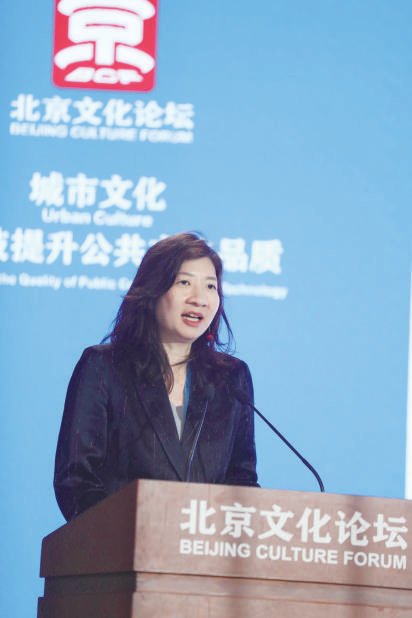
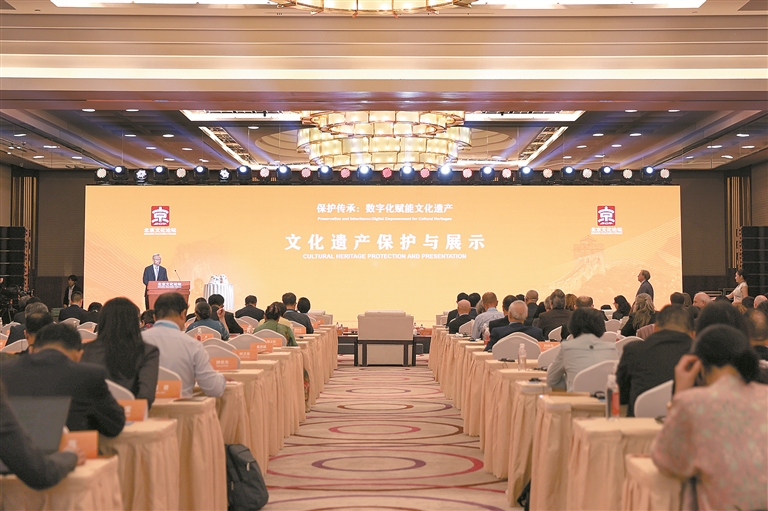
Core Insights - The 2025 Beijing Cultural Forum focuses on how new technologies can enhance public cultural quality, serving as a platform for dialogue among international representatives, scholars, and industry leaders [1] Group 1: Technological Integration in Public Culture - The forum highlighted the intelligent transformation of traditional public cultural spaces, emphasizing the role of artificial intelligence in creating new reading and learning experiences [19][20] - Experts discussed how technology can help museums and cultural institutions tell broader stories and enhance public engagement with art [20][21] - The integration of digital technology is seen as a catalyst for innovation in public cultural services, enabling better accessibility and interaction with cultural heritage [21][22] Group 2: Digital Cultural Services and Platforms - The launch of the "Chinese Ancient Books Intelligent Service Platform" aims to provide open access to over 12,000 digitized ancient books, enhancing public knowledge and cultural resources [22][23] - The platform is designed to transform ancient texts from academic study into accessible public knowledge, contributing to the development of cultural centers [23] Group 3: Cultural Exchange and Global Narratives - The forum included discussions on the global narrative of traditional theater, emphasizing the need for contemporary practices to engage in deeper dialogues with the world [24][25] - Experts advocated for the use of digital technology and immersive experiences to connect traditional art forms with modern audiences [25] Group 4: AI and Library Services - A professional salon focused on the opportunities and challenges libraries face in the age of AI, exploring how new technologies can reshape library services and enhance public engagement [27][28] - The integration of AI in libraries is seen as a way to improve service efficiency and address societal changes brought about by technological advancements [28] Group 5: Digital Art and Museum Development - The salon on digital art and museum trends discussed how museums can innovate in the digital age, blending traditional and modern practices to enhance public engagement [30][31] - The event showcased significant exhibitions that highlight the enduring appeal of traditional Chinese art in contemporary contexts [31] Group 6: International Cooperation in Cultural Heritage - A salon on the international dissemination of intangible cultural heritage emphasized the importance of global cooperation and the role of digital technology in enhancing visibility and understanding of cultural practices [32] - Experts called for a collaborative approach to heritage protection that respects cultural diversity and engages youth in innovative practices [32]
坚定文化自信 建设文化强国 | 共答“文化+科技”时代命题
Zhong Yang Ji Wei Guo Jia Jian Wei Wang Zhan· 2025-09-26 00:21
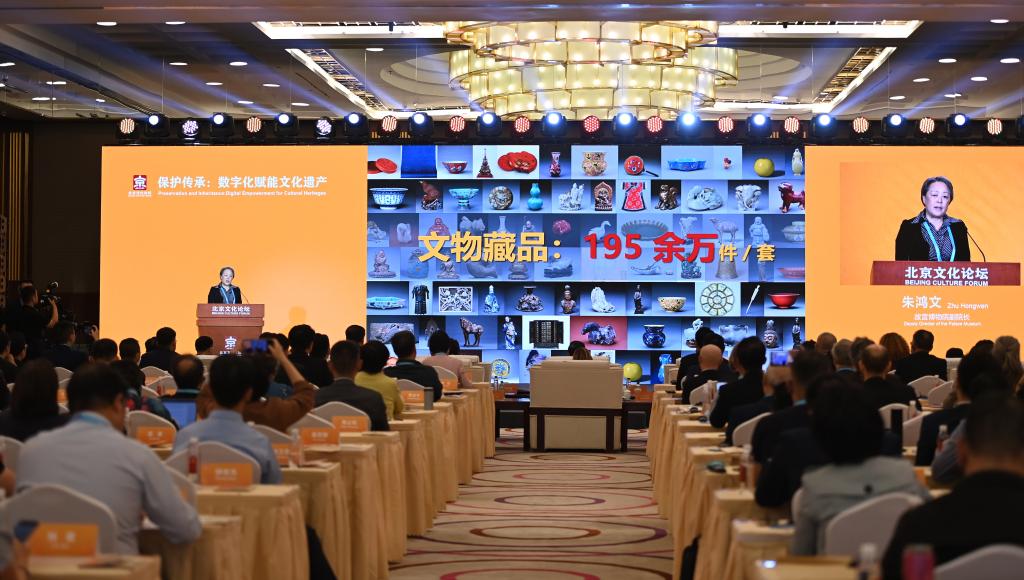
Group 1 - The 2025 Beijing Cultural Forum successfully held discussions on the integration of culture and technology, emphasizing their mutual promotion and deep fusion as essential for cultural prosperity and technological innovation [3][4][10] - The forum featured over 800 domestic and international guests, with multiple parallel forums and professional salons focusing on themes like "cross-boundary symbiosis" and "two-way empowerment" [3][4] Group 2 - Digitalization is highlighted as a crucial preventive measure for cultural heritage protection, with the Palace Museum having digitized over 1 million artifacts out of a total of 1.95 million, aiming to complete the digitization in the next 10 to 20 years [5][6] - The Dunhuang Academy has completed digitalization for 300 caves, with over 500TB of data processed, showcasing the importance of digital technology in preserving cultural heritage [6][8] Group 3 - The launch of the Chinese Ancient Books Intelligent Service Platform aims to provide open access to over 12,000 types and 120,000 volumes of digitized ancient books, enhancing public access to cultural resources [7][8] - The integration of digital technology in cultural exhibitions, such as the Shanghai Museum's immersive "Landscape Jiangnan" exhibition, demonstrates the potential for enhancing visitor engagement through virtual and augmented reality [8][9] Group 4 - The rapid development of artificial intelligence is reshaping artistic creation and cultural industries, with examples like the animated film "Nezha" achieving over 10 billion in box office revenue, showcasing the intersection of culture and technology [12][13] - AI technology is being increasingly adopted in the film industry, streamlining production processes and enhancing creative capabilities, as seen in the film "Only This Green" [13][14]
2025北京文化论坛圆满落幕,用中国经验回答时代之问
Bei Jing Ri Bao Ke Hu Duan· 2025-09-25 11:52
Core Insights - The 2025 Beijing Cultural Forum successfully convened nearly 800 guests, featuring six parallel forums and over 20 professional salons, focusing on the integration of culture and technology [1][3] Group 1: Cultural and Technological Integration - The forum emphasized the opportunities and challenges presented by the integration of culture and technology, with notable discussions on the impact of disruptive technologies like artificial intelligence on cultural transformation [5][6] - Former French Prime Minister Jean-Pierre Raffarin highlighted the necessity of promoting culture within a multilateral framework, asserting that both France and China recognize the profound changes AI could bring to the cultural sector [5][6] Group 2: Digital Technology in Cultural Heritage - The importance of digital technology in preserving and sharing cultural heritage was underscored, with examples such as the Palace Museum's AI knowledge graph and the Dunhuang Research Academy's digital resources reaching over 20 million global visitors [6][8] - The National Library of China has digitized over 120,000 ancient texts, supporting academic research and public learning, while the "Cloud Central Axis" project has engaged over 1.09 million participants in heritage protection [6][8] Group 3: Cultural Industry Growth - The forum showcased the potential of cultural industries, with popular cultural products like the National Museum's refrigerator magnets achieving sales exceeding 1 million units, and the game "Black Myth: Wukong" generating over 10 billion yuan in sales [8][10] - The cultural industry is seen as a vital source of happiness and social cohesion, with favorable conditions for development highlighted during the Cultural Industry Investors Conference [10] Group 4: Challenges in the Digital Age - The rapid advancement of AI technology poses challenges for copyright management in creative industries, necessitating new frameworks for data usage and content creation [12] - Experts emphasized the need for a new ecosystem to adapt to the evolving landscape of AI-generated content, focusing on the balance between technology and cultural originality [12][13]


虚实结合更新服务体验
Jing Ji Ri Bao· 2025-09-24 22:49
Core Viewpoint - The 2025 Beijing Cultural Forum highlighted the role of new technologies in enhancing public cultural quality, emphasizing the shift towards personalized, intelligent, and immersive cultural experiences [1][2]. Group 1: Technological Integration in Public Culture - Over a hundred representatives discussed how technology is reshaping public cultural services, making them more accessible and engaging for the public [1]. - The National Library of Singapore is transforming from a traditional library into a smart learning space, utilizing generative AI to create interactive reading experiences [1][2]. - The integration of AI and other technologies is seen as a core force in redefining cultural institutions from content providers to experience designers [2]. Group 2: Expanding Reading Services - The National Library of China is innovating reading services by embracing technological advancements to present collections and exhibitions in more engaging ways [2]. - The concept of "technology for good" is emphasized, focusing on social benefits and ensuring digital culture is accessible to all [2]. Group 3: Future Directions and Initiatives - The forum discussed the need for a new mechanism to integrate key technologies with cultural scenarios, aiming for a collaborative policy approach to foster a thriving cultural and technological ecosystem [3]. - The launch of the Chinese Ancient Books Intelligent Service Platform aims to digitize over 12,000 ancient texts, supporting academic research and public learning [3].
2025北京文化论坛上 专家这样热议文化中的含“科”量
Xin Hua Wang· 2025-09-24 20:03
Group 1 - The integration of technology and culture is creating new experiences for cultural heritage, allowing for virtual exploration and interaction with historical artifacts [1][2] - The "Digital Dunhuang Resource Library" has shared high-definition images of 30 caves and has been accessed by 78 countries, with over 20 million visits [2] - Museums are increasingly using IoT and AI technologies for preventive conservation, enhancing risk warning and adaptive control measures [2] Group 2 - The rapid advancement of technology is reshaping cultural innovation and creating new pathways for cultural expression [4] - The deep integration of artificial intelligence and art is redefining the boundaries of the art field, leading to new creative dimensions [4] - The digital wave is transforming cultural dissemination from a "one-way output" to "interactive coexistence," promoting global sharing [4]