新型电力系统生态圈

Search documents
光伏第一省的"红区"烦恼和探索之道
Zhong Guo Xin Wen Wang· 2025-09-30 02:19
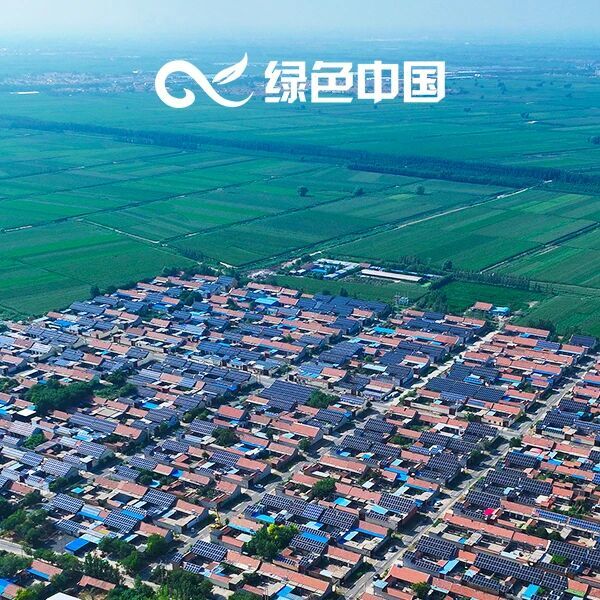
Core Insights - The article highlights the rapid growth of distributed photovoltaic (PV) systems in rural China, particularly in Shandong province, which has the highest installed capacity in the country, but faces challenges related to grid overload and energy consumption efficiency [1][2][4]. Group 1: Current Situation - As of the end of 2024, Shandong's distributed PV installed capacity exceeds 50.2 million kilowatts, maintaining its position as the national leader [2][3]. - Over 150 regions in China are classified as "red zones," indicating that local grids cannot accommodate additional distributed PV projects due to capacity constraints [2][4]. - In Shandong, 53 out of 136 counties are under "restricted" warning levels for low-voltage grid connections, indicating significant challenges in energy consumption [3][4]. Group 2: Challenges - The rapid increase in distributed PV installations has led to issues such as excess generation during peak sunlight hours, resulting in grid overload and safety hazards [4][5]. - The existing grid infrastructure, originally designed for unidirectional flow, is struggling to adapt to the bidirectional flow created by distributed energy sources [4][5]. Group 3: Solutions - Strategies to address the "red zone" crisis include integrating energy storage systems to manage excess generation and enhance grid capacity [5][6]. - The establishment of local consumption scenarios, such as community service facilities utilizing PV energy, can help alleviate pressure on the grid by consuming energy on-site [6][7]. Group 4: Future Outlook - The development of a new electricity ecosystem that includes diverse stakeholders is essential for optimizing distributed energy resources and ensuring efficient consumption [7][8]. - The potential for distributed renewable energy to play a significant role in China's future energy structure is emphasized, particularly in densely populated areas [8][9]. - Long-term solutions involve upgrading rural grid infrastructure and creating market mechanisms for energy trading to facilitate better resource allocation [9].
光伏第一省的“红区”烦恼和探索之道
Zhong Guo Xin Wen Wang· 2025-09-29 13:36
Core Viewpoint - The rapid growth of distributed photovoltaic (PV) installations in rural China, particularly in Shandong province, is facing significant challenges due to the inability of local power grids to absorb the excess electricity generated, leading to the designation of many areas as "red zones" where new projects cannot be connected to the grid [3][5][9]. Group 1: Current Status of Distributed PV in Shandong - Shandong province has the highest installed capacity of distributed PV in China, exceeding 50.2 million kilowatts by the end of 2024, which is equivalent to numerous small green power stations on rooftops and commercial buildings [3][4]. - As of 2024, over one-third of Shandong's counties are classified as "red zones," indicating that the local grid cannot effectively absorb additional distributed PV electricity [5][6]. Group 2: Challenges Faced - The rapid increase in distributed PV capacity has led to a situation where excess electricity generated during peak sunlight hours cannot be utilized, resulting in potential overloads and safety hazards in the power grid [5][6]. - The local power distribution networks, originally designed for unidirectional flow, are now struggling to manage the bidirectional flow of electricity due to the surge in distributed PV installations [5][9]. Group 3: Solutions and Innovations - Solutions to the "red zone" crisis include integrating energy storage systems to store excess electricity generated by PV installations, which can then be released when needed, effectively increasing the grid's capacity to absorb new projects [6][7]. - The establishment of local consumption scenarios, such as community service facilities utilizing PV energy, has shown promise in reducing reliance on the grid and enhancing local energy self-sufficiency [7][8]. Group 4: Future Directions - The development of a new power system ecosystem is essential for addressing the challenges of distributed energy, requiring collaboration among local governments, PV owners, and grid operators to create a market and trading mechanisms for excess electricity [9][10]. - The potential for distributed renewable energy to play a significant role in China's energy structure is substantial, particularly in densely populated areas, but it necessitates a coordinated effort to optimize resource allocation and ensure sustainable development [10][11].