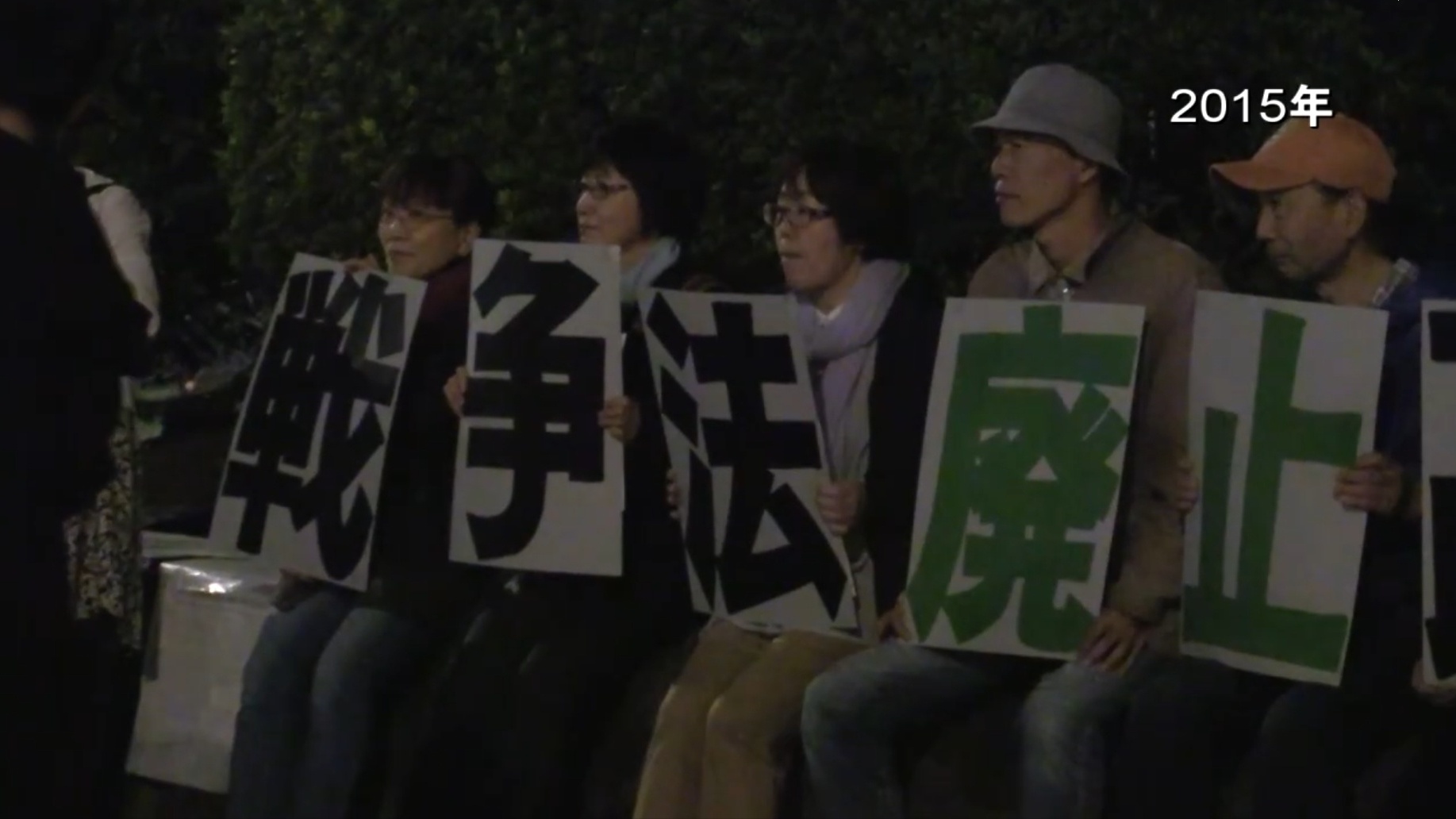
新安保法案

Search documents
岛内舆论批高市早苗:“日本凭什么跟中国大陆硬杠?”
Zhong Guo Xin Wen Wang· 2025-11-16 08:57
Group 1 - Japanese Prime Minister Sanna Takashi made provocative remarks regarding Taiwan in the National Diet, suggesting that a sudden situation in Taiwan could trigger Japan's collective self-defense rights [1] - The term "existential crisis situation" was introduced in Japan's 2015 security legislation, allowing Japan to assist allies even if its territory is not directly attacked [1] - Takashi's statements are seen as a significant shift, as she is the first sitting prime minister to explicitly link Taiwan's situation to Japan's security, potentially opening the door for military intervention [1] Group 2 - Former legislator Guo Zhengliang compared Japan's stance to Taiwan's DPP's "anti-China, protect Taiwan" narrative, indicating a shared aggressive posture [2] - The Chinese government has warned that any attempts by Taiwan to rely on external forces for independence will ultimately fail [2] - The Chinese Ministry of National Defense emphasized that any reckless military intervention by Japan in the Taiwan Strait would result in severe consequences [2]
视频丨涉台谬论引发朝野各方反对 日本民众集会要求高市早苗下台
Yang Shi Xin Wen Ke Hu Duan· 2025-11-16 01:43
Core Viewpoint - Japanese Prime Minister Sanae Takaichi's recent statements in the Diet suggest a potential military intervention in the Taiwan issue, marking a significant shift in Japan's defense posture since World War II [1][5][14]. Summary by Sections Definition of "Existential Crisis Situation" - The term "existential crisis situation" was created by former Prime Minister Shinzo Abe a decade ago, allowing Japan to exercise collective self-defense in cases where a closely related foreign country is attacked, threatening Japan's survival [4][6]. - This concept is seen as a legal loophole to bypass the restrictions imposed by Japan's pacifist constitution, particularly Article 9, which prohibits military actions [4][6]. Takaichi's Ambitions and Policy Shifts - Takaichi, identifying as a successor to Abe's policies, has linked the Taiwan issue to Japan's "existential crisis," suggesting that Taiwan's situation threatens Japan's survival [5][6]. - The Japanese government is reportedly planning a significant shift in defense policy, including increasing military spending and potentially revising the "Three Non-Nuclear Principles" [9][10]. Domestic Reactions and Criticism - Takaichi's remarks have sparked widespread criticism within Japan, with former Prime Ministers and political figures expressing shock and urging her to retract her statements [14][16]. - Public protests have emerged, with citizens demanding Takaichi's resignation and expressing concerns over her provocative rhetoric towards China [17]. Historical Context and Implications - Analysts warn that Japan's historical pattern of military expansion often begins with a narrative of "crisis," which has been used to justify past aggressions [5][6]. - The current political climate reflects a resurgence of right-wing sentiments in Japan, aiming to reshape the post-war pacifist narrative and challenge the established international order [17].