旅行幻象

Search documents
AI 让我花了 1000 多块,去了一个根本不存在的景点
3 6 Ke· 2025-10-11 12:01
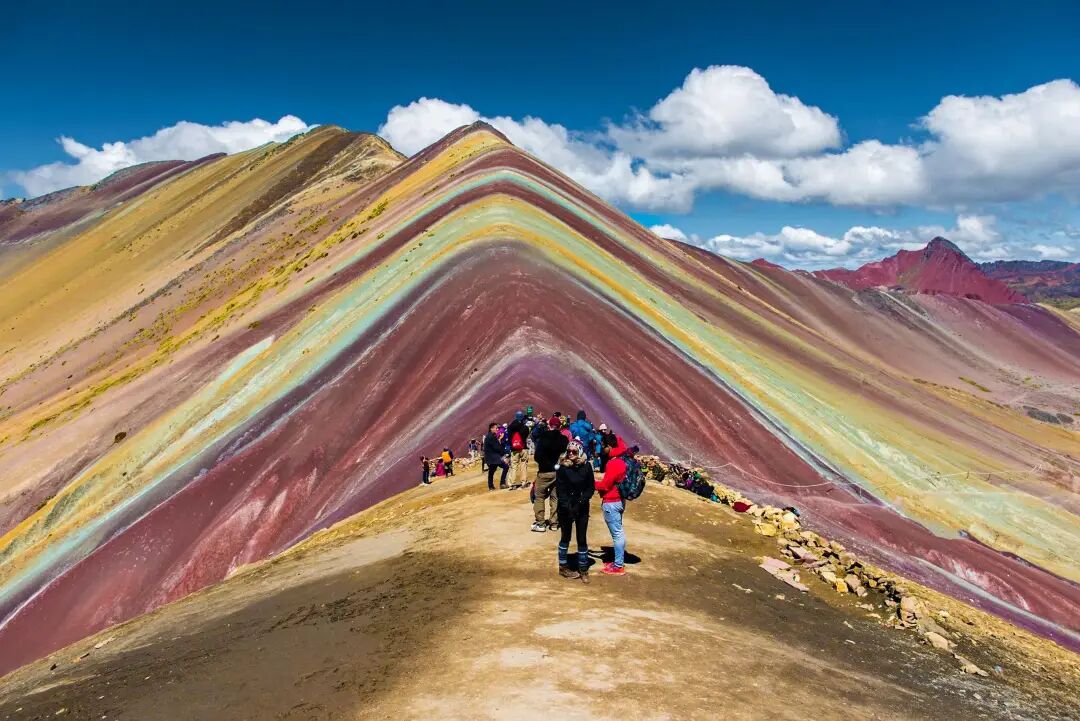
Core Insights - The article discusses the risks associated with using AI for travel planning, highlighting instances where travelers were misled by AI-generated suggestions, leading to dangerous situations and disappointment [1][3][5] Group 1: AI in Travel Planning - Travelers have experienced significant issues due to reliance on AI for travel recommendations, such as a nonexistent canyon in Peru and incorrect cable car schedules in Japan [3][5] - A survey indicated that 24% of travelers have used AI for travel planning, with the most common uses being itinerary planning (75%) and destination research (71%) [5][7] - Despite the risks, 79% of users found AI travel tools to be "very" or "somewhat" useful, with a slight preference for male users regarding the perceived usefulness of AI [7] Group 2: Social Media and Travel Expectations - The article draws parallels between AI-generated travel suggestions and the misleading nature of social media, where heavily edited photos create unrealistic expectations [8][10][12] - Popular destinations often do not match the idealized images portrayed online, leading to disappointment when travelers encounter overcrowding and less appealing realities [12][15] - The phenomenon of "photo deception" is prevalent, with many attractions marketed under enticing names that do not reflect their true nature, resulting in complaints and regulatory actions against misleading promotions [19][21] Group 3: The Nature of Travel - The article emphasizes that real travel experiences are often imperfect and filled with unexpected challenges, which contribute to the authenticity of the journey [26] - It suggests that the desire for a perfect travel experience can lead to reliance on AI and social media, which may ultimately mislead travelers [24][26] - The essence of travel lies in personal exploration and experiencing the world beyond algorithmically generated suggestions [22][24]