
无人继承遗产处置

Search documents
46岁上海独身女子离世,远亲无法用其遗产为她买墓地?民政部门:类似案例属首次出现
Mei Ri Jing Ji Xin Wen· 2025-12-19 08:44
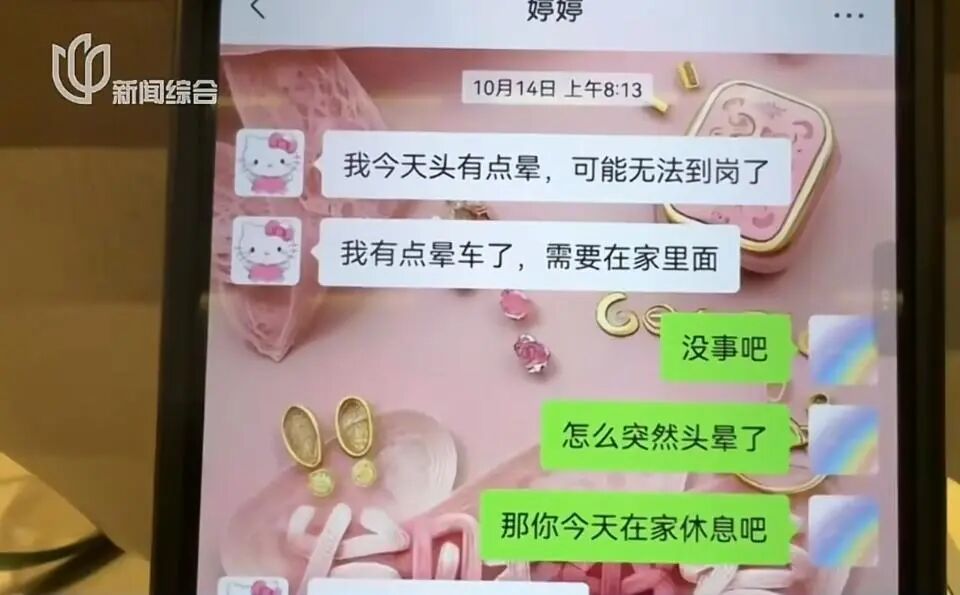
Core Viewpoint - The case of Ms. Jiang highlights the challenges faced by individuals without close relatives in managing their affairs after death, particularly regarding inheritance and funeral arrangements, raising questions about the adequacy of current legal frameworks and social support systems [22][23]. Group 1: Medical Situation - Ms. Jiang, a 46-year-old woman living alone in Shanghai, was diagnosed with a brain hemorrhage and required surgery after being unable to move due to dizziness [1][3]. - After two months of treatment, her condition initially improved, but she experienced a sudden decline after being transferred to a private rehabilitation hospital [8][10]. Group 2: Family and Legal Issues - Ms. Jiang had no immediate family, as both her parents had passed away, and she had no spouse or children, leading to complications in her medical and legal affairs [8][20]. - The lack of a close relative meant that her estate would be managed by the civil affairs department, raising concerns about how her funeral expenses could be covered [13][20]. Group 3: Funeral Arrangements and Inheritance - There is no clear legal framework regarding the use of a deceased person's estate for their own funeral expenses, leading to disputes over whether Ms. Jiang's friends and distant relatives could use her funds for her memorial service [15][22]. - The civil affairs department indicated that any expenses for funeral arrangements must be within a reasonable range, but the criteria for what constitutes "reasonable" are not well-defined [17][23]. Group 4: Societal Implications - The case reflects a growing trend of single individuals without close family ties, highlighting the urgent need for policies that address their rights and needs in end-of-life situations [19][22]. - Legal experts suggest that the government should consider establishing emergency assistance funds to support individuals in similar situations, as the aging population and declining birth rates may lead to more cases like Ms. Jiang's [19][20].

壹快评丨“孤独死”者遗产不能给自己买墓地?为民办事讲“法”之前不妨先讲“情”
第一财经· 2025-12-17 09:55
Core Viewpoint - The article discusses the legal complexities surrounding the inheritance of unclaimed estates, highlighted by the case of a deceased woman in Shanghai whose estate was subject to public management due to the absence of heirs. The situation raises questions about the balance between legal procedures and human empathy in public administration [4][5][7]. Summary by Sections Legal Framework - According to Article 1160 of the Civil Code, unclaimed estates revert to the state for public welfare if there are no heirs or legatees. Article 1145 states that if there are no heirs or they renounce their inheritance, the local civil affairs department or village committee acts as the estate manager [4][5]. - The Shanghai Municipal Government's guidelines clarify that the civil affairs department must handle the estate according to legal procedures, and any remaining assets can be claimed by the state after settling debts [4][5]. Public Reaction - The case has sparked public criticism towards the civil affairs department and community workers for their perceived insensitivity. Many people are unaware of the legal stipulations regarding unclaimed estates, leading to misunderstandings [6][7]. - The response from officials, particularly the statement about "only being able to provide a sea burial," was viewed as cold and lacking empathy, contributing to public outrage [6][7]. Recommendations for Improvement - The article suggests that public officials should balance legal compliance with empathy in their interactions with the public. This includes improving communication, providing clear explanations of policies, and expediting processes to avoid further conflict [6][7]. - It emphasizes the need for public administration to reflect a "people-oriented" governance philosophy, where legal principles are applied alongside emotional understanding and care for citizens' experiences [7].

独身逝者遗产不能给自己买墓地?为民办事讲“法”之前不妨先讲“情”
Di Yi Cai Jing· 2025-12-17 09:13
Core Viewpoint - The case of Ms. Jiang's inheritance highlights the conflict between legal regulations regarding unclaimed estates and public sentiment, emphasizing the need for a balance between legal adherence and human compassion in administrative processes [1][4]. Legal Framework - According to Article 1160 of the Civil Code, unclaimed estates without heirs revert to the state for public welfare, while Article 1145 states that if there are no heirs or they renounce inheritance, the local civil affairs department or village committee acts as the estate manager [2]. - The Shanghai Municipal Government's guidelines specify that after managing debts and assets, any remaining estate can be claimed by the state through a court process, and funeral expenses must be validated through legal procedures [2]. Public Reaction - The public criticism stems from a lack of understanding of the legal framework governing unclaimed estates, as many people naturally assume they can use their own inheritance for their funeral arrangements [3]. - The communication style of officials, particularly the phrase "only a sea burial is possible," was perceived as cold and insensitive, contributing to public outrage [3]. Proposed Solutions - The resolution lies in balancing legal compliance with empathetic engagement, ensuring that the civil affairs department operates within the law while also considering the emotional needs of the deceased's friends and family [4]. - It is essential for officials to communicate policies effectively, demonstrate understanding, and expedite processes to prevent further conflict [4].
壹快评丨独身逝者遗产不能给自己买墓地?为民办事讲“法”之前不妨先讲“情”
Di Yi Cai Jing· 2025-12-17 08:39
Core Viewpoint - The incident surrounding the estate of the deceased Ms. Jiang highlights the tension between legal regulations regarding unclaimed inheritances and the emotional needs of the deceased's friends and relatives, emphasizing the need for a balance between legal adherence and human empathy in public service [2][4][5]. Legal Framework - According to Article 1160 of the Civil Code, inheritances with no heirs or legatees are to be claimed by the state for public welfare, while Article 1145 states that if there are no heirs or they renounce their inheritance, the local civil affairs department or village committee will act as the estate manager [3]. - The Shanghai Municipal Government's guidelines clarify that the civil affairs department must manage the estate according to legal procedures, and any funeral expenses must be validated by the court [3]. Public Reaction - The response from the community and media has been critical of the civil affairs department and local committee for their perceived lack of compassion, indicating a disconnect between legal processes and public understanding [2][4]. - The cold nature of the bureaucratic response, particularly the statement about "only being able to provide a sea burial," has been cited as a significant factor in public dissatisfaction [4]. Proposed Solutions - The resolution of this issue requires finding a balance between strict legal compliance and demonstrating human warmth in public service [5]. - It is suggested that the civil affairs department should adopt a more empathetic approach in their communications and expedite processes to avoid further conflict [5].