日咖夜酒

Search documents
当咖啡节成“网红主理人签名会”,精品咖啡赚钱路子变了
Hu Xiu· 2025-04-21 00:12
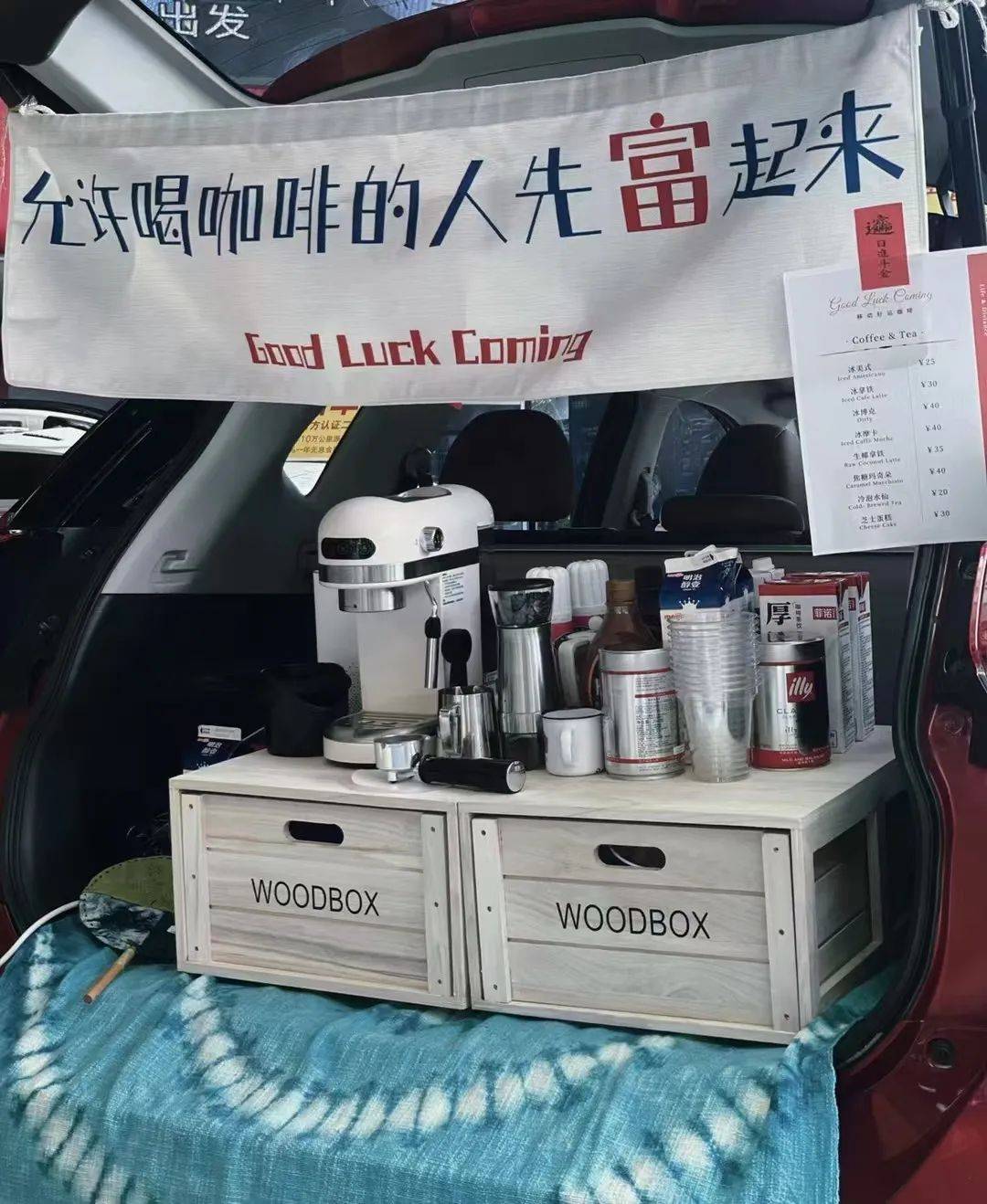
Core Insights - The coffee market is experiencing a significant boom, with coffee festivals being held in cities like Beijing, Chengdu, and Chongqing, attracting numerous popular coffee shop owners and enthusiasts [1][2] - Despite the vibrant market, there are reports of coffee shop closures and challenges faced by independent coffee shop owners, indicating a dichotomy in the industry [3][6] - The rise of low-cost coffee brands, such as Luckin Coffee, has raised questions about the sustainability of high-priced specialty coffee shops [5][40] Group 1: Market Dynamics - The coffee festival scene has evolved, featuring celebrity coffee shop owners and live performances, enhancing the overall experience and attracting large crowds [2][10] - The presence of popular figures like Boram Um, a champion barista, has turned coffee festivals into events akin to celebrity meet-and-greets, drawing significant consumer interest [12][13] - The independent specialty coffee market is facing a cooling period starting in 2024, following a rapid growth phase from 2021 to 2023 [7][33] Group 2: Business Challenges - Many specialty coffee shops are struggling with profitability, facing high operational costs and competition from efficient, low-priced chain brands [6][40] - The financial viability of participating in coffee festivals is questionable, as many shop owners report difficulty in recouping costs associated with booth fees and logistics [23][24] - The market is witnessing a decline in investment events, with a drop from 18 investment occurrences in 2023 to 10 in 2024, indicating a shift in investor sentiment [33][41] Group 3: Adaptation Strategies - Coffee shop owners are exploring new business models, such as leveraging social media for personal branding, diversifying product offerings, and engaging in training services to increase revenue [8][44][50] - The trend of "day coffee, night alcohol" is gaining traction, with many coffee shops incorporating bar elements to attract a broader customer base [47][48] - Some owners are focusing on selling coffee beans to other businesses as a way to enhance profit margins and reduce costs [34][35] Group 4: Consumer Sentiment - While coffee festivals attract many enthusiasts, some consumers express dissatisfaction with the experience, citing high prices and long wait times [21][22] - The perception of specialty coffee is being challenged by the availability of cheaper alternatives, leading to a reevaluation of value among consumers [40][41] - The market remains in a phase of consumer education, with many still learning to distinguish between different quality levels of coffee [51][52]

密集上新 多个新商业项目“赶考”南城商业
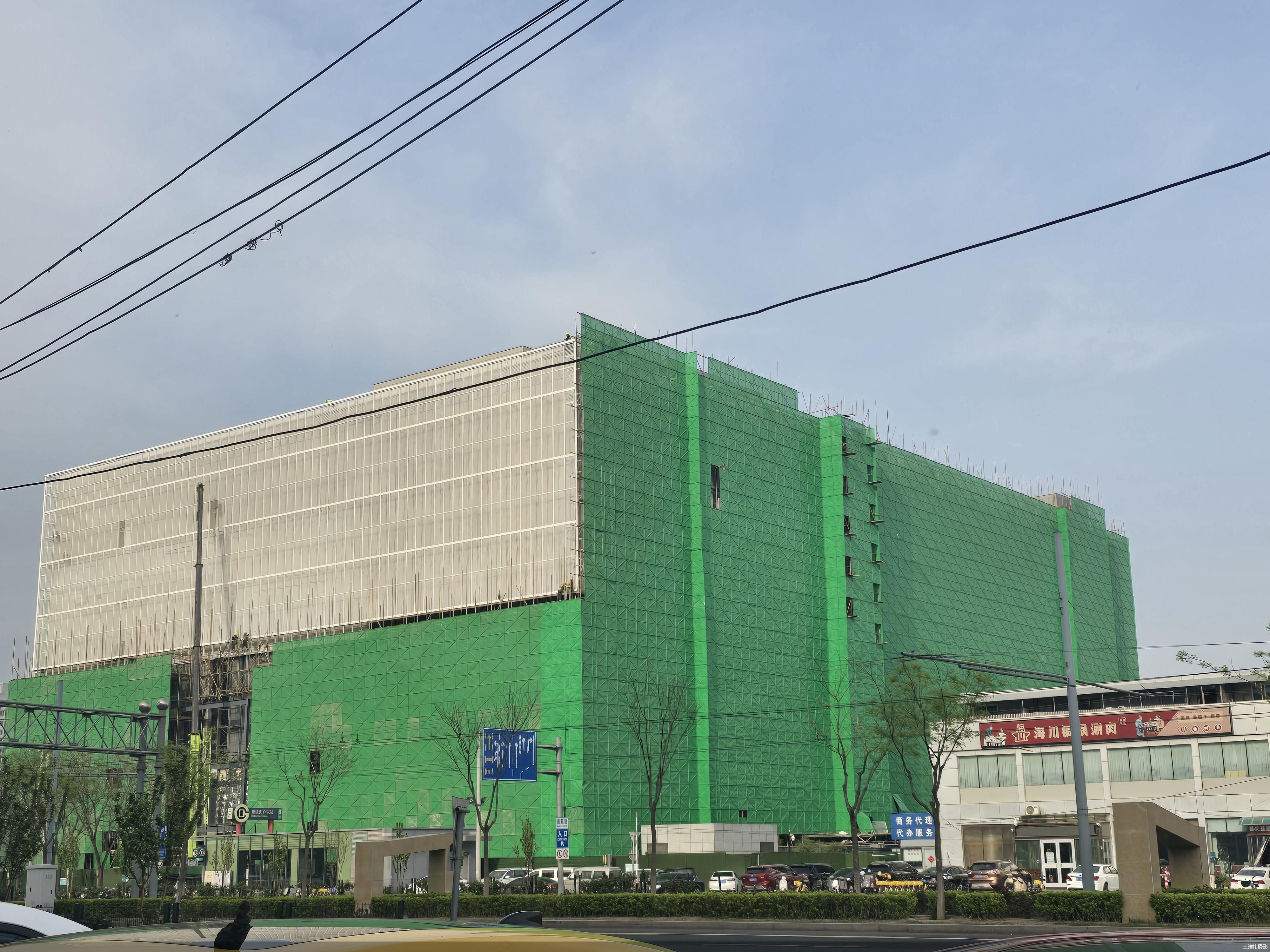
Bei Jing Shang Bao· 2025-04-13 12:00
Core Insights - The commercial landscape in South Beijing is set to undergo significant changes with the opening of at least four new commercial projects in the next two years, aiming to tap into the consumption potential of the area [1][9] - The new commercial entities are expected to actively adjust their brand strategies to better cater to the local customer base, potentially altering the current commercial dynamics [1] Group 1: New Commercial Projects - The new projects include JD Life Port, Shangde Yintai City, Yuanchuang Metropolis, and Jinshi Plaza, which are scheduled to open this year and next [2][6] - JD Life Port, located near the Dahongmen business circle, will be the largest JD Super Experience Store in the country, covering a total area of 106,000 square meters [6] - Yuanchuang Metropolis will have a total construction area of 148,000 square meters, with 37,000 square meters designated for commercial use, focusing on a variety of retail and dining experiences [6] - Shangde Yintai City will feature a total area of 155,000 square meters, including 56,000 square meters of commercial space and a 23,000 square meter immersive garden square [6] Group 2: Market Competition and Consumer Trends - The introduction of JD Life Port is expected to fill a gap in the South Beijing commercial market, while existing popular projects like Beijing Huiju continue to attract significant foot traffic [8][9] - Beijing Huiju has successfully maintained a stable customer flow, with an annual foot traffic of approximately 30 million, and has been actively adjusting its brand offerings [8] - The new projects must adapt to changing consumer demands, focusing on value for money and family-oriented consumption, while also enhancing the variety of entertainment, leisure, and educational offerings [10] - Improving transportation links and service quality is crucial for attracting consumers from surrounding areas and ensuring long-term sustainability of the new commercial projects [10]