
时间可视化

Search documents
谋划城市复兴旗舰项目 强化韧性城市建设 委员为这些问题支招儿
Xin Lang Cai Jing· 2026-01-24 17:35
Group 1 - The Beijing Municipal Political Consultative Conference emphasizes the need for urban connotation development and enhancing governance efficiency in the capital city [1][3] - There is a call for planning flagship urban renewal projects that are internationally influential and high-quality, which differ from general renovation projects by showcasing high energy levels and long industrial chains [3] - The focus is on creating a project system at three levels: international, city, and regional, with each district identifying 1-2 key directions to leverage regional potential [3] Group 2 - The construction of resilient cities is highlighted, with a focus on improving flood control capabilities and modernizing existing infrastructure [4] - Recommendations include enhancing the redundancy and interconnectivity of critical systems such as energy and transportation to ensure operational continuity during extreme conditions [4] - Policies should incorporate emergency facilities and improve the management of emergency resources and logistics [4][6] Group 3 - The need for "time visualization" in public service areas like hospitals and airports is identified to reduce public anxiety related to waiting times [5] - A unified system for time visualization is proposed, requiring coordination across departments to break down data silos and enhance service efficiency [5][6] - The establishment of pilot projects in key locations is suggested to create replicable models for broader implementation [6] Group 4 - The establishment of a monitoring system for new pollutants is recommended to support ecological protection efforts in Beijing [8][9] - A focus on quantifying environmental improvement goals and setting phased targets for the next decade is emphasized, particularly for PM2.5 and VOCs [8] - The integration of data across various sectors is necessary to enhance water ecological resilience and pollution control [9] Group 5 - The importance of enhancing the functionality of transit stations is discussed, with a recommendation to cluster medical and educational resources around transit hubs [10] - Current connectivity rates between transit stations and surrounding buildings are low, indicating a need for improved infrastructure and service integration [10][11] - Suggestions include accelerating the construction of new rapid transit lines and enhancing existing networks to improve travel efficiency [11] Group 6 - The concept of "smart legal governance" is proposed to enhance data sharing and governance efficiency in Beijing [12] - A data sharing liability mechanism is suggested to encourage departments to share data without fear of legal repercussions [12] - The introduction of advanced analytical models to assess public service data is recommended to identify systemic issues and improve governance practices [12]

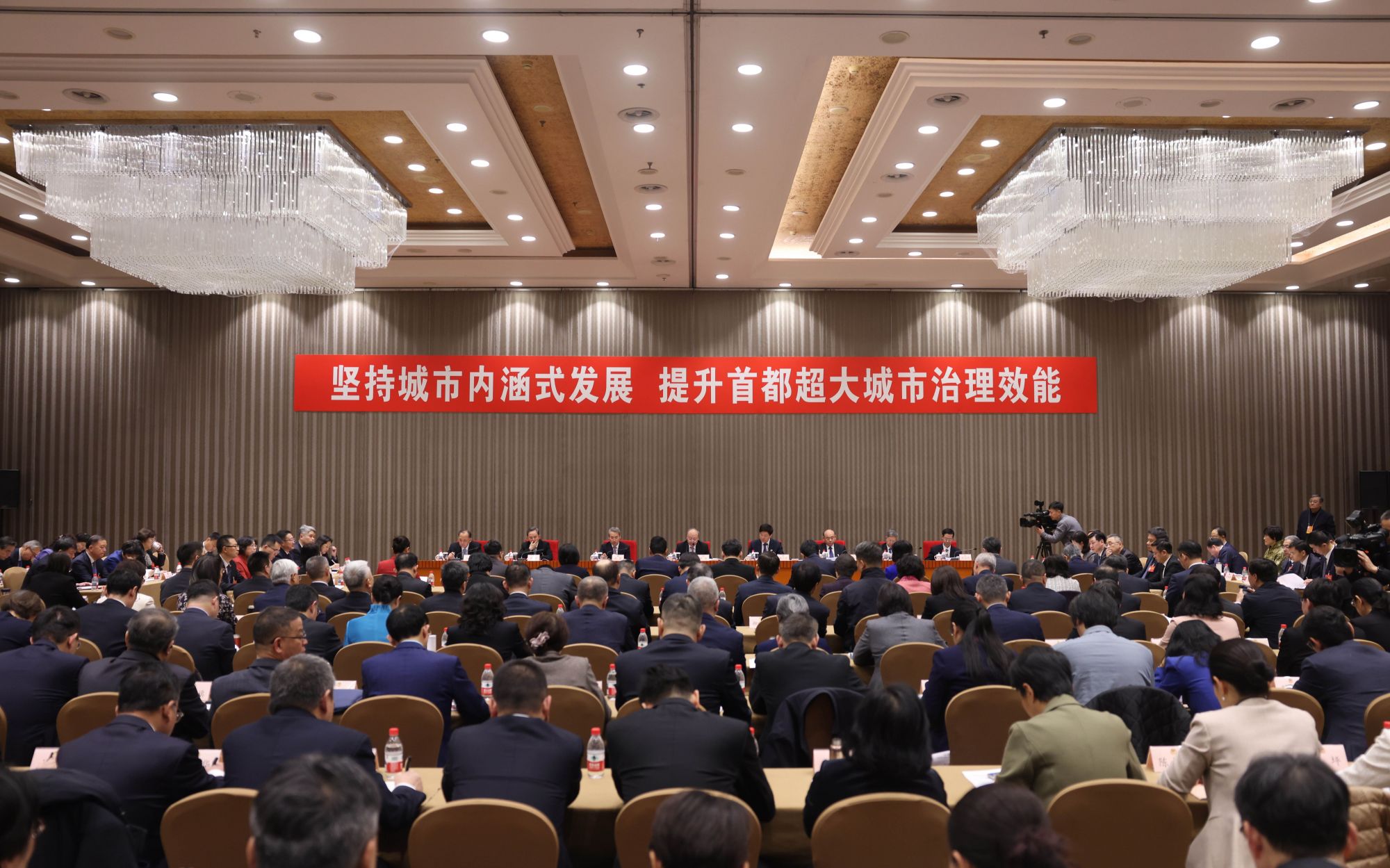
北京政协委员建言提升超大城市治理效能
Xin Lang Cai Jing· 2026-01-24 13:23
Group 1 - The Beijing Municipal Committee's meeting emphasized the importance of planning flagship urban revitalization projects to enhance the city's governance efficiency and stimulate economic growth [1] - The focus areas for these flagship projects include industrial transformation, transportation hubs, and cultural districts, aiming to optimize urban functionality and expand domestic demand [1] - The proposal includes creating a project library that addresses traditional industry upgrades and the cultivation of emerging industries, as well as comprehensive development around transportation nodes [1] Group 2 - A recommendation was made to establish a "Beautiful Beijing" evaluation indicator system, focusing on air quality improvement and carbon reduction goals to facilitate green and low-carbon transitions in various sectors [2] - The suggestion includes accelerating the conversion of existing fuel vehicles to electric ones and promoting the full electrification of public transport vehicles to address air quality challenges [2] - The proposal also highlights the need for an upgraded smart traffic management system to reduce congestion and emissions from idling vehicles [2] Group 3 - Observations were made regarding the persistent "blind waiting" phenomenon at public service points, which affects citizens' sense of satisfaction and happiness [3] - The key issue is identified as the lack of cross-departmental coordination and data integration rather than the technology itself, as standardized scenarios in public transport have already achieved "time visualization" [3] - A recommendation was made to develop a unified "time visualization" system across the city, with clear technical standards and data interface specifications to enhance service efficiency [3]