
新污染物治理

Search documents
LC-MS/MS与无氟耗材迎爆发式增长,工业排污首纳PFAS强标
仪器信息网· 2026-03-27 08:59
Core Viewpoint - The regulation of new pollutants is transitioning from a "macro list" to a "refined standard" phase, with the Ministry of Ecology and Environment recently releasing draft standards for wastewater discharge in the petroleum refining and synthetic resin industries [1][2]. Regulatory Background - The introduction of PFOA and PFOS into industrial wastewater discharge standards marks a significant step in the management of persistent organic pollutants (POPs) in China, with this being the first national-level regulation for the petroleum refining and synthetic resin sectors [5]. Standard Interpretation - The new standards impose stringent limits on PFOA and PFOS, requiring existing synthetic resin enterprises to meet a phased limit of 4000 ng/L, tightening to 800 ng/L, while new facilities must adhere to a strict limit of 100 ng/L. PFOA and PFOS must not be detected in the petroleum refining industry [6]. Market Impact - The demand for monitoring new pollutants will drive growth in the detection market, with specific monitoring methods outlined, including the use of LC-MS/MS technology for high sensitivity detection [7][8]. Monitoring Frequency - Enterprises are required to conduct self-monitoring at least once every six months [8]. Detection Costs - The estimated cost for single sample detection is around 2000 yuan [9]. Treatment Technologies - Two main wastewater treatment technologies are highlighted: - Adsorption methods (resin/activated carbon) are cost-effective and efficient (>80%) but generate hazardous waste, leading to high disposal costs [10]. - Membrane separation methods (nanofiltration/reverse osmosis) offer nearly 100% efficiency but face challenges such as short membrane lifespan and high costs, with treatment costs for synthetic resin companies estimated between 2 to 10 yuan per ton, while petroleum refining costs may reach 26 yuan per ton [11]. Future Outlook - The inclusion of PFOA and PFOS in national industry water pollution discharge standards is just the beginning, with expectations for more industries to follow suit in establishing PFAS discharge limits [11]. Companies in the analysis instrument, third-party testing, and environmental water treatment sectors should prepare to capitalize on this emerging market [12].


加强新污染物治理引关注丨解读政府工作报告
Xin Lang Cai Jing· 2026-02-03 16:43
Group 1 - The core focus of the Sichuan Provincial Government's work report is to enhance pollution prevention efforts, particularly in the management of new pollutants, indicating a shift from "implementation" to "strengthening" in the governance of new pollutants over the past three years [1] - New pollutants include persistent organic pollutants, endocrine disruptors, antibiotics, and microplastics, characterized by their severe hazards, hidden risks, environmental persistence, wide-ranging sources, and complex management [1] - The "Sichuan Province New Pollutant Governance Work Plan" was issued on December 16, 2022, outlining the establishment of a governance system for new pollutants and emphasizing ecological protection to promote high-quality economic and social development [1] Group 2 - Yibin City is focusing on building an ecological priority green low-carbon development zone, promoting green factories and industrial parks, and has created 13 national-level green factories and approved 2 provincial-level zero-carbon industrial park pilot projects [1] - Jiuzhaigou County allocates special funds annually for the recycling and disposal of pesticide packaging waste, with 127 recycling points established to cover all villages [2] - The reduction of pesticide use in Jiuzhaigou County is complemented by the promotion of green pest control technologies, such as solar insecticidal lamps and biodegradable pest traps, contributing to the production of more green and pollution-free agricultural products [2][3]

几乎看不见的污染,厦门这样治理
Ren Min Ri Bao· 2026-01-28 02:50
Core Viewpoint - The article emphasizes the importance of managing new pollutants, which include persistent organic pollutants, endocrine disruptors, antibiotics, and microplastics, and highlights the collaborative efforts in Xiamen to promote green production and lifestyle practices [2][3][4]. Group 1: Definition and Types of New Pollutants - New pollutants are defined as toxic and harmful chemical substances with characteristics such as biological toxicity, environmental persistence, and bioaccumulation, posing significant risks to ecological environments and human health [3][4]. - The main types of new pollutants include persistent organic pollutants, endocrine disruptors, antibiotics, and microplastics, which are prevalent in everyday products like fast food containers, plastic bags, and packaging materials [3][4]. Group 2: Management and Governance of New Pollutants - Xiamen has strengthened the collaborative governance of new pollutants, exploring environmental risk control throughout the entire lifecycle of these pollutants [2][5]. - Effective management requires enhanced detection and regulatory measures, focusing on the entire lifecycle from production to disposal, necessitating multi-party cooperation [5][6]. - The city has implemented regulations and technical guidelines to conduct scientific assessments during project introductions, integrating toxic chemical management with environmental impact assessments [7][9]. Group 3: Community Involvement and Individual Actions - Individuals can contribute to the management of new pollutants by reducing the use of products containing potential new pollutants, actively participating in waste sorting and recycling [8][9]. - The public is encouraged to stay informed about new pollutant governance initiatives and to promote awareness among family and friends to foster a collaborative societal approach [9].
几乎看不见的污染,厦门这样治理(美丽中国·关注地方生态治理)
Ren Min Ri Bao· 2026-01-28 00:56
Core Viewpoint - The article emphasizes the importance of managing new pollutants, which include persistent organic pollutants, endocrine disruptors, antibiotics, and microplastics, as part of the "14th Five-Year Plan" in China, with a focus on collaborative governance in Xiamen, Fujian province [1][2]. Group 1: Definition and Types of New Pollutants - New pollutants are defined as toxic and harmful chemical substances with biological toxicity, environmental persistence, and bioaccumulation characteristics, posing significant risks to ecological environments and human health [2][3]. - Common examples of new pollutants include persistent organic pollutants, endocrine disruptors, antibiotics, and microplastics, which are prevalent in everyday products such as fast food containers, plastic bags, and packaging materials [2][3]. Group 2: Governance and Management Strategies - Effective governance of new pollutants requires enhanced detection and management levels, focusing on full lifecycle control from production to disposal [4][5]. - The Xiamen Environmental Protection Bureau is implementing measures such as industry technical specifications and chemical substance management lists to promote technological upgrades in enterprises, thereby enhancing their environmental image and market competitiveness [5][6]. Group 3: Community Involvement and Individual Actions - Individuals can contribute to the management of new pollutants by reducing the use of products containing potential new pollutants, actively participating in waste sorting and recycling, and choosing environmentally friendly products [7][8]. - The revised waste classification guidelines in Xiamen aim to encourage public participation in recycling efforts, thereby reducing the total amount of plastic waste in the environment and minimizing the generation of microplastics [7][8].
探索新污染物全生命周期环境风险管控 几乎看不见的污染,厦门这样治理(美丽中国·关注地方生态治理)
Ren Min Ri Bao· 2026-01-27 22:22
Core Viewpoint - The article emphasizes the importance of addressing new pollutants, which include persistent organic pollutants, endocrine disruptors, antibiotics, and microplastics, as part of the "14th Five-Year Plan" in China, particularly focusing on Xiamen's efforts in collaborative governance and promoting green production and lifestyle [1][2]. Group 1: Definition and Types of New Pollutants - New pollutants are defined as toxic and harmful chemical substances with biological toxicity, environmental persistence, and bioaccumulation characteristics, posing significant risks to ecological environments and human health [2][3]. - The main types of new pollutants include persistent organic pollutants, endocrine disruptors, antibiotics, and microplastics, with over 60% of low-value recyclable materials processed in Xiamen being plastics [2][3]. Group 2: Governance and Management of New Pollutants - Effective governance of new pollutants requires enhanced detection and management levels, focusing on full lifecycle control from production to disposal [4][5]. - Xiamen has implemented regulations and technical guidelines to conduct scientific assessments during project introduction phases, integrating toxic chemical management with environmental impact assessments [6][8]. Group 3: Industry Response and Innovations - Companies are actively replacing materials that contain new pollutants, such as dichloromethane in cleaning solvents, to ensure environmental safety [3][5]. - The Xiamen government is promoting industry upgrades through the establishment of technical standards and chemical substance management lists, enhancing environmental image and market competitiveness [5][6]. Group 4: Public Participation and Awareness - Individuals can contribute to the governance of new pollutants by reducing the use of products containing potential new pollutants, participating in waste classification, and opting for environmentally friendly products [7][8]. - The public is encouraged to stay informed about new pollutant governance initiatives and to promote awareness within their communities to foster a collaborative societal approach to environmental protection [8].
谋划城市复兴旗舰项目 强化韧性城市建设 委员为这些问题支招儿
Xin Lang Cai Jing· 2026-01-24 17:35
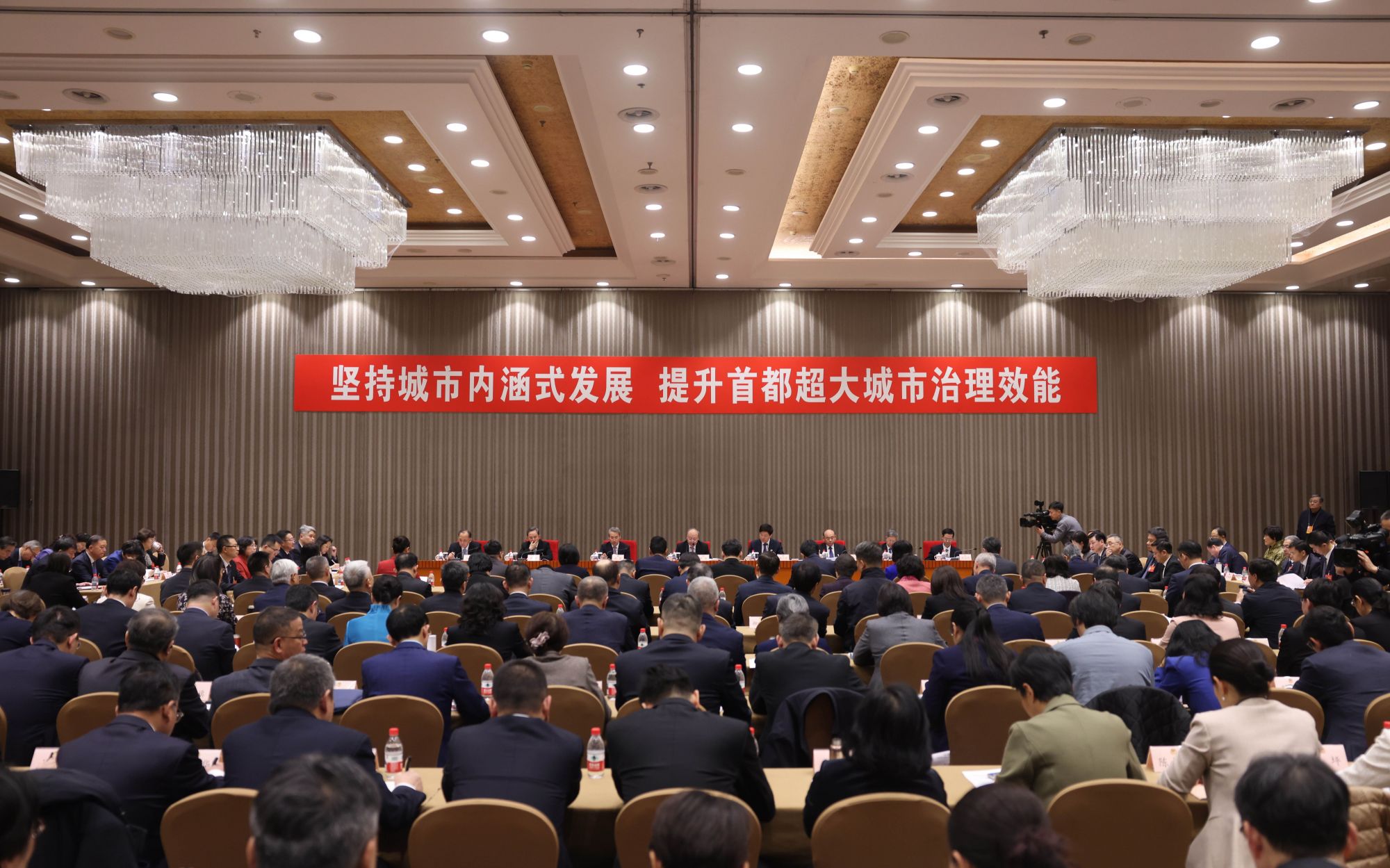
Group 1 - The Beijing Municipal Political Consultative Conference emphasizes the need for urban connotation development and enhancing governance efficiency in the capital city [1][3] - There is a call for planning flagship urban renewal projects that are internationally influential and high-quality, which differ from general renovation projects by showcasing high energy levels and long industrial chains [3] - The focus is on creating a project system at three levels: international, city, and regional, with each district identifying 1-2 key directions to leverage regional potential [3] Group 2 - The construction of resilient cities is highlighted, with a focus on improving flood control capabilities and modernizing existing infrastructure [4] - Recommendations include enhancing the redundancy and interconnectivity of critical systems such as energy and transportation to ensure operational continuity during extreme conditions [4] - Policies should incorporate emergency facilities and improve the management of emergency resources and logistics [4][6] Group 3 - The need for "time visualization" in public service areas like hospitals and airports is identified to reduce public anxiety related to waiting times [5] - A unified system for time visualization is proposed, requiring coordination across departments to break down data silos and enhance service efficiency [5][6] - The establishment of pilot projects in key locations is suggested to create replicable models for broader implementation [6] Group 4 - The establishment of a monitoring system for new pollutants is recommended to support ecological protection efforts in Beijing [8][9] - A focus on quantifying environmental improvement goals and setting phased targets for the next decade is emphasized, particularly for PM2.5 and VOCs [8] - The integration of data across various sectors is necessary to enhance water ecological resilience and pollution control [9] Group 5 - The importance of enhancing the functionality of transit stations is discussed, with a recommendation to cluster medical and educational resources around transit hubs [10] - Current connectivity rates between transit stations and surrounding buildings are low, indicating a need for improved infrastructure and service integration [10][11] - Suggestions include accelerating the construction of new rapid transit lines and enhancing existing networks to improve travel efficiency [11] Group 6 - The concept of "smart legal governance" is proposed to enhance data sharing and governance efficiency in Beijing [12] - A data sharing liability mechanism is suggested to encourage departments to share data without fear of legal repercussions [12] - The introduction of advanced analytical models to assess public service data is recommended to identify systemic issues and improve governance practices [12]
近五年国家重大环保技术装备目录盘点:环境监测仪器装备技术新趋势与市场机遇
仪器信息网· 2026-01-15 08:59
Core Viewpoint - The three versions of the "National Encouraged Development Major Environmental Protection Technology Equipment Catalog" promote the development of environmental monitoring technology towards precision, intelligence, and multi-scenario applications, covering areas such as air, water, soil, and carbon emissions [1][2]. Summary by Sections Development Category - The catalog is divided into three main categories: development, application, and promotion, focusing on equipment for air pollution prevention, water pollution control, soil remediation, solid waste treatment, environmental monitoring instruments, emergency response to pollution, and specialized components for pollution prevention [2]. Application Category - The 2020 version emphasizes core pollution indicator monitoring equipment, including atmospheric aerosol, particulate matter, and vehicle exhaust monitoring systems, aimed at building a foundational network for environmental monitoring [11]. - The 2023 version enhances ecological and meteorological linked monitoring, introducing new systems such as wind measurement laser radar and water ecological habitat monitoring, expanding the monitoring scope to include meteorological parameters and ecological environments [12]. - The 2025 version focuses on intelligent and standardized monitoring equipment, introducing automated soil sample preparation equipment and water quality detection robots, addressing efficiency issues in monitoring processes [12][18]. Promotion Category - The 2020 version includes basic monitoring instruments and conventional monitoring systems, such as laser radar ozone monitoring instruments and vehicle exhaust remote sensing monitoring systems, aimed at establishing a foundational environmental monitoring network [17]. - The 2023 version highlights pollution tracing and intelligent monitoring, adding systems for aerosol height detection and VOCs online monitoring, enhancing integrated capabilities of monitoring, tracing, and early warning [17]. - The 2025 version emphasizes the promotion of intelligent and integrated monitoring equipment, retaining and upgrading atmospheric particulate matter laser radar, and introducing AI-based automatic monitoring equipment for aquatic environments [18]. Market Opportunities - The iterative upgrades of the catalog create multiple market opportunities, including increased demand for continuous monitoring systems for carbon emissions under the "dual carbon" goals, especially in the thermal power industry [20]. - Policies for new pollutant management drive the demand for monitoring equipment for persistent organic pollutants and VOCs [20]. - The integration of AI, quantum dot spectroscopy, and IoT technologies fosters the development of smart monitoring systems [20]. - The acceleration of domestic substitution in core sensors and high-precision optical components promotes the industry's transition from a single hardware supply to an "hardware + software + service" ecosystem [20]. - The continuous expansion of national monitoring networks and the layout of automatic monitoring stations in key areas like the Yangtze River Economic Belt will further enlarge the market scale [20].

环境规划院王波:以科技赋能“十五五”新污染物治理
Zhong Guo Huan Jing Bao· 2026-01-05 23:31
Group 1 - The core viewpoint of the articles emphasizes the importance of strengthening environmental risk prevention and advancing the governance of new pollutants as a key task in China's economic work, aligning with the "14th Five-Year Plan" [1][2] - New pollutants of concern include persistent organic pollutants, endocrine disruptors, antibiotics, and microplastics, which pose potential threats to ecological safety and human health due to their bio-toxicity and environmental persistence [1][2][5] - The Chinese government has initiated significant steps in new pollutant governance, including the establishment of a comprehensive governance system and the implementation of lifecycle environmental risk control measures for high-risk chemical substances [3][4] Group 2 - Research on new pollutants is becoming a hot topic in environmental and health sciences, with developed countries having established more advanced monitoring systems and legal frameworks compared to China, which is still in the early stages of research [4][5] - Key technological challenges in new pollutant governance include the lack of effective identification techniques, insufficient understanding of environmental behavior, and weak risk assessment methodologies [5][6][7] - Recommendations for enhancing new pollutant governance include developing rapid monitoring technologies, revealing the mechanisms of pollutant evolution, and constructing a comprehensive risk assessment and control system [8][9]
黑龙江强化固废环境管理,守牢风险底线
Yang Guang Wang· 2026-01-03 01:11
Core Viewpoint - The Heilongjiang Provincial Ecological Environment Department is enhancing solid waste and chemical management to strengthen ecological risk control and promote sustainable development in the region [1][2][3][4]. Group 1: Regulatory Framework - The introduction of the "Heilongjiang Province Solid Waste Pollution Prevention and Control Regulations" includes 48 articles that address significant solid waste management issues, such as pesticide packaging waste, and clarifies government responsibilities [1]. - The regulatory framework aims to improve local ecological laws and enhance the management of hazardous waste storage and disposal [1]. Group 2: "Zero Waste City" Initiatives - The establishment of unique "Zero Waste City" models in cities like Harbin, Daqing, and Yichun, with specific annual plans to promote waste reduction [2]. - Harbin has signed a strategic cooperation agreement with other northeastern cities to foster regional collaboration in "Zero Waste City" initiatives [2]. - Daqing Oilfield's resource recovery model has been recognized as a typical case of "Zero Waste Enterprise," providing a model for industrial waste management [2]. Group 3: Hazardous Waste Management - A standardized management mechanism has been established for hazardous waste, with full coverage of evaluations for hazardous waste operating units during the 14th Five-Year Plan [2]. - The annual publication of investment guidance announcements for hazardous waste aims to promote healthy industry development [2]. - Initiatives such as targeted comprehensive utilization of hazardous waste and pilot projects for unified collection of hazardous waste from small enterprises are being implemented to reduce disposal costs [2]. Group 4: Regional Cooperation - A "white list" agreement for cross-provincial hazardous waste transfer was signed with Jilin Province in 2022, simplifying approval processes [3]. - In 2023, a regional cooperation agreement for hazardous waste management was signed among three provinces and one region, expanding the number of "white list" enterprises [3]. - The approval process for cross-regional transfers is being streamlined to enhance efficiency [3]. Group 5: Enterprise Support and New Pollutants Management - The release of guidance letters to industrial solid waste producers strengthens source control and clarifies environmental responsibilities for enterprises [3]. - A "one-on-one" support mechanism for enterprises has been established to provide policy guidance and help them comply with environmental regulations [3]. - Progress is being made in managing new pollutants, with the establishment of a coordination mechanism and the implementation of a new pollutants governance action plan [3]. Group 6: Future Plans - The Heilongjiang Provincial Ecological Environment Department plans to strategically outline solid waste, heavy metal pollution, and new pollutant management for the 15th Five-Year Plan period to support green development and ecological safety [4].
《优先控制化学品名录(第三批)》公布,生态环境部答记者问
Xin Lang Cai Jing· 2026-01-02 07:09
Group 1 - The core viewpoint of the article is the issuance of the "Priority Control Chemical List (Third Batch)" by the Ministry of Ecology and Environment and the National Health Commission, emphasizing the importance of managing new pollutants to protect ecological and public health [1][2] - The list aims to prioritize the management of chemical substances that pose significant environmental and health risks, serving as a foundational support for managing toxic pollutants in water, air, and soil [2][3] - The compilation of the list involved a comprehensive assessment of chemical substances based on their inherent hazards, potential exposure levels, and international control measures, focusing on high-risk chemicals such as persistent, bioaccumulative, and toxic substances [2][3] Group 2 - The list includes 23 categories of chemical substances, such as 1,1,2,2-tetrachloroethane and bisphenol A, which are recognized as carcinogens and endocrine disruptors, affecting various industries including petrochemicals, plastics, and pharmaceuticals [3][4] - Companies producing or using the listed chemicals are encouraged to enhance their environmental risk management practices, including upgrading processes and controlling emissions, to mitigate potential risks [4][5] - Current management of the chemicals in the list is based on existing regulations regarding environmental impact assessments, pollution permits, and soil and groundwater pollution prevention [5]