春节文化体验

Search documents
首博春节攻略:打卡马年限定场景,解锁非遗新体验
Xin Lang Cai Jing· 2026-02-20 06:13
新春佳节 年味与文化碰撞才更有滋味 2026丙午马年春节 首都博物馆以文化为媒 打造了一场 集沉浸式打卡、精品展览与非遗互动 于一体的新春盛宴 无论是想在限定场景中定格年味大片 还是想在文物光影中探寻年俗根源 这份攻略都将为您解锁 首博春节的正确打开方式 让新春之行既有满满的仪式感 又添深厚的文化底蕴 首博礼仪大厅新春全新升级,推出"春风迎福·繁花贺岁"主题沉浸式体验场景,融入生肖文化与传统吉 祥符号。萌趣卡通马装置搭配祥云点缀分布于关键位置,作为"吉祥使者"成为年味打卡C位;地面手绘 玫瑰、月季等吉祥花卉铺就"福路",以"踩福""走花路"传递新春顺遂、繁花似锦的美好祝福;古典景窗 搭配红灯笼与雅致花卉打造中式拍照区,单人或阖家合影皆能定格古风韵味。整个空间以红为主色、黄 为点缀,搭配花卉自然色彩,氛围感拉满,随手一拍都是年味大片。 . r IDING 125 42 122 0 and the r cal t 2006 00 會在 120 9 FLT 4 f 1 上 i THE COLLEC 811 y STANS CONSULERS 街德景 88.99 a t 子康 . 24 2055 TOP 8 7 20 ...

外国留学生 感知中国年
Xin Lang Cai Jing· 2026-02-16 19:19
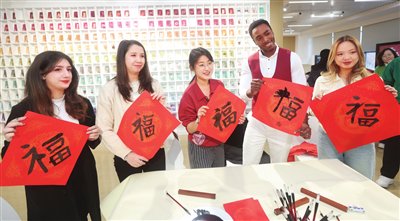
春节到,年味浓。连日来,我市多所高校举办丰富多彩的春节文化体验活动,通过品传统美食、看文化 表演和参与非遗体验活动等,让留学生在津感受中国年的喜庆氛围。 "这是我第一次用毛笔写字!写汉字像作画一样有趣、优美,每一笔都有节奏。"来自赤道几内亚的天津 师范大学国际教育交流学院2022级学生凯文兴奋地说。在该校举办的"博物馆里过大年——天津师范大 学博物馆迎新春文化体验活动"中,他与全市大中小学学生代表一起扎灯笼、写"福"字、制宋锦马挂 件,沉浸式体验中国年俗。活动现场,他跟随老师的指导,小心翼翼地蘸墨、提腕、落笔。他的笔 下,"福"字虽然略带稚拙,却饱含热情。"我知道书法是中国传统文化的重要组成部分,在中国过年有 很多这样温暖的仪式,希望将来能带家人来中国体验春节。"凯文说。 (来源:天津日报) 转自:天津日报 一派喜庆氛围中,留学生也纷纷登台"献才艺",共贺马年新岁。 在天津师范大学举行的"语通中外 同贺新春"2026年天津市中外学生共话佳节团圆活动,是我市首次专 为海内外学生打造的新春主题跨文化交流盛会,以"春节团圆"为主题,依托非遗传承这个文化载体,来 自天津市国际中文教育联盟的十多所高校留津的中外学生联袂 ...
机场也好玩 旅途添乐趣
Xin Lang Cai Jing· 2026-02-15 23:22
(来源:中国旅游报) 让游客惊喜的不仅如此。步入国内混流区,一幅"民俗长卷"便铺展开来——"归兴肆见"新春市集格外热 闹。机场将非遗体验、年俗活动和传统年货搬进候机大厅,让南来北往的旅客在行程中与年味撞个满 怀。 转自:中国旅游报 □ 本报记者 唐伯侬 农历腊月二十五,记者来到北京大兴国际机场,只见候机大厅里熙熙攘攘,满是拎着大包小包的归乡 人。目光所及,用福字、小马等元素拼出的红色中国结图案格外醒目,以"金马贺岁"为主题的新春宫灯 装置上烫印着金马贺岁的图样……这里的年味格外浓郁。 "您好,请问有什么可以帮您?"在航站楼四层的问询台前,身着国风服饰的工作人员吴艳婧热情地招呼 着前来问询的旅客。吴艳婧一袭浅蓝色披风,襦裙衣袂上绣着雅致的花纹,发髻间别着几支扇形金钗, 古意盈盈。 "您好,可以跟您合张影吗?"宁波游客施银焕快步走上前询问,眼中满是惊喜。"看到汉服感觉特别亲 切,这份不期而遇的'中国式浪漫',让回家的路更有年味了。" 要从北京回黑龙江老家过年的媛媛拎着大包小包,满脸笑意:"年前工作太忙,没时间给老家的亲戚买 礼物,今天一次性补齐了。"她一样一样向记者展示着包里的"战利品"——给爸妈带的稻香村点心和 ...
年轻人的“年货”里藏着传承与创新
Xin Lang Cai Jing· 2026-02-12 22:40
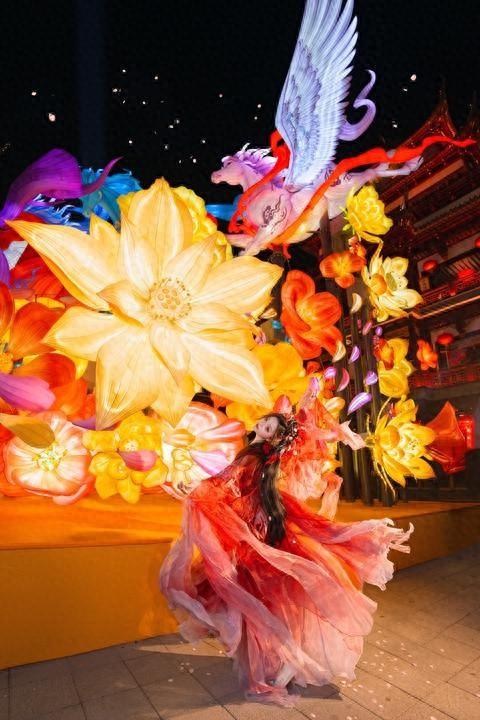
拼豆拼成的十二生肖、汉服裙摆映着灯会暖光、各种年货集成的展览、海外留学生书桌前中外友人共写 的福字……"一代人有一代人的年货",这个春节,年轻人正在突破传统框架,以创新多元的方式为春节 注入新内涵,让春节从"传统的仪式",变成滋养心灵、联结世界的情感载体。 近日,中国青年报·中青校媒面向以大学生为主的青年发起春节相关调查问卷,共收到1679份有效问 卷。数据显示,84.27%受访者喜欢融入国风元素、传统文化符号(如非遗、书法、传统纹样)的年 货,79.28%的受访者会刻意关注年货背后的传统文化内涵,还有67.96%的受访者会主动分享自己购买 的创新型、国风类年货。 "对传统文化而言,是创新与传承;对我们而言,是收获快乐与自身价值。"武汉大学大一学生亓楚钧酷 爱拼豆,她告诉记者:"我们是真心喜欢传统文化,但不喜欢过往繁琐的流程。我想把新年融入自己感 兴趣的事情里,让它变成生活的一部分。" 指尖造年味,新潮年货开启年轻人"定制版"春节 中青校媒调查显示,受访者会购买的年货类型包括国潮服饰、春节手链、生肖饰品等服装配饰 (58.19%);健康零食、保健用品、体检套餐、运动装备等健康养生产品(38.77%);挂饰、冰 ...
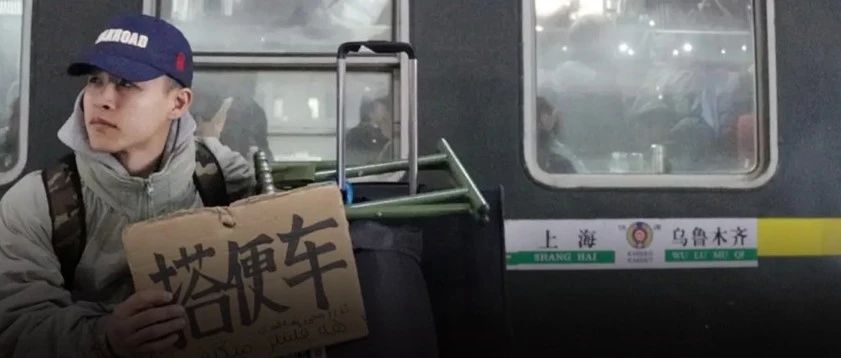
一个日本留学生从南京搭车去乌鲁木齐
36氪· 2025-06-28 12:06
Core Viewpoint - The article presents a personal journey of a Japanese individual traveling through China, highlighting cultural experiences and interactions with locals, ultimately emphasizing the warmth and kindness of the Chinese people despite historical tensions [63]. Preparation for the Journey - The traveler planned a hitchhiking route from Nanjing to Xinjiang, preparing for various challenges including weather conditions and limited funds [4][5]. - Essential gear included a tent, sleeping bag, and a small budget of 1000 yuan for the trip [4]. Initial Experiences - The journey began on January 21, with the traveler successfully hitching a ride after a short wait [5]. - The first driver shared personal dreams and aspirations, reflecting a commonality among young people in China [6]. Cultural Observations - Conversations with drivers revealed insights into the lives of young Chinese, including their struggles and aspirations [8][10]. - The traveler noted a perceived decline in the festive atmosphere of the Chinese New Year compared to expectations [10]. Health Challenges - The traveler faced health issues, including fever and stomach problems, which led to a temporary halt in the journey for rest [12][13]. Experiencing Chinese New Year - The traveler participated in a family reunion dinner during the New Year, experiencing the warmth of family gatherings despite a quieter atmosphere than anticipated [18][19]. - The tradition of visiting relatives during the New Year was highlighted as a significant cultural practice, showcasing the importance of family ties [21]. Hitchhiking Challenges - The traveler encountered difficulties in finding rides, especially during the busy holiday season, but continued to meet various individuals who shared their stories [25][29]. - A notable encounter involved a driver who expressed dislike for Japanese people but still chose to help, illustrating the complexity of personal beliefs and kindness [30]. Cultural Insights - The traveler conducted a social experiment by asking drivers if they would still help after learning of their Japanese nationality, finding that 94.1% were willing to assist regardless of nationality [63]. - The journey included visits to significant cultural sites, such as the Longmen Grottoes and the Terracotta Army, enriching the traveler's understanding of Chinese history [18][25]. Conclusion of the Journey - The traveler reached Urumqi, reflecting on the journey as a profound experience that transcended mere travel, capturing the essence of human kindness and cultural exchange [58][63]. - The return journey was made by train, symbolizing a full circle back to the starting point, with memories of the experiences gained along the way [60][61].