
景区管理

Search documents
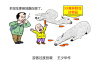
“吃撑倒地”的羊驼一点也不萌
Guang Zhou Ri Bao· 2025-10-14 11:14
Core Viewpoint - Excessive feeding of animals by visitors can lead to serious health issues, as evidenced by the recent incident at a wildlife park in Jiangsu where several alpacas collapsed due to overfeeding [1][5]. Group 1: Incident Overview - Multiple alpacas at the Nantong Forest Wildlife Park were reported to have collapsed after being overfed by visitors, leading to a concerning situation [1][5]. - Staff at the park claimed that they monitor the animals and that they stop eating when full, but this does not address the underlying issue of overfeeding [1]. Group 2: Broader Implications - The incident reflects a larger problem where animals suffer due to well-meaning but misguided human actions, as seen in other cases like the death of a gorilla in Shanghai due to similar reasons [5]. - The practice of selling feeding items at high prices while simultaneously prohibiting feeding creates a conflict of interest, prioritizing profit over animal welfare [5]. Group 3: Proposed Solutions - To address the issue, three levels of intervention are suggested: 1. Educational initiatives to change visitor behavior, such as the "no feeding commitment" program in Shanghai [6]. 2. Stricter regulations to protect captive animals, including penalties for those who violate feeding rules [6]. 3. Innovative management strategies, like using AR technology to simulate feeding experiences without harming animals [6].

国庆节,逆行者堵死了通往景区的路
Hu Xiu· 2025-10-08 00:04
Core Points - The article discusses the chaotic experience of visitors at the Saihanba National Forest Park during the National Day holiday, highlighting issues with traffic management and visitor safety [2][47]. - It emphasizes the lack of effective communication and support from the park's management during peak tourist times, leading to frustration among visitors [25][50]. Traffic Management Issues - The park experienced severe traffic congestion, with vehicles stuck for long periods due to a combination of high visitor numbers and reckless driving behavior, such as cars driving in the wrong direction [10][22]. - The road leading to the park is a narrow two-way lane, which exacerbated the situation as vehicles could not pass each other effectively [6][23]. - There were no traffic lights, electronic monitoring, or clear signage to manage the flow of vehicles, contributing to the chaos [49]. Visitor Experience - Visitors expressed despair and frustration as they were unable to reach their destination after hours of travel, ultimately deciding to turn back [13][45]. - The article notes that many visitors resorted to walking to seek help, as phone lines for park management were unresponsive during the crisis [27][30]. - The lack of accountability and visible staff presence during the incident left visitors feeling abandoned and unsafe [4][42]. Recommendations for Improvement - The article calls for better management practices during peak tourist seasons, including adequate staffing and improved communication channels for visitors [48][51]. - It suggests that the park should implement measures to ensure visitor safety and streamline traffic flow, such as installing traffic lights and providing clear guidelines for drivers [49][50]. - The need for a more proactive response from park authorities during emergencies is highlighted, as visitors should not have to rely solely on their own judgment for safety [50].
