
晶体智力

Search documents
CL-Bench的故事没有结束,生成式CL-Bench:GENIUS来了
机器之心· 2026-03-02 09:03
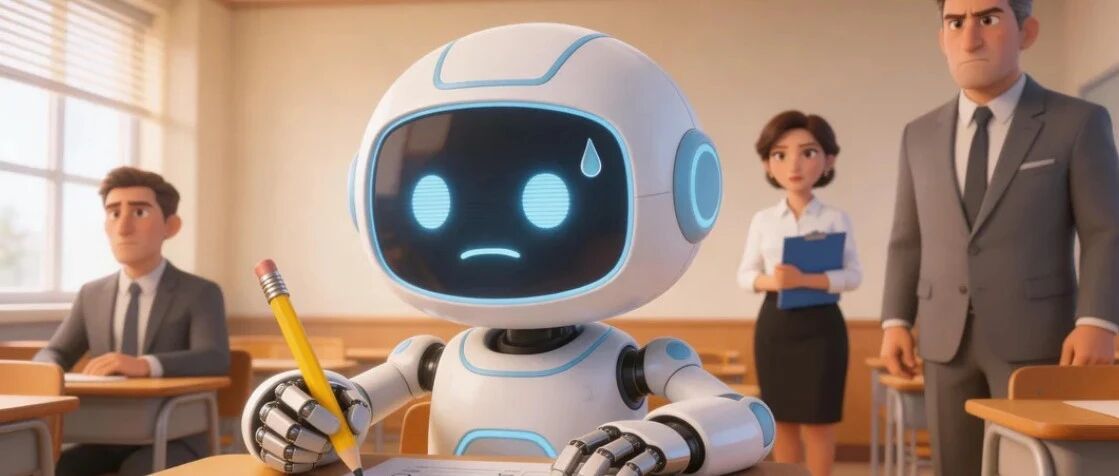
Core Insights - The article discusses the development of GENIUS (Generative Fluid Intelligence Evaluation Suite), which aims to evaluate the fluid intelligence of generative models, moving beyond their crystallized intelligence capabilities [7][26]. - It highlights the importance of context in both learning and generating tasks, emphasizing that effective context handling is crucial for achieving high-value applications in AI [3][25]. Group 1: GENIUS Framework - GENIUS establishes a benchmark for assessing models' abilities to learn new knowledge in long-term interactions, focusing on the challenges of context understanding [3][9]. - The framework includes a dataset of 510 expert-level samples across 20 sub-tasks, designed to ensure that models must genuinely understand and integrate all contextual clues [9][11]. Group 2: Fluid Intelligence vs. Crystallized Intelligence - Current generative models exhibit strong crystallized intelligence, which is the ability to use past knowledge, but struggle with fluid intelligence, which involves reasoning and adapting to new situations [7][17]. - The article notes that even the most advanced models fail to achieve passing scores in fluid intelligence tasks, indicating a significant gap between knowledge acquisition and problem-solving capabilities [17][18]. Group 3: Evaluation Results - Evaluation results show that models have a low accuracy in adapting to contextual knowledge, particularly in tasks requiring them to disregard pre-trained knowledge [18][20]. - The analysis reveals that the failure in fluid intelligence is primarily due to insufficient execution capabilities rather than a lack of understanding [21][22]. Group 4: Methodological Insights - The article discusses the importance of attention distribution in multi-modal generation processes, indicating that models often fail to focus on critical contextual features [23][24]. - A proposed attention calibration mechanism aims to guide models to concentrate on essential visual and semantic areas, potentially improving their performance [24]. Group 5: Future Directions - The article concludes that transitioning from crystallized intelligence to fluid intelligence is essential for the next stage of generative model development [26][27]. - GENIUS is positioned as a starting point for creating a rigorous testing platform that encourages generative models to evolve from mere imitators to true thinkers with general reasoning capabilities [27][28].

大脑抗衰手册:如何让你的脑力保持巅峰
Hu Xiu· 2025-03-28 00:06
Core Points - The article discusses how to help the brain resist aging and maintain cognitive health over time [3] - It emphasizes the importance of maintaining a positive mindset and being open to new experiences to keep cognitive abilities sharp [12][13] Group 1: Cognitive Intelligence - Intelligence is divided into fluid intelligence (problem-solving ability) and crystallized intelligence (experience) [5] - Traditional research suggests fluid intelligence peaks around age 25 and declines thereafter, especially after age 45 [6][10] - Newer studies indicate that cognitive decline may not be as severe as previously thought, with proper maintenance allowing cognitive function to remain stable until around age 60 [10][11] Group 2: Enhancing Cognitive Reserve - Cognitive reserve can be optimized through learning, particularly in foreign languages and music, which can enhance brain connectivity and executive control [23][24][26] - Bilingual individuals show less cognitive decline with age compared to monolinguals, and engaging in music-related activities can improve memory and processing abilities [26][27] Group 3: Accepting New Stimuli - Continuous learning and exposure to new information can stimulate dopamine production, combating feelings of fatigue and lack of motivation [31][33] - Maintaining an open mindset towards new knowledge and experiences is crucial for cognitive vitality [38][39] Group 4: Brain Training Activities - Engaging in games and activities that require cognitive engagement, such as video games, board games, and artistic pursuits, can enhance brain function [41][44][47] - Activities that involve strategy, memory, and creativity contribute positively to cognitive health [45][46] Group 5: Social Engagement - Active social participation is linked to lower risks of cognitive decline and Alzheimer's disease [48] - Maintaining connections with friends and engaging in community activities can provide mental stimulation and emotional support [50][51] Group 6: Healthy Habits - Avoiding prolonged sitting is essential, as it negatively impacts cognitive abilities and overall health [52][53] - Regular physical activity, even light exercise, can enhance cognitive function and reduce the risk of cognitive decline [54][56] Group 7: Organizing Brain Function - Regularly summarizing and organizing information can improve neural connections and cognitive efficiency [60][61] - Reflecting on experiences and knowledge can help strengthen cognitive pathways and enhance problem-solving skills [62][63]