
智能化保护

Search documents
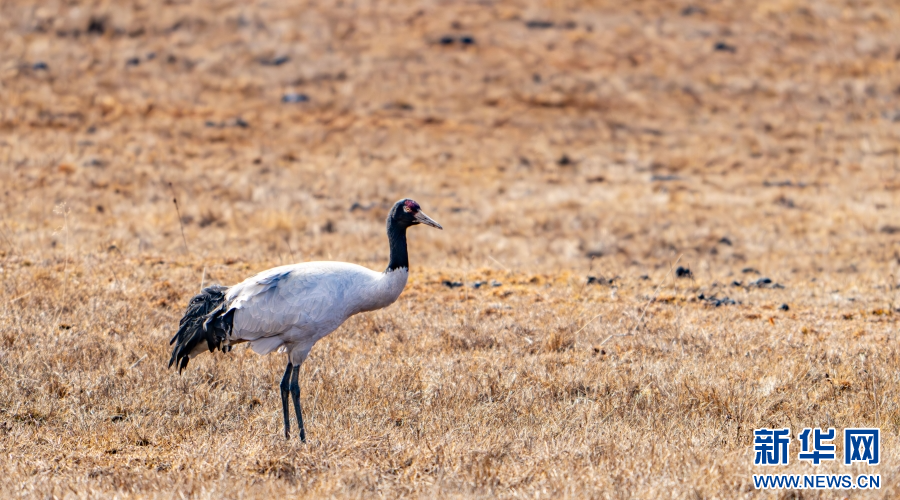
香格里拉国家公园候选区守护黑颈鹤平安过冬
Xin Hua Wang· 2026-01-21 02:20
Core Insights - The Shangri-La National Park candidate area serves as a crucial winter habitat for migratory birds, particularly the black-necked cranes, which find abundant food and a safe environment in the wetlands [1][3] Group 1: Ecological Protection Measures - The Shangri-La National Park candidate area has implemented a comprehensive ecological protection strategy to ensure the safety and successful wintering of migratory birds like the black-necked cranes [3] - Regular monitoring of black-necked cranes and other bird species is conducted to assess their habitat needs and conditions [3] - Restoration projects focusing on water system connectivity and wetland micro-topography optimization are underway to improve the living environment for black-necked cranes [3][4] Group 2: Technological Innovations - The park has introduced an intelligent protection system that includes 29 ultra-high-definition infrared panoramic cameras for real-time monitoring and analysis of black-necked cranes [3] - The AI-driven bird identification software enhances management capabilities by providing species identification, population statistics, activity area analysis, and trend predictions [3] Group 3: Wetland Restoration Efforts - Significant progress has been made in wetland restoration through the construction of open and buried channels, creating a complete wetland system that enhances natural water circulation and quality [4] - Micro-topography modifications, including the removal of sediment pollutants and terrain shaping, have been implemented to maintain natural hydrological conditions and create diverse habitats for various bird species [4]

应对鄱阳湖极枯水位 江西多措并举护航越冬候鸟栖息
Xin Lang Cai Jing· 2025-12-29 08:54
Core Insights - The water level of Poyang Lake has dropped below the extreme low water level of 8 meters since December 14, prompting various measures to protect wintering migratory birds [1][3] Group 1: Environmental Significance - Poyang Lake is the largest freshwater lake in China and a crucial habitat for migratory birds, hosting hundreds of thousands of birds annually, including rare species like the white crane and the oriental white stork [1][3] Group 2: Management and Protection Measures - The Poyang Lake National Nature Reserve has implemented a "one lake, one policy" management mechanism, establishing dynamic management records for each basin and increasing patrol frequency through a combination of smart monitoring and on-site inspections [3][4] - The reserve has repaired six collapsed dam breaches and leakage points throughout the year, employing sandbags and concrete reinforcement to effectively slow down water leakage [3] - A "ten-day consultation" system has been initiated to organize expert meetings that utilize real-time water data and bird population monitoring to scientifically formulate water adjustment plans [3] Group 3: Technological Innovations - The reserve has enhanced its protection capabilities by integrating five modules: smart patrol, monitoring, early warning, analysis, and simulation, utilizing IoT devices and 5G technology to create a closed-loop system for problem collection, analysis, and resolution [4] - AI bird recognition models and sound recognition technology have been trained to automate the monitoring of key flagship species within the reserve, providing precise data support for biodiversity conservation [4]
