
候鸟保护

Search documents
网友建议深圳湾公园放开投喂海鸥,管理方:投喂会带来诸多严重问题
Yang Shi Wang· 2026-02-27 05:51
Core Viewpoint - The Shenzhen Park Management Center emphasizes the importance of natural food sources for migratory birds in Shenzhen Bay and the negative consequences of human feeding on these birds and the ecosystem [1][2]. Group 1: Ecological Importance - Shenzhen Bay serves as a critical node in the East Asia-Australasia migratory route and is recognized as a "five-star station" for migratory birds [1]. - The natural food sources, such as small fish and crabs, provide essential nutrients that support the long-distance migration of birds [1]. Group 2: Negative Impacts of Human Feeding - Feeding birds with high-carbohydrate foods like bread can lead to malnutrition and kidney damage, and may cause birds to lose their natural foraging abilities [1]. - Artificial feeding disrupts the delicate ecological balance of the intertidal zone, potentially leading to unforeseen ecological chain reactions [1]. - Close proximity feeding increases the risk of disease transmission among birds and between birds and humans [1]. Group 3: Legal and Regulatory Framework - The National Forestry and Grassland Administration has issued guidelines prohibiting feeding migratory birds to prevent delays in their migration [2]. - Shenzhen's regulations explicitly forbid the feeding of wild animals, and park staff are tasked with enforcing these rules [2]. Group 4: Alternative Management Approaches - Other cities like Qingdao and Kunming are implementing scientific feeding management, using specialized bird feed that meets nutritional standards [2].
在中国最大淡水湖守护候鸟“春运”
Xin Hua Wang· 2026-02-25 02:14
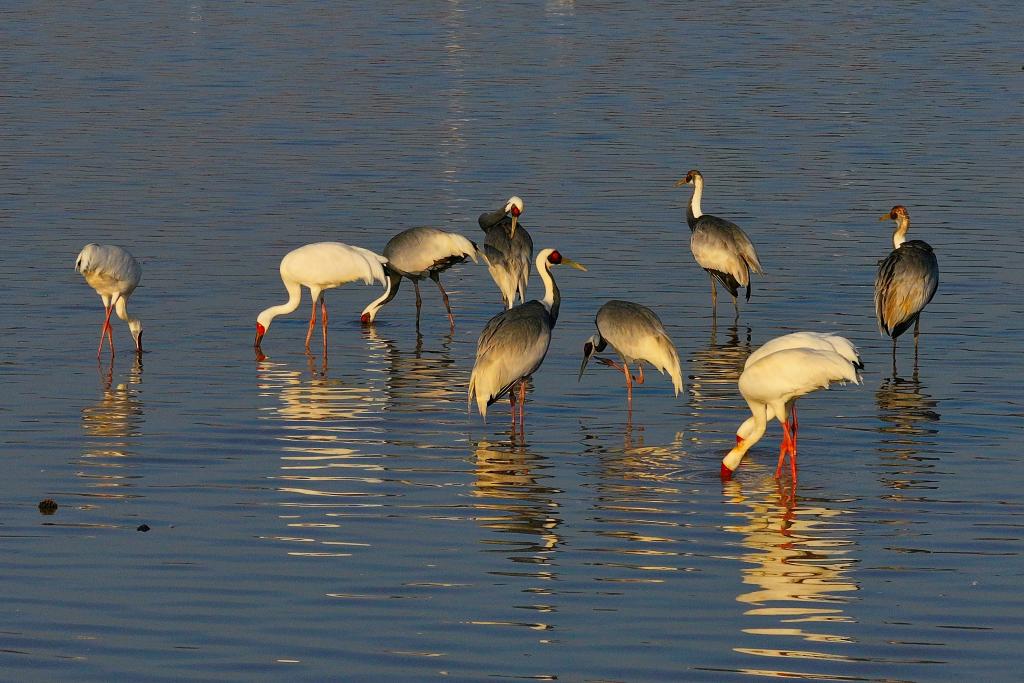
Core Viewpoint - The article highlights the efforts of volunteers and local communities in protecting migratory birds at Poyang Lake, China's largest freshwater lake, particularly during the winter season when over 700,000 migratory birds, including the largest population of wintering white cranes globally, arrive at the lake [2]. Group 1: Volunteer Efforts - Wang Xiaolong, a retired worker from the Poyang Lake Nature Reserve, continues to volunteer for bird protection, demonstrating a deep commitment to the cause after 40 years of service [2][3]. - Wang has faced personal challenges, including a serious injury, yet remains dedicated to the task of protecting migratory birds [2]. - The local community has increasingly joined the efforts in bird protection, participating in the rescue of injured birds and ecological conservation [8]. Group 2: Bird Rescue and Rehabilitation - A newly established "White Crane Rescue Station" serves as a rehabilitation center for injured migratory birds, providing a natural habitat for recovery [6]. - The rescue station plans to enhance its facilities with specialized surgical rooms and rehabilitation areas to better support the recovery of various bird species [6]. - Wang has successfully rescued and released over 300 birds, reflecting the positive impact of these conservation efforts [6]. Group 3: Monitoring and Biodiversity - The Poyang Lake area has implemented an integrated monitoring system using high-definition cameras and drones to track the status of migratory birds and their habitats [8]. - Recent scientific surveys indicate an increase in bird species within the reserve, from 381 to 394, showcasing the success of biodiversity conservation efforts [8].

新春走基层丨父子接力书写洞庭湖畔的护鸟故事
Xin Lang Cai Jing· 2026-02-21 06:55
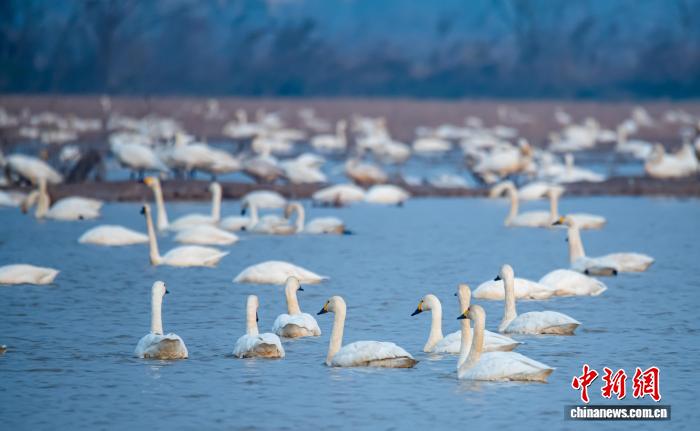
Core Viewpoint - The article highlights the dedication of wildlife protectors, particularly Chen Xinkai, in safeguarding the Dongting Lake wetlands, which serve as a crucial habitat for migratory birds during winter. Group 1: Wildlife Protection Efforts - The Dongting Lake wetland, covering over 100,000 hectares, is a vital "life station" for over 200 species of migratory birds, including white cranes and lesser white-fronted geese, during autumn and winter [5] - Chen Xinkai, a dedicated patrol officer, has accumulated over 30,000 kilometers of travel annually while monitoring the protected area [3] - The patrol team utilizes advanced technology, such as drones, to enhance the efficiency of their monitoring efforts [12] Group 2: Personal Commitment and Legacy - Chen Xinkai transitioned from a livelihood dependent on the lake's resources to becoming a full-time wildlife protector in 2018, emphasizing the importance of ecological conservation [6] - His son, Chen Yu, inspired by his father's commitment, returned home to join the patrol team, indicating a familial legacy in wildlife protection [10] - The patrol team has witnessed a significant increase in the number of overwintering waterbirds, reaching over 470,000 this year, the highest recorded [24] Group 3: Challenges and Achievements - The patrol work is challenging, with frequent vehicle breakdowns and the need to navigate difficult terrains, especially during seasonal changes [12][14] - The team successfully rescued a trapped juvenile swan, showcasing their commitment to immediate wildlife rescue efforts [16][21] - Experts noted that the distribution of bird species has diversified this year, increasing the workload for patrol personnel, who are essential in the conservation chain [26]

筑牢候鸟迁徙安全屏障
Zhong Guo Zi Ran Zi Yuan Bao· 2026-02-04 03:36
Core Viewpoint - Hubei Province's Ezhou City is enhancing its efforts to protect migratory birds during wintering and migration through comprehensive monitoring, law enforcement, and public awareness initiatives [1][2] Group 1: Monitoring and Health Surveillance - Ezhou City is implementing a combination of regular and intensified monitoring to track migratory bird activities, population numbers, and health status, with over 28,000 wintering waterbirds from 30 species recorded as of the 2026 national survey [1] - Recent concentrated health monitoring efforts have been conducted in the Liangzi Lake area, focusing on potential risks such as avian influenza in key habitats and migration routes [1] Group 2: Law Enforcement and Illegal Activity Prevention - The city has intensified law enforcement actions against illegal bird trapping and wildlife trafficking, with multiple departments collaborating on special operations [2] - Since 2025, Ezhou has removed 105 illegal bird nets and successfully prosecuted two cases of wildlife resource destruction, confiscating 19 wild animals to strengthen protective measures for migratory birds [2]
湖南越冬水鸟数量达48.43万只 为历年最高
Zhong Guo Xin Wen Wang· 2026-02-02 08:45
Core Insights - The number of wintering waterbirds in Hunan Province reached 484,300, the highest recorded in history [1][3] - The monitoring results included 73 species across 7 orders and 13 families, with 54 species and 474,100 individuals recorded in the Dongting Lake area [1][3] Group 1: Bird Species and Numbers - A total of 18 species of nationally protected birds were recorded, amounting to 40,900 individuals, including 8 species of first-class protected animals with 915 individuals [3] - The survey highlighted the presence of 10 species of second-class protected animals, totaling 40,000 individuals [3] Group 2: Environmental Challenges - The frequency of severe droughts in the Dongting Lake area has increased by approximately 10% over the past 60 years, impacting the availability of wetlands for waterbirds [3] - Changes in the number, community composition, and distribution of wintering waterbirds have been observed due to drought conditions [3] Group 3: Conservation Efforts - Hunan Province is located on the East Asia-Australasia migratory flyway, making it a crucial area for migratory birds [3] - The province has established a tiered protection system, including 2 international wetland cities, 5 international important wetlands, 5 national important wetlands, 47 provincial important wetlands, and 70 national wetland parks, which provide habitat for 98% of the province's waterbird resources [3] - In 2025, Hunan invested in the restoration of 2,861.02 hectares of wetlands and distributed ecological compensation funds of 10.5 million RMB, benefiting 5,429 residents and promoting industries related to birdwatching and wetland culture [3]
肖辉跃:海滩的曙光
Zhong Guo Huan Jing Bao· 2026-02-02 08:04
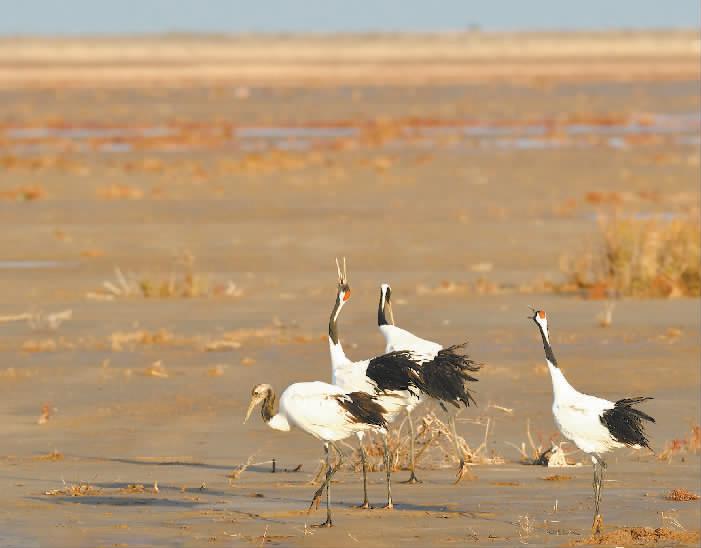
Core Viewpoint - The article highlights the resurgence of the critically endangered Chinese Crested Tern, symbolizing hope for biodiversity along China's coastline and the importance of wetland conservation efforts [3][5][7]. Group 1: Bird Conservation - The reappearance of the Chinese Crested Tern in the Minjiang River estuary marks a significant moment in the conservation of this species, which had been absent for 63 years [3]. - The article emphasizes the decline of various shorebird species along the East Asia-Australasia flyway, with many species facing critical threats [5][7]. - Systematic conservation efforts, such as the inclusion of Yellow and Bohai Sea migratory bird habitats in the World Heritage list, are crucial for protecting these species [7]. Group 2: Ecological Balance - The Minjiang River estuary serves as a vital habitat for migratory birds, providing essential resources for their survival during migration [5][8]. - The article discusses the interconnectedness of various species within the coastal ecosystem, highlighting the importance of maintaining ecological balance [7]. - The increase in populations of certain species, such as the Black-headed Gull, indicates positive outcomes from conservation efforts [7]. Group 3: Human Impact and Awareness - The narrative reflects on the human tendency to exploit natural resources, contrasting it with the growing awareness and actions taken towards conservation [7]. - The author calls for reflection on the responsibilities of current generations in preserving biodiversity for future generations [3][5]. - The article suggests that the coastal environment is not only a refuge for birds but also a home for countless marine organisms, emphasizing the need for holistic environmental protection [8].
鄱阳湖湿地毒杀候鸟案告破,人人都是爱鸟护鸟明白人
Zhong Guo Huan Jing Bao· 2026-01-30 02:10
Core Viewpoint - The recent poisoning of migratory birds at Poyang Lake has been swiftly addressed, leading to the arrest of the suspect and the implementation of a reward system for reporting illegal activities related to wildlife, highlighting the importance of community involvement in ecological protection [1][2] Group 1: Law Enforcement and Community Involvement - The rapid resolution of the bird poisoning case demonstrates the law enforcement's capability to combat illegal activities [1] - The introduction of a reward system aims to gather information on illegal hunting, trading, and transportation of wild birds, emphasizing the need for public participation in wildlife protection [1] - Local residents, birdwatchers, environmental volunteers, and tourists are crucial in detecting and reporting illegal activities, forming a comprehensive surveillance network [1] Group 2: Mechanisms for Ongoing Protection - The reward system should be integrated into daily operations rather than being a temporary measure [1] - Continuous education and awareness campaigns are necessary to ensure that everyone understands bird conservation and feels responsible for protecting them [1] - It is essential to create a community environment that honors protection efforts and stigmatizes destructive behaviors, thereby reducing the space for illegal activities [1]
“老友”空中来,立体呵护迁飞路
Xin Lang Cai Jing· 2026-01-24 16:30
Core Viewpoint - Hunan province is enhancing its ecological protection efforts for migratory birds through systematic restoration, law enforcement, and public participation, resulting in a significant increase in bird populations and diversity [4][5][6]. Migratory Bird Growth - Hunan's wetlands are recovering their "attractiveness," with the number of overwintering migratory birds reaching a historical high of over 456,000 individuals across 77 species [5][6]. - The East Ancient Lake has seen stable populations of Siberian swans, with approximately 5,000 individuals recorded for the sixth consecutive year [4][5]. Systematic Restoration - Since the 14th Five-Year Plan, Hunan has restored 28,000 hectares of wetlands and implemented ecological compensation on 84,000 hectares, establishing new international and national important wetlands [6]. - Water quality in Dongting Lake has improved from Class V to Class III, contributing to a thriving ecosystem for migratory birds [6]. Law Enforcement and Protection - Hunan has integrated migratory bird protection into its forest management system, with a five-level management structure and cross-regional collaboration [7][8]. - Recent enforcement actions have included the removal of over 6,000 illegal bird nets and the resolution of 1,271 wildlife-related cases [7][8]. Technological Support - Advanced technologies such as video monitoring, AI alerts, and satellite tracking are being utilized for comprehensive protection of migratory birds [10][11]. - In January, 47 migratory geese were fitted with satellite trackers to gather data on their migration patterns, aiding future conservation decisions [11]. Public Participation - Hunan has engaged the public through various initiatives, including the 13th Dongting Lake International Bird Watching Festival and numerous awareness campaigns, promoting the concept of "watching birds without disturbing them" [12]. - Volunteers and community members are actively involved in bird protection efforts, indicating a shift towards a more inclusive approach to conservation [12].

候鸟云集!白枕鹤首次现身南洞庭湖
Xin Lang Cai Jing· 2026-01-12 16:56
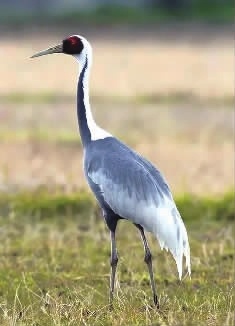
Core Insights - The article highlights the significant increase in migratory bird populations at the Minglang Mountain area of the South Dongting Lake, with notable species including the white crane and the newly recorded white-naped crane [3][4]. Group 1: Bird Population and Diversity - The latest survey indicates a remarkable growth in the number of wintering migratory birds, with 10 Eastern white storks, 15 white cranes, and 5 white-naped cranes identified at Minglang Mountain, contributing to a total of over 80,000 migratory birds recorded in the entire South Dongting Lake area [4]. - The presence of various rare bird species, including the white crane and gray crane, enhances the ecological significance of Minglang Mountain as a winter habitat [3]. Group 2: Conservation Efforts - Continuous and systematic protection efforts over the years have led to the establishment of a bird protection station in 2014, which includes dedicated personnel for round-the-clock monitoring of the core area [5]. - Recent initiatives have focused on wetland restoration, with 21,600 acres of habitat protected and 5,200 acres of native vegetation planted to provide a stable and safe environment for migratory birds [5]. - The transformation of Minglang Mountain from a mere stopover to a reliable wintering haven for migratory birds reflects the success of ecological restoration and enforcement efforts in the South Dongting Lake wetland [5].
应对鄱阳湖极枯水位 江西多措并举护航越冬候鸟栖息
Xin Lang Cai Jing· 2025-12-29 08:54
Core Insights - The water level of Poyang Lake has dropped below the extreme low water level of 8 meters since December 14, prompting various measures to protect wintering migratory birds [1][3] Group 1: Environmental Significance - Poyang Lake is the largest freshwater lake in China and a crucial habitat for migratory birds, hosting hundreds of thousands of birds annually, including rare species like the white crane and the oriental white stork [1][3] Group 2: Management and Protection Measures - The Poyang Lake National Nature Reserve has implemented a "one lake, one policy" management mechanism, establishing dynamic management records for each basin and increasing patrol frequency through a combination of smart monitoring and on-site inspections [3][4] - The reserve has repaired six collapsed dam breaches and leakage points throughout the year, employing sandbags and concrete reinforcement to effectively slow down water leakage [3] - A "ten-day consultation" system has been initiated to organize expert meetings that utilize real-time water data and bird population monitoring to scientifically formulate water adjustment plans [3] Group 3: Technological Innovations - The reserve has enhanced its protection capabilities by integrating five modules: smart patrol, monitoring, early warning, analysis, and simulation, utilizing IoT devices and 5G technology to create a closed-loop system for problem collection, analysis, and resolution [4] - AI bird recognition models and sound recognition technology have been trained to automate the monitoring of key flagship species within the reserve, providing precise data support for biodiversity conservation [4]
