
湿地保护

Search documents
量身立法守护“地球之肾”
Liao Ning Ri Bao· 2026-02-26 01:01
Core Viewpoint - The revised "Liaoning Province Wetland Protection Regulations" aims to enhance legal protection for wetlands, ensuring better implementation of the national Wetland Protection Law and addressing issues hindering high-quality wetland development in the province [1][2]. Group 1: Legislative Changes - The revision of the regulations is based on two main considerations: ensuring the effective implementation of the Wetland Protection Law enacted in 2021 and systematically addressing obstacles to high-quality wetland development in Liaoning [1]. - The new regulations introduce innovative clauses tailored to the unique characteristics of Liaoning's wetlands while adhering to higher legal standards [1]. Group 2: Specific Provisions - The regulations establish a multi-layered collaborative protection mechanism for the Liaohe Estuary, promoting key projects such as water system connectivity and habitat restoration to enhance the ecological functions of this unique wetland [2]. - Specific measures for the restoration of coastal wetlands are outlined, including comprehensive protection of natural shorelines, strict control of land-based pollution discharge into the sea, and initiatives for habitat restoration and invasive species management [2]. - The regulations also introduce a public awareness campaign by designating the week of June 1 each year as Wetland Protection Awareness Week and impose fines for unauthorized occupation of provincial-level important wetlands, ranging from 500 to 2000 yuan per square meter [2].
给湿地“体检”
Xin Lang Cai Jing· 2026-02-24 23:26
Core Viewpoint - The article highlights the use of technology, specifically drones, by the Ninghai County Procuratorate in Zhejiang Province to enhance environmental supervision and protect wetlands, which are vital for ecological and cultural preservation [2] Group 1: Technological Implementation - The procuratorial staff utilized drones for comprehensive inspections of wetland vegetation coverage, water quality, and bird habitats [2] - The technology aims to identify illegal activities such as land reclamation and pollution in the surrounding areas [2] Group 2: Environmental Protection Efforts - The initiative focuses on safeguarding the ecological value and cultural heritage of wetlands, referred to as the "kidney of the earth" [2] - Inspections also include checking for safety hazards related to cultural heritage sites near the wetlands [2]


:三部门发文强化养老服务保障,我国湿地面积位居亚洲第一
GUOTAI HAITONG SECURITIES· 2026-02-10 02:35
Investment Rating - The report does not explicitly provide an investment rating for the industry Core Insights - The report highlights significant policy initiatives aimed at enhancing the sustainability and efficiency of various sectors, particularly in elder care and green manufacturing [5][9][12] - It emphasizes the importance of ecological protection, with China leading in wetland area preservation, which is crucial for environmental sustainability [14][15] - The report discusses the growing trend of ESG (Environmental, Social, and Governance) practices among companies, indicating a shift towards integrating sustainability into core business strategies [12][13] Policy Developments - Three departments jointly issued measures to support the reform and development of elder care services, focusing on reducing costs and improving resource allocation [5][6] - The Ministry of Ecology and Environment released 16 ecological standards to enhance environmental governance and data collection [7][8] - Sichuan Province introduced an action plan for a comprehensive green manufacturing system, aiming for significant milestones by 2027 and 2030 [9][10][11] Industry Trends - The 2025 Corporate Sustainability Index report indicates a steady improvement in sustainability practices across various industries, with notable differences in performance [12][13] - China's wetland area ranks first in Asia and fourth globally, reflecting ongoing efforts in ecological conservation and management [14][15] International Events - The IPSASB published the first global climate disclosure standard for the public sector, marking a significant advancement in climate reporting [16][17] - A power crisis in the U.S. has led to a shortage of gas turbines, potentially accelerating the shift towards renewable energy in Europe and Asia [18][19] - China and the United Nations have outlined a roadmap for cooperation over the next five years, focusing on sustainable development and environmental governance [20][21] Corporate Developments - Douyin released a report on its initiatives for protecting minors online, showcasing its commitment to social responsibility [22][23] - China Mobile achieved carbon neutrality for its headquarters, becoming a leader in the telecommunications sector for sustainability efforts [24][25]

让“地球之肾”永葆活力
Ren Min Wang· 2026-02-05 01:17
Core Viewpoint - The importance of wetland protection is emphasized as it plays a crucial role in biodiversity, water resource conservation, climate change mitigation, and food security, making it a strategic issue closely related to human survival and development [1] Group 1: Wetland Value - Wetlands are recognized as a natural "water reservoir" that supports river flow and regulates precipitation distribution, serving as a hidden foundation for food production and urban water supply [1] - Wetlands act as a biodiversity "gene bank," providing habitats for thousands of species and maintaining ecological chain integrity [1] - Wetlands have a carbon sequestration capacity that surpasses forests, playing an irreplaceable role in combating climate change [1] Group 2: National Efforts in Wetland Protection - The Chinese government places high importance on wetland protection as part of ecological civilization construction, leading to a series of decisions and deployments for high-quality development in wetland protection [2] - The implementation of the Wetland Protection Law provides a fundamental legal basis for nationwide wetland protection, with 21 provinces completing local wetland protection regulations, forming a comprehensive legal system [2] - A tiered management system has been established, designating 82 international important wetlands, 80 national important wetlands, and 903 national wetland parks, creating a multi-level protection network [2] Group 3: Local Success Stories - Zhejiang's Xixi Wetland has revitalized degraded wetlands through projects like returning farmland to wetlands and water purification, becoming a model for urban ecological restoration [2] - Guangdong has focused on mangrove protection, creating 9,200 hectares of mangroves to safeguard coastal wetland ecosystems [2] - Heilongjiang's Zhalong Wetland has created a safe habitat for rare birds like the red-crowned crane through water replenishment and habitat restoration [2] Group 4: Economic and Cultural Benefits - The ecological, economic, and cultural values of wetlands are being realized, with Hangzhou's Xixi Wetland generating over 2.6 billion yuan in operating income [3] - The Chongqing Shizhu Tengzigou National Wetland Park has increased average household income by 30,000 yuan for local villagers [3] - The Yunnan Honghe Hani Rice Terraces National Wetland Park has created employment for over 5,000 people through integrated farming models [3] - National wetland parks attract approximately 320 million visitors annually, enriching cultural life and expanding income channels for communities [3] Group 5: Ongoing Challenges - Despite significant achievements, the wetland ecosystem remains fragile, facing challenges from human activities and the complexities of ecological restoration [3] - Wetland protection requires sustained efforts and precise policies to ensure the vitality of these critical ecosystems [3]
世界湿地日:摄影比赛聚焦红树林生态之美
Zhong Guo Zi Ran Zi Yuan Bao· 2026-02-04 03:44
Core Viewpoint - The main theme of World Wetlands Day 2026 is "Wetlands and Traditional Knowledge: Honoring Cultural Heritage," emphasizing the importance of wetlands and their conservation [2] Group 1: Event Overview - The main event for World Wetlands Day 2026 was launched in Shenzhen on February 2, 2026, organized by the Guangdong Provincial Forestry Bureau and the International Mangrove Center [2] - The event included the release of several important outcomes and the establishment of a science popularization market to engage the public in recognizing, understanding, and protecting wetlands [2] Group 2: Activities and Initiatives - A key activity was the "Together to Protect: Guangdong Mangrove Photography Competition," showcasing awarded works that vividly present the ecological beauty of mangroves, the dynamic scenes of migratory birds, and touching moments of conservation efforts [2]
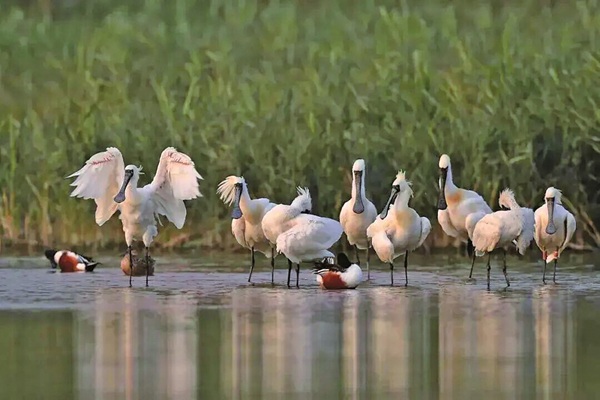
划清三条线,让湿地成为诗意之地
Zhong Guo Zi Ran Zi Yuan Bao· 2026-02-04 03:36
Core Viewpoint - The newly revised Wetland Protection Regulations in Zhejiang Province, effective from February 2, 2023, represent a significant overhaul of the previous regulations established in 2012, aiming to enhance wetland conservation and management in the region [3][5]. Summary by Sections Definition and Scope of Wetlands - The revised regulations provide a clear definition of wetlands, encompassing natural or artificial areas with significant ecological functions that are seasonally or permanently waterlogged, excluding rice fields and aquaculture areas [5]. - Thirteen types of wetlands are specifically listed for protection, including shallow sea areas, coastal mudflats, mangroves, rivers, lakes, reservoirs, ponds, ditches, inland mudflats, forest swamps, shrub swamps, marshes, and marsh grasslands [5]. Management and Responsibilities - The new regulations clarify management responsibilities, designating forestry departments as the lead agency and outlining specific duties for natural resources, water conservancy, and construction departments [8]. - A coordination mechanism is mandated for governments at the county level and above, ensuring effective management of wetlands [8]. Focus on Small and Coastal Wetlands - The regulations emphasize the protection of small wetlands, such as community ponds and rural water storage areas, encouraging their development into parks and educational bases [8]. - Strict controls are placed on coastal wetlands and mangroves, requiring ecological restoration measures for any approved coastal projects [8]. Balancing Protection and Utilization - The core philosophy of the regulations is to delineate boundaries for protection while allowing for sustainable use, promoting ecological benefits for the community [9]. Regulatory Framework - The regulations introduce a tiered management system with "red lines" for prohibited actions, "yellow lines" for controlled activities requiring strict approval, and "green lines" for encouraged activities that comply with protection standards [11]. - Six prohibited actions are explicitly listed, including land reclamation, unauthorized water diversion, and pollution [11]. Technological Integration - The regulations highlight the use of modern technology, such as artificial intelligence, for ecological monitoring and management, aiming for a more precise and efficient approach to wetland protection [13]. - A shared expert database is being established to support wetland conservation efforts across various fields [13]. Institutionalization of Success - The regulations aim to institutionalize the successful experiences of cities like Hangzhou and Wenzhou in wetland management, promoting the creation of more "International Wetland Cities" in Zhejiang [14].
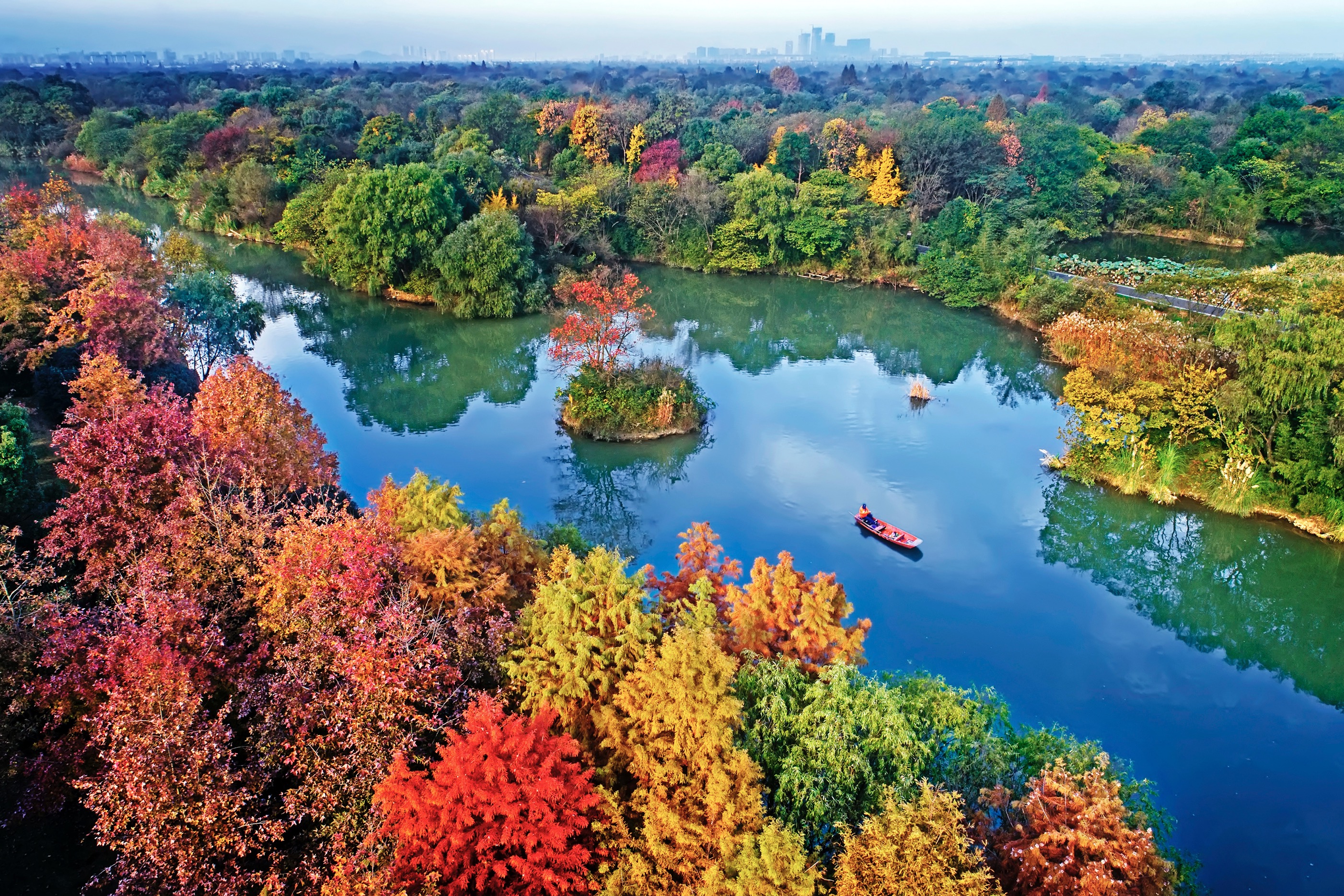
北京湿地面积达6.12万公顷
Xin Lang Cai Jing· 2026-02-04 03:04
Core Viewpoint - Beijing has established a comprehensive wetland protection system, achieving a wetland area of 61,200 hectares and a protection rate of 83.15%, which supports nearly 50% of plant species and 76% of wildlife species in the capital [1] Group 1: Wetland Area and Protection - The total wetland area in Beijing is 61,200 hectares, with a protection rate of 83.15% [1] - The wetland protection system is based on nature reserves, with wetland parks as the main component and nature reserve communities as a supplement [1] - The wetland area supports approximately 50% of the city's plant species and 76% of its wildlife species, contributing to biodiversity and ecological civilization [1] Group 2: Policies and Standards - During the 14th Five-Year Plan period, Beijing has strengthened wetland protection and restoration efforts, including the release of the "Micro Wetland Restoration Technical Regulations" [1] - The city has revised the construction norms and evaluation standards for wetland parks, increasing the number of local wetland standards to six [1] - A total of 47 wetlands have been included in the municipal wetland directory, covering over 27,000 hectares, which is 44% of the total wetland area [1] Group 3: Future Plans - In the 15th Five-Year Plan period, the focus will be on implementing wetland protection and development plans in accordance with relevant laws and regulations [1] - The city aims to prioritize the restoration of severely degraded ecological function areas and promote integrated ecological restoration [1] - There will be initiatives to encourage the construction and restoration of micro wetlands in urban communities [1]
陕西省2026年“世界湿地日”主题宣传活动启动
Xin Lang Cai Jing· 2026-02-03 10:29
Core Viewpoint - The event for the 2026 "World Wetlands Day" in Shaanxi aims to enhance public awareness of wetland ecological value and promote wetland conservation actions [1][2] Group 1: Event Details - The theme of the event is "Wetlands and Traditional Knowledge: A Tribute to Cultural Heritage" [1] - The event was launched in Weinan, with speeches from Liu Feixia, Deputy Director of the Shaanxi Forestry Bureau, and Li Jianqiang, Deputy Mayor of Weinan [1] - The Shaanxi Dali Chaoyi National Wetland Park, where the event took place, covers over 7,000 acres and supports 159 species of wildlife and 164 species of plants [1] Group 2: Conservation Efforts - Shaanxi has been actively promoting wetland protection and restoration, revising the "Shaanxi Wetland Protection Regulations" and implementing a comprehensive protection system [2] - The total wetland area in the province remains stable at over 4.6 million acres, with important wetlands accounting for 41% of the total wetland resources [2] - In 2025, Shaanxi plans to implement wetland protection and restoration over 200,000 acres, adding two new provincial-level important wetlands [2]
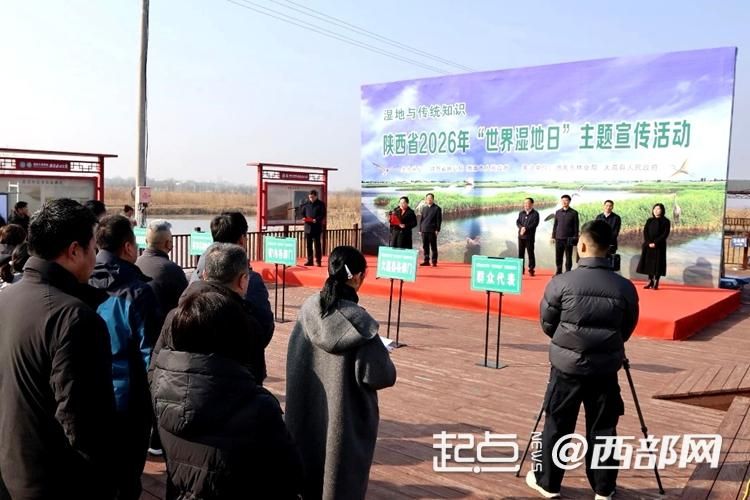
广东启动世界湿地日暨湿地保护宣传周活动
Nan Fang Ri Bao Wang Luo Ban· 2026-02-03 08:13
Core Viewpoint - The Guangdong Province is actively promoting wetland protection and restoration, particularly focusing on mangrove ecosystems, as part of its commitment to environmental sustainability and biodiversity conservation [1][2]. Group 1: Wetland Protection Initiatives - The Guangdong Province launched the 2026 World Wetlands Day and Wetland Protection Awareness Week in Shenzhen, showcasing typical cases of mangrove protection and restoration, along with a list of pilot projects for "Micro Wetland+" and "Wetland Park+" [1]. - Shenzhen has approximately 34,700 hectares of wetlands, with a wetland rate of 15.67%, including 296.18 hectares of mangroves [1]. - Guangdong is one of the richest provinces in China in terms of wetland resources, with over 1.82 million hectares of wetlands, including about 11,600 hectares of mangroves, ranking first in the country [1]. Group 2: Regulatory and Monitoring Framework - The Guangdong Forestry Bureau has been enhancing wetland protection regulations and monitoring key areas such as important wetlands, wetland parks, and mangroves [2]. - During the 14th Five-Year Plan period, the province added 2 international important wetlands, 1 national important wetland, and 68 provincial important wetlands [2]. - A comprehensive monitoring network for mangrove protection has been established, focusing on early detection and remediation of issues such as damage and mortality [2]. Group 3: Future Plans and Goals - The province aims to deepen the active transmission of traditional knowledge related to "people-water coexistence" in wetlands and strengthen compliance with international wetland conventions [2]. - Guangdong is committed to supporting the high-standard construction and operation of the International Mangrove Center and advancing the application for International Wetland City status [2]. - The goal is to create exemplary wetland ecosystems in Guangdong that can serve as innovative models for ecological restoration and collaborative governance worldwide [2].
北京湿地面积达6.12万公顷 湿地保护率83.15%
Ren Min Wang· 2026-02-03 06:42
Core Insights - Beijing has established a wetland protection system that includes nature reserves, wetland parks, and supplementary nature reserve communities, which supports nearly 50% of plant species and 76% of wildlife species in the capital [1][2] Group 1: Wetland Area and Protection Rate - As of now, Beijing's wetland area has reached 61,200 hectares, with a protection rate of 83.15% [1][3] - The classified wetland area includes various types such as shrub swamps, inland mudflats, forest swamps, marsh grasslands, and marshes [3] Group 2: Wetland Protection and Restoration Efforts - During the 14th Five-Year Plan period, Beijing adheres to principles of prioritizing protection, strict management, systematic governance, scientific restoration, and rational utilization [2] - The city has implemented a comprehensive ecological restoration strategy, focusing on natural recovery and combining it with artificial restoration [2][3] - Key projects include the restoration of the Yeyahu International Important Wetland and the Fangshan Changgou Spring National Wetland Park, promoting the "Wetland+" model to integrate wetlands with tourism and rural revitalization [2] Group 3: Future Plans and Regulations - The city plans to enhance wetland restoration, particularly in areas with severely degraded ecological functions, and promote the construction and restoration of micro-wetlands in urban communities [3] - The wetland classification management system will be improved, and efforts will be made to explore high-quality wetland ecological products, making wetlands accessible green spaces for the public [3]