智能化广告

Search documents
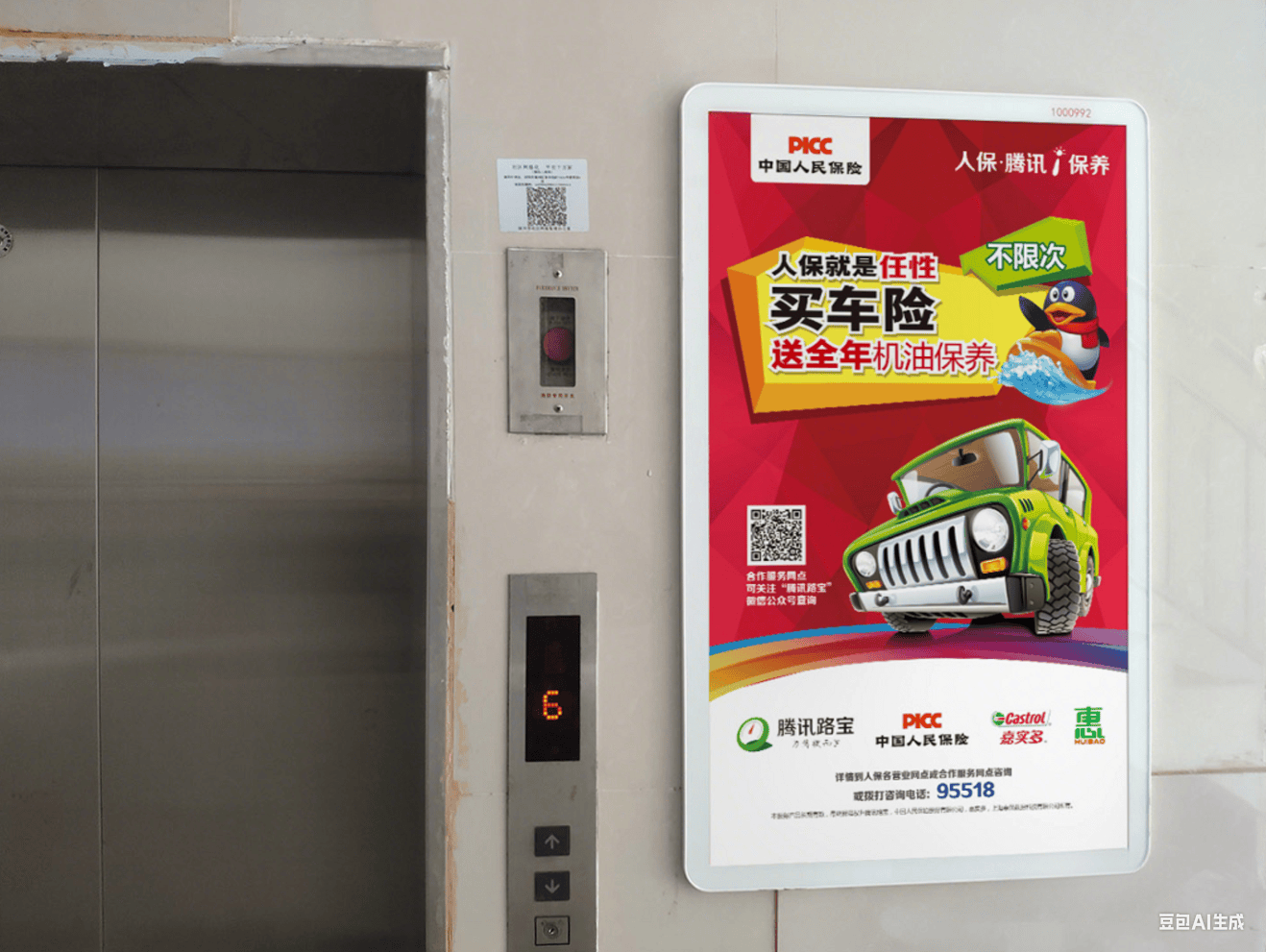
上海电梯里的广告一般要多少钱
Sou Hu Cai Jing· 2025-08-12 00:06
Market Overview - Elevator advertising is becoming an important medium in urban areas, particularly in Shanghai, where high foot traffic in elevators provides a significant market opportunity [1][2] - The advertising is primarily concentrated in high-end residential complexes, office buildings, and shopping malls, attracting numerous brands due to high exposure rates [2] Pricing Model - The pricing of elevator advertising is influenced by several factors, including location, type of advertisement, and duration of the campaign [3] - Prices for elevator advertising in Shanghai range from several thousand to tens of thousands of yuan per month [3] Cost Breakdown - Static poster advertising in high-end office buildings typically costs between 5,000 to 15,000 yuan per month, depending on location and floor [3] - LED screen advertising generally ranges from 10,000 to 30,000 yuan per month due to its higher engagement potential [3] - Combination advertising packages, which include both static and LED ads, usually cost between 15,000 to 50,000 yuan per month [3] Factors Affecting Advertising Effectiveness - The design and creativity of the advertisement significantly impact viewer attention, with well-designed ads more likely to engage audiences [5] - Target audience identification is crucial, as different buildings and communities have varying demographics [6] - Timing of the advertisement placement can also affect its effectiveness, with holidays and promotional periods likely to yield higher engagement [7] Advantages and Disadvantages - Advantages of elevator advertising include high exposure rates and the ability to capture attention quickly due to short waiting times [8][9] - Disadvantages include limited advertising time, which may not allow for in-depth brand storytelling, and a restricted audience reach confined to specific locations [9] Selection Process for Elevator Advertising - Businesses should determine their target audience and select appropriate advertising locations based on audience characteristics [11] - Choosing the right advertising format, whether static or dynamic, is essential based on budget and promotional needs [11] - High-quality content design that aligns with brand image is critical for attracting the target audience [11] Future Trends - The future of elevator advertising may include advancements in technology, such as smart advertising using big data and AI for precise targeting [12] - Increased interactivity through screens or QR codes may enhance viewer engagement [12] - A diversification of content formats, including short videos and real-time information, is expected to make advertisements more engaging [12]

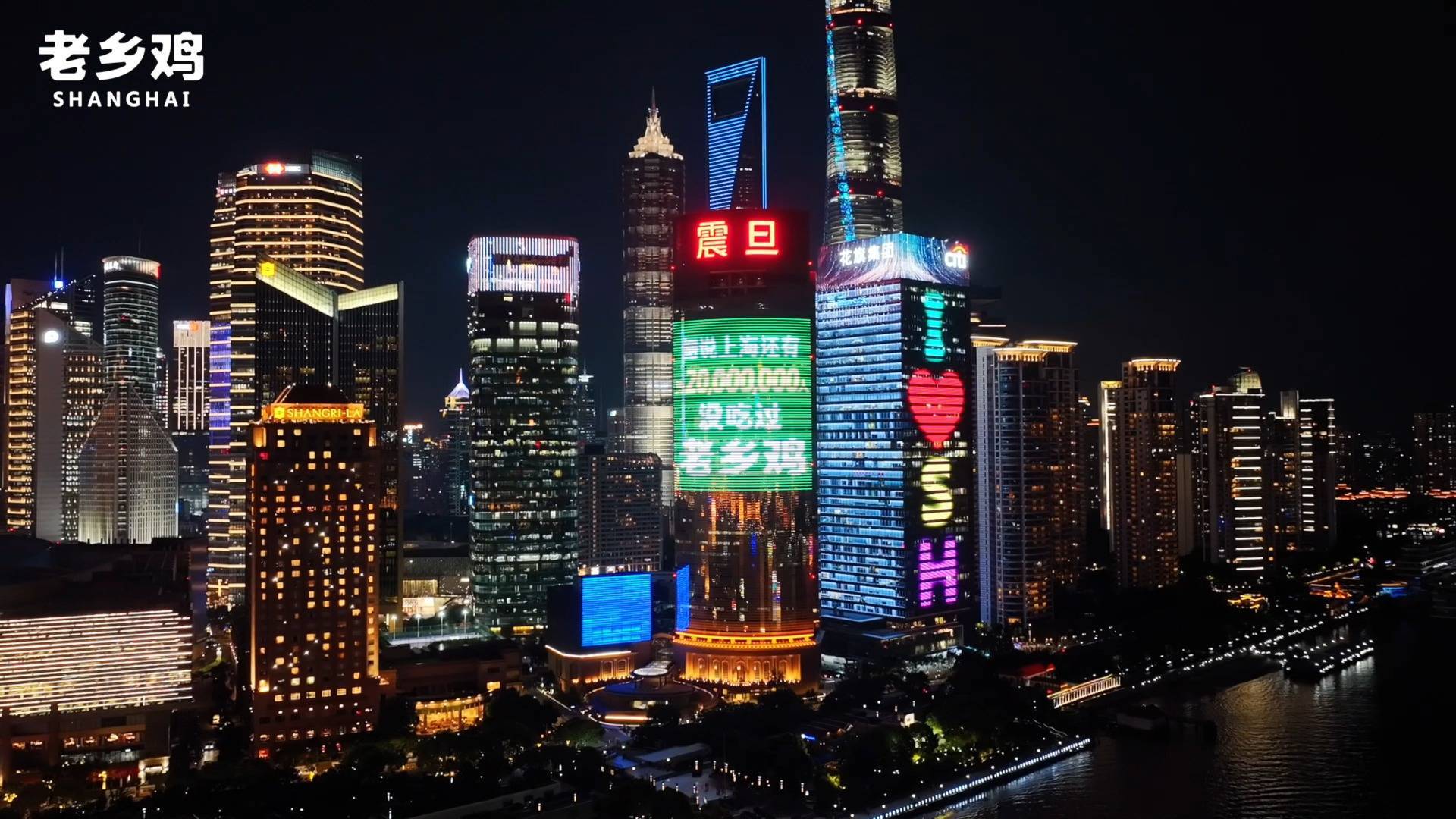
在上海震旦大厦打广告
Sou Hu Cai Jing· 2025-08-01 00:24
Core Viewpoint - Advertising at the Zhenduan Building in Shanghai presents both significant opportunities and challenges, necessitating a deeper understanding of these challenges and the exploration of viable solutions to enhance brand development. Group 1: Existing Challenges in Advertising - High advertising costs due to the building's prime location and high exposure rates, which can strain the marketing budgets of small and medium enterprises [2] - Restrictions and regulations on advertising content, including legality, visual coordination, and environmental requirements, limiting innovative advertising expressions [3] - Difficulty in accurately targeting diverse audiences, leading to varied advertising effectiveness despite the building's advantageous location [4] - Limitations in technology and innovation within traditional outdoor advertising formats, necessitating the integration of advanced technologies for richer advertising experiences [5] Group 2: Proposed Solutions - Implementing precise audience targeting and content optimization by analyzing target group characteristics and timing to enhance ad reach and memorability [6] - Utilizing digital technologies to enhance interactive experiences, such as smart screens and interactive projections, to engage audiences in real-time [7] - Integrating multi-channel strategies to amplify advertising effects by synchronizing online and offline promotions [8] - Emphasizing green and sustainable practices in advertising to align with urban development trends and enhance corporate social responsibility [9] Group 3: Future Development Outlook - The widespread application of intelligent advertising through IoT and big data, allowing for dynamic content adjustment and improved investment returns [11] - A focus on green and sustainable development in urban advertising, utilizing energy-efficient devices and materials [12] - The introduction of virtual reality (VR) and augmented reality (AR) technologies to create immersive advertising experiences [12] - The trend towards increased standardization and regulation in advertising practices to enhance quality and protect stakeholder interests [13][16] Summary - Advertising at the Zhenduan Building offers a blend of opportunities and challenges, with the potential for enhanced effectiveness through technology, content optimization, multi-channel integration, and a commitment to sustainability. The future of advertising in this vibrant city is poised for greater diversity and intelligence, driven by continuous exploration and innovation [17]