暴力起号

Search documents
卖惨、炫富、装罪犯……邪路“起号”必然见光死
Bei Jing Ri Bao Ke Hu Duan· 2025-11-08 10:14
Core Viewpoint - The recent incident involving the streamer "Lao Zhi Shu Dao San" imitating criminal Lao Rong Zhi has sparked public outrage, leading to the indefinite suspension of the account by the platform, highlighting the failure of sensationalism and curiosity-driven content creation [1] Group 1: Industry Trends - The phenomenon of "violent account creation" promotes the idea that success in gaining attention, regardless of morality, can lead to significant profits, thereby harming the overall creative ecosystem of the internet [2] - Content creators and MCN agencies are increasingly resorting to unethical practices, such as fabricating emotional narratives or showcasing extravagant lifestyles, to quickly monetize their content [1][2] Group 2: Regulatory Response - Regulatory bodies and platforms are actively addressing the trend of "violent account creation" through initiatives like the "Qinglang" series of special actions aimed at rectifying issues related to self-media chaos and malicious hype [3] - The rapid response from platforms to penalize violators demonstrates a commitment to maintaining a healthy online environment, with an increasing number of cases showcasing decisive action against rule-breaking streamers [3] Group 3: Public Awareness - There is a growing awareness among internet users regarding the tactics behind "toxic traffic," leading to improved reporting and complaint mechanisms that contribute to the purification of the online environment [3]
从“老阿姨考研”到“00后捡菜”,暴力起号还有多少套路
Xin Jing Bao· 2025-09-20 07:42
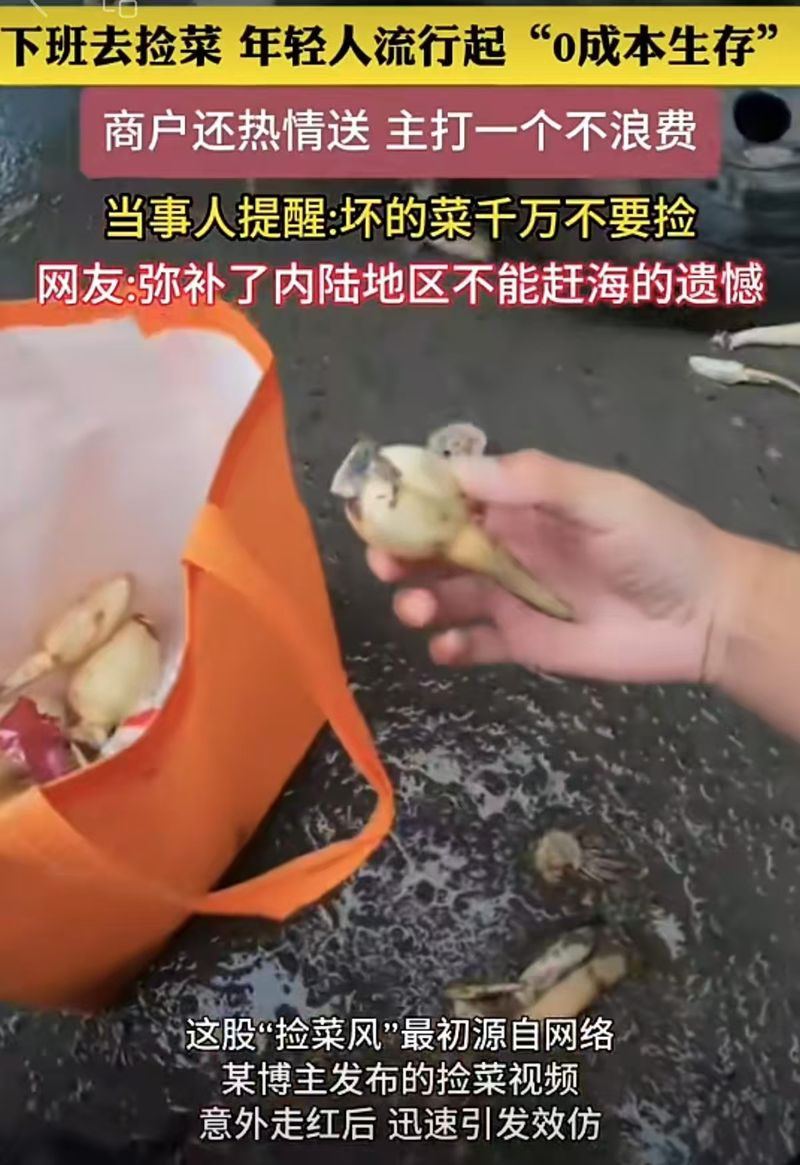
Core Viewpoint - The trend of young people collecting discarded vegetables at markets has gained popularity, reflecting a lifestyle choice that emphasizes frugality and resourcefulness, while also serving as a new method for content creators to attract attention and followers [3][4][11]. Group 1: Trend and Origin - The "vegetable collecting" trend originated from social media, particularly a viral video by a blogger that inspired many to replicate the activity [2]. - Young individuals are seen actively searching for discarded yet edible produce in markets, documenting their experiences on social media, which has resonated with a wide audience [3][4]. Group 2: Content Creation and Engagement - The act of collecting vegetables has been transformed into a content creation strategy, where creators leverage the theme of thriftiness to gain followers, reflecting a shift in the short video industry towards more relatable and "down-to-earth" content [4][11]. - This new form of content creation, while appearing to promote positive values, is criticized for being a superficial tactic to generate views and engagement, often lacking genuine authenticity [6][12]. Group 3: Industry Dynamics - The short video industry is experiencing a saturation of content, leading to a rise in "violent growth" tactics that prioritize quick follower accumulation over quality content [5][8]. - The current landscape shows a blend of genuine lifestyle content and staged performances, where the line between reality and fabrication is increasingly blurred, raising concerns about the integrity of content shared on social platforms [12]. Group 4: Future Implications - The trend of "returning to simplicity" in content creation may not be sustainable if it relies on deceptive practices, as audiences may eventually grow weary of inauthentic portrayals [11][12]. - For long-term success, content creators in the short video industry must focus on delivering valuable and meaningful content rather than resorting to gimmicks for quick attention [12].

虚假摆拍、挑动情绪、造谣牟利 “暴力”起号背后藏着怎样的“暴利算计”?
Yang Guang Wang· 2025-09-11 04:06
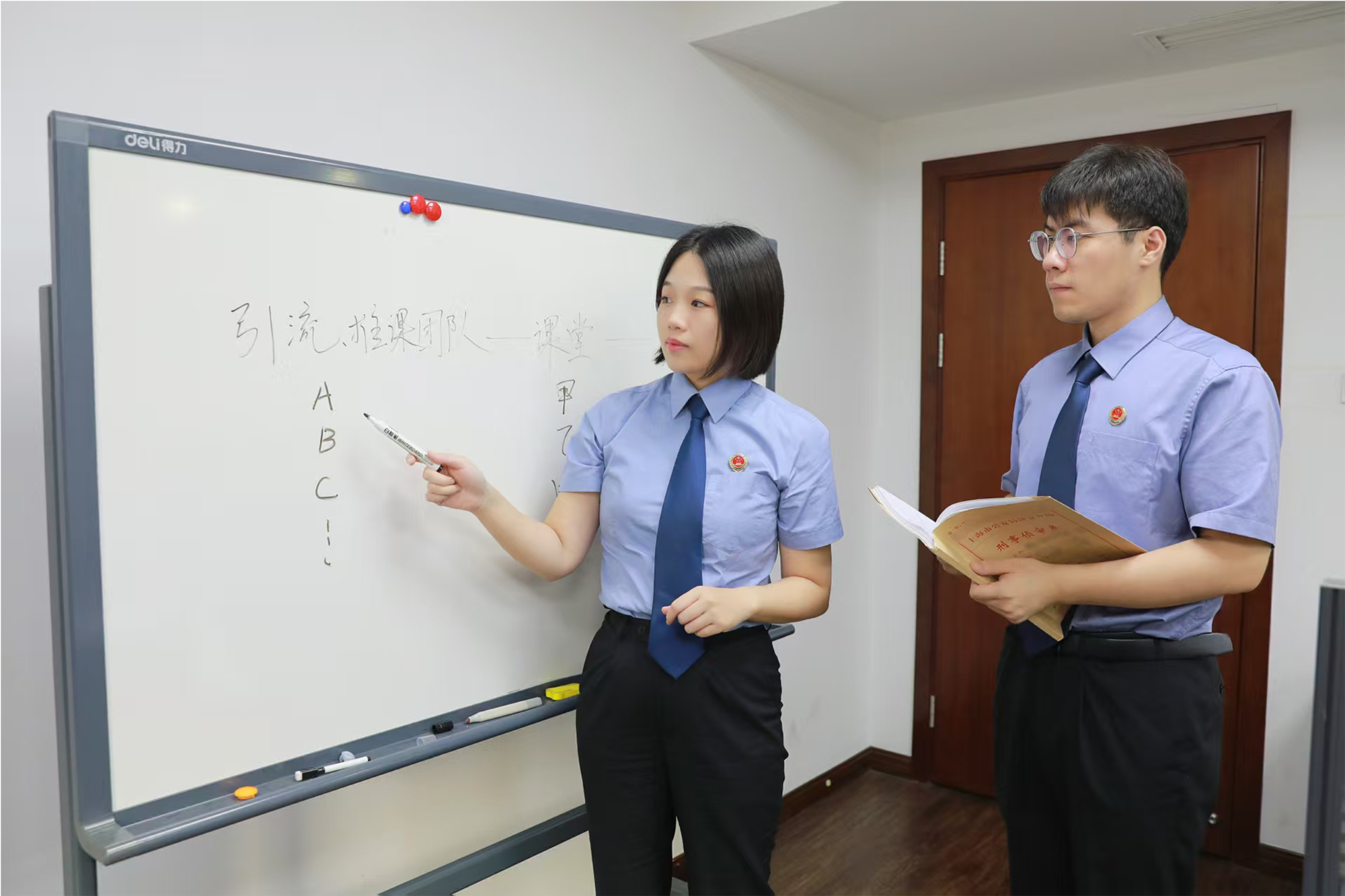
Core Viewpoint - The article discusses the rise of "violent" account creation methods among certain online influencers, which involve deceptive practices such as fake emotional appeals, rumor-mongering, and the use of AI-generated sensational content, ultimately harming the online ecosystem [1][2]. Group 1: Nature of "Violent" Account Creation - Certain influencers engage in "violent" account creation by fabricating stories of hardship, such as portraying themselves as delivery workers lamenting their struggles, to attract attention and generate views [1][2]. - The practice of fake emotional appeals and sensationalism is seen as a method to exploit public sentiment and create social anxiety, leading to significant negative impacts on the perception of laborers [2][3]. Group 2: Financial Motivations and Methods - The financial incentives behind "violent" account creation include low-cost, high-return strategies, where influencers monetize their accounts through selling courses or products once they gain sufficient traffic [2][3]. - Influencers often utilize a three-phase team structure: a "course promotion team," a "classroom team," and a "customer service team," to facilitate scams targeting individuals looking to monetize their social media presence [5][7]. Group 3: Regulatory and Preventive Measures - Experts suggest that platforms should implement stricter content review processes, especially for accounts experiencing rapid traffic increases, to prevent the spread of false information [10]. - There is a call for a collaborative regulatory framework involving government, businesses, and the public to effectively combat the "violent" account creation phenomenon and establish clear guidelines for content creators [10].