月饼质量标准

Search documents
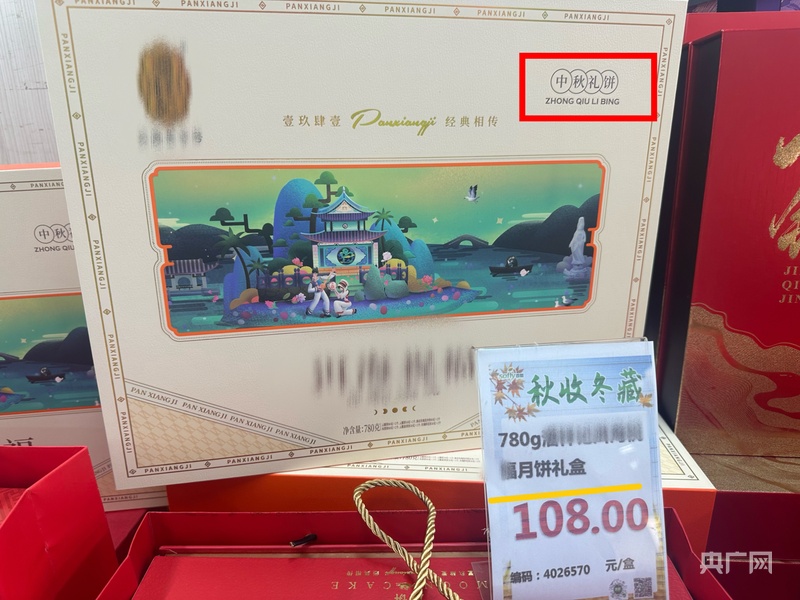
你买的月饼,是不是好月饼?这份选购指南请收好→
Yang Guang Wang· 2025-09-30 06:19
Core Viewpoint - The article discusses the confusion surrounding the classification of mooncakes and similar pastries, highlighting the differences in standards and regulations that affect consumer choices and perceptions of quality [1][4][8]. Group 1: Product Classification - The term "mooncake" is often misused, with products like "durian ice skin mooncake" containing less than 3% durian, raising questions about compliance with quality standards [1][17]. - Products labeled as "mid-autumn gift cakes" may not meet the traditional definition of mooncakes, as they are classified under different quality standards, specifically GB/T 20977 for pastries [2][4]. - Consumers often rely on visual appearance to determine if a product is a mooncake, but many products that look like mooncakes may not be classified as such due to the standards they adhere to [5][8]. Group 2: Quality Standards - The two main standards for mooncakes and pastries are GB/T 19855 (Mooncake Quality Standard) and GB/T 20977 (Pastry Quality Standard), with the former having stricter requirements for ingredients and quality [4][14]. - The GB/T 20977 standard does not apply to mooncakes, meaning products labeled under this standard cannot be marketed as mooncakes [4][14]. - The distinction between mooncakes and pastries is significant, as mooncakes are expected to have higher quality ingredients and specific formulations, such as a minimum of 25% durian for durian mooncakes under the mooncake standard [8][14]. Group 3: Consumer Awareness - Consumers are encouraged to check product labels for the applicable standards to ensure they are purchasing genuine mooncakes, particularly looking for the GB/T 19855 designation [17]. - The upcoming implementation of the GB7718-2025 standard will require clearer labeling of ingredients, which will help consumers make more informed choices regarding the quality and value of mooncakes [15][17]. - The current lack of stringent labeling requirements allows some manufacturers to mislead consumers about the quality of their products, emphasizing the need for greater transparency in the market [15][17].