服务区+乡村产业

Search documents
歇脚地变体验馆 高速服务区打开乡村产业发展新窗口
Shang Hai Zheng Quan Bao· 2026-02-26 17:59
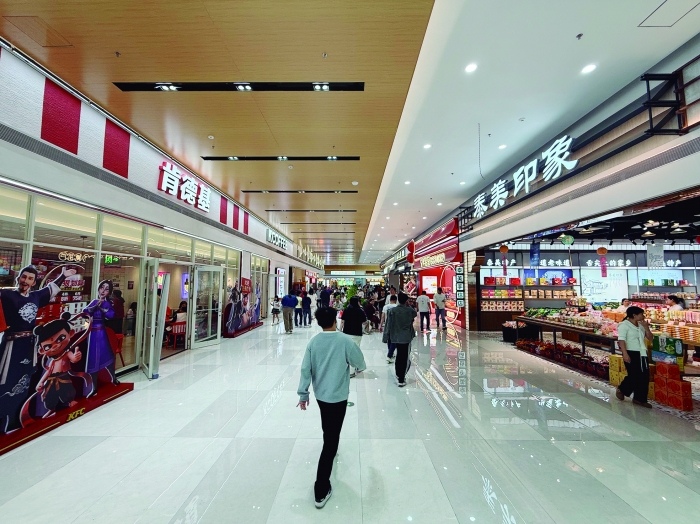
Core Insights - The article highlights the innovative integration of highway service areas with local agricultural industries, showcasing them as platforms for rural economic development and consumer engagement [2][4]. Group 1: Service Area Transformation - The Dragon Gate service area has transformed from a traditional rest stop into a vibrant space resembling a high-end shopping mall, featuring diverse dining options and a lively atmosphere [3]. - Local specialties, such as Hakka cuisine, are prominently featured, enhancing the service area's appeal and providing a unique dining experience for travelers [3][4]. - The service area has become a marketing platform for local agricultural products, effectively promoting regional flavors and supporting local farmers [4]. Group 2: Economic Impact - The "service area + agriculture" model leverages highway traffic to connect rural products with urban consumers, positioning service areas as critical points for agricultural sales [4]. - Guangdong Province has established numerous agricultural product stations and specialty stores within service areas, promoting nearly 5,000 types of local products across the highway network [4]. - The Dragon Gate service area has also created job opportunities for local residents, contributing to community development and retaining young talent in the area [5]. Group 3: Future Development Strategies - The article emphasizes the need for service areas to evolve from mere transit points to "third spaces" that foster community interaction and economic activity [6]. - Suggestions for enhancing the service area's value include creating unique consumer experiences and integrating local attractions and products into the service area offerings [6]. - The potential for digital systems to analyze consumer behavior and optimize service area operations is highlighted as a key factor for sustainable growth in the "road economy" [6].