服务贸易全球化

Search documents
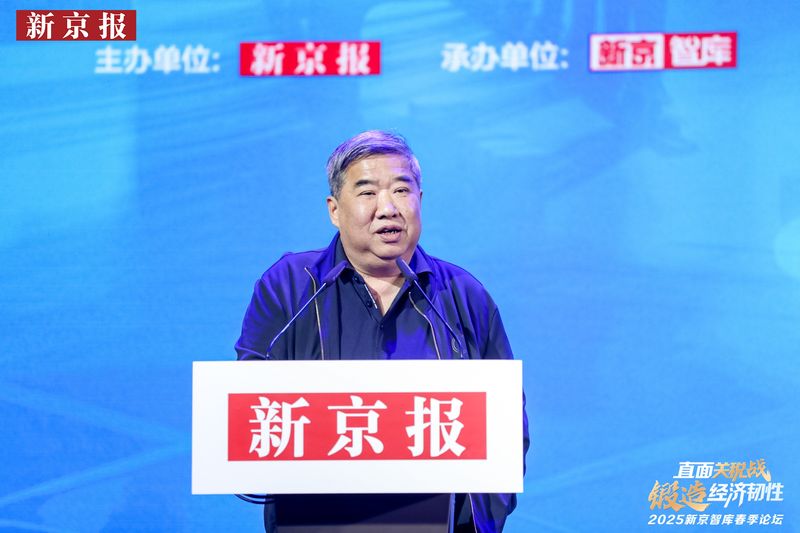
林桂军:关税高企之下,我们要大力发展服务贸易
Xin Jing Bao· 2025-04-23 06:58
Core Viewpoint - The forum discussed the impact of the tariff war and emphasized the need for economic resilience in the face of global trade challenges [2] Group 1: Tariff War and Its Implications - The tariff war is a result of long-standing tensions between the U.S. and its major trade partners, predating China's rise [2] - The tariff war is characterized as discriminatory and violates WTO principles regarding tariff locking and prohibiting unilateral discriminatory trade policies [3] Group 2: U.S. Objectives in the Tariff War - The U.S. aims to achieve four goals through the tariff policy: revitalize American manufacturing, reduce trade deficits, contain China, and resolve long-standing issues with allies [3] - The attempt to achieve multiple objectives with a single policy tool is seen as unrealistic and contradictory, particularly in the context of traditional economic theories [3] Group 3: Global Trade Trends - Manufacturing trade has slowed down significantly, while service trade, especially in modern services like telecommunications and information, is rapidly growing, reflecting the rise of digital trade [4] - China holds a dominant position in manufacturing globalization but lags in service trade globalization, indicating a need for improvement in this area [4] Group 4: Policy Recommendations - Policies should adhere to WTO principles, maintaining openness to counter risks and enhancing economic interdependence with other countries [5] - There is a recommendation to expand imports, particularly from the EU, and to establish a "major exporting country supply security coordination mechanism" for primary products [5] - Emphasis on extending value chains, rational layout, and developing vertical specialization is crucial for addressing trade challenges [5]