机器人创新公园

Search documents
涉及机器人新餐厅、高校足球赛等 经信局详解北京机器人创新公园建设
Bei Jing Shang Bao· 2026-01-25 04:25
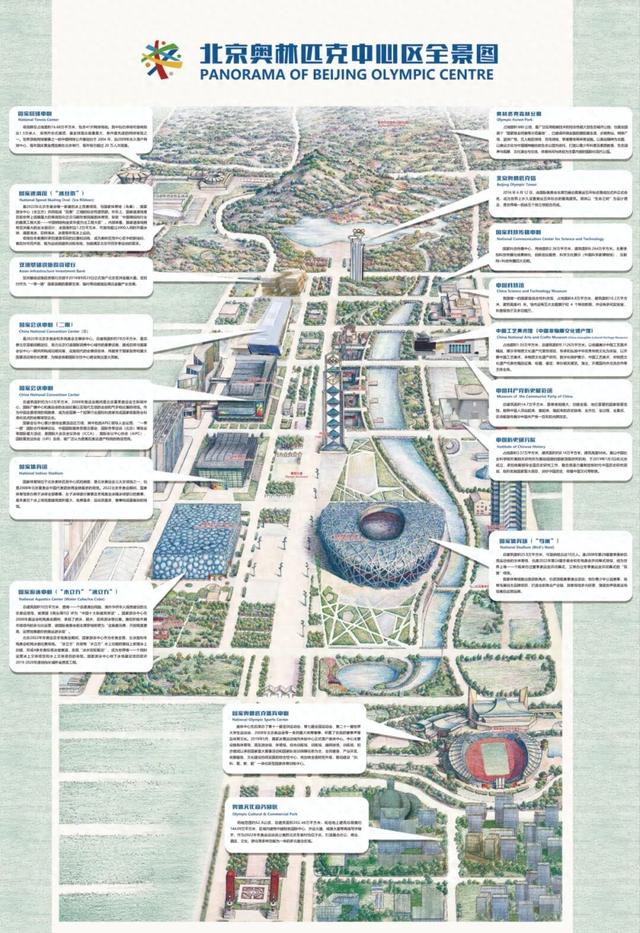
Core Viewpoint - Beijing is set to develop a Robot Innovation Park in the Olympic Center area from 2026 to 2030, aiming to enhance the humanoid robot industry and host various robot-related events, including a national college robot football league [3][4][5]. Group 1: Robot Innovation Park Development - The Robot Innovation Park will be a continuous improvement project aimed at developing the humanoid robot industry in Beijing, leveraging the success of the first World Humanoid Robot Games [4]. - The park will feature a robot restaurant in the Olympic Tower by July 2026, focusing on showcasing robots as a trendy attraction rather than just a traditional dining experience [4]. - The park will integrate various facilities, including shopping centers and national sports venues, to create a dynamic environment for robot services and events [4]. Group 2: Robot Events and Competitions - Beijing's robot event system is comprehensive, with existing events like the World Robot Games and the Beijing Yizhuang Humanoid Robot Half Marathon [5]. - A new national college robot football league will be introduced to engage students with robotics, with specific announcements expected soon [5]. - The humanoid robot industry in Beijing is projected to grow nearly 40% in 2025, with the city leading in the number of specialized "little giant" enterprises [5]. Group 3: Future Vision - By 2030, Beijing aims to host internationally influential events like the World Humanoid Robot Games regularly and create replicable robot application scenarios [5]. - The long-term goal for 2035 is to establish Beijing as a global hub for robot innovation and application, with leading application scenarios and self-controlled core technologies [6].



重磅!“鸟巢”周边将全面升级!打造世界级“双奥会客厅”
Bei Jing Ri Bao Ke Hu Duan· 2025-12-05 04:10
Core Viewpoint - The Beijing Olympic Center Area is set to undergo a comprehensive upgrade through the "Action Plan" (2025-2027), aiming to transform it into a modern, international hub for cultural exchange, sports, and tourism by 2030 [1][4][6]. Group 1: Development Plans - The "Action Plan" aims to enhance the Olympic Center's international communication and sports culture functions, creating a vibrant new area [3][4]. - The plan includes a detailed timeline, with the goal of establishing a new landmark for cultural and commercial integration by 2030 [6][10]. - The area will focus on a composite functional system, emphasizing a core axis and ecological corridors to enhance its cultural and recreational offerings [5][6]. Group 2: Infrastructure and Facilities - The Olympic Center boasts rich resources, including eight national and municipal cultural facilities, high-quality commercial spaces, and significant annual visitor traffic, with nearly 100 million tourists expected [4][12]. - The area will feature a variety of sports venues, including seven national-level sports facilities, hosting numerous high-level events annually [4][13]. - The plan includes the construction of a Robot Innovation Park, aiming to establish a global hub for robotics by 2035 [7][8]. Group 3: Economic and Cultural Integration - The plan emphasizes the integration of sports, culture, and commerce, aiming to create a new space for consumption and cultural exchange [10][13]. - It will introduce differentiated commercial nodes and enhance the overall consumer experience through innovative event planning and diverse offerings [11][12]. - The Olympic Center will also focus on expanding cultural and creative product supply, aiming to host over 100 large-scale events annually [16][17]. Group 4: Urban Renewal and Environmental Enhancements - The plan includes urban renewal initiatives to improve cultural functions and spatial quality, enhancing the ecological environment of the area [18][21]. - Key projects will focus on upgrading public service facilities and enhancing the area's infrastructure to support increased visitor capacity [21][22]. - The development will also explore multifunctional uses of underground spaces to optimize urban functionality [21].